
Explosions Rock Iranian Capital Amid US-Israel Attacks
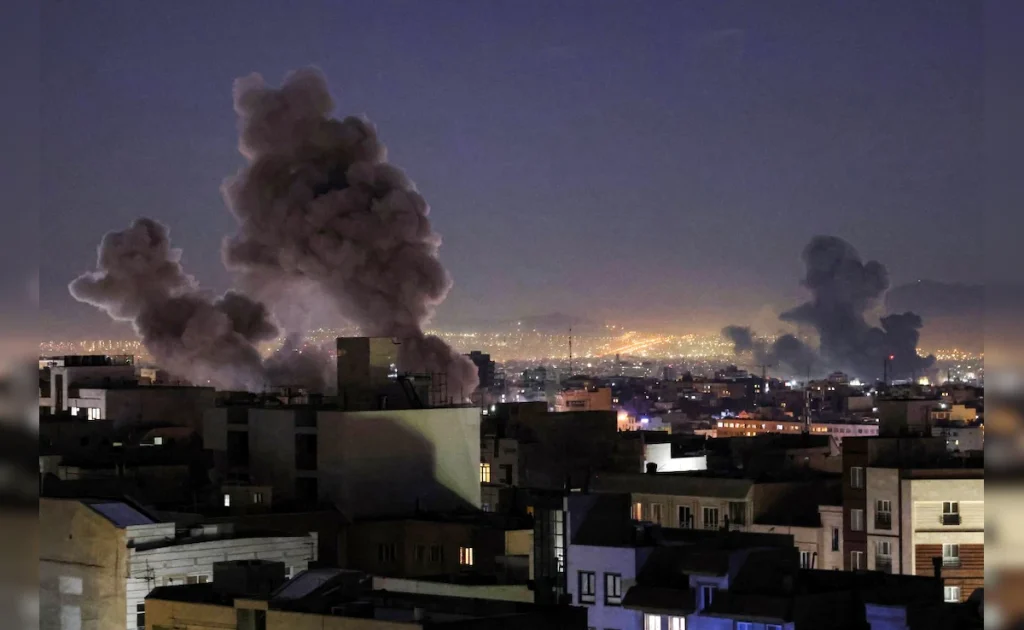
TEHRAN March 28 (Bernama-Anadolu) -- A series of explosions struck Iran’s capital early Saturday as the city came under United States (US) and Israeli attacks, Anadolu Ajansi (AA) reported. Severe explosions were reported in the northeastern areas of the city. Flashes were seen lighting up the sky, while smoke was observed rising from affected areas. Iran’s air defence systems were activated following the attacks. Iranian media also reported brief power outages in some parts of the city. Hostilities in the region have escalated since the US and Israel launched a joint offensive against Iran on Feb 28. Tehran has retaliated with waves of drone and missile strikes targeting Israel, Jordan, Iraq and Gulf countries hosting US military assets, inflicting casualties and infrastructure damage, while disrupting global markets and aviation. -- BERNAMA-ANADOLU

TEHRAN — A series of explosions struck Iran’s capital early Saturday as the city came under United States (US) and Israeli attacks, Anadolu Ajansi (AA) reported. Severe explosions were reported in the northeastern areas of the city. Flashes were seen lighting up the sky, while smoke was observed rising from affected areas. Iran’s air defence […]

PM Anwar Concludes Jakarta Visit After Meeting With Prabowo
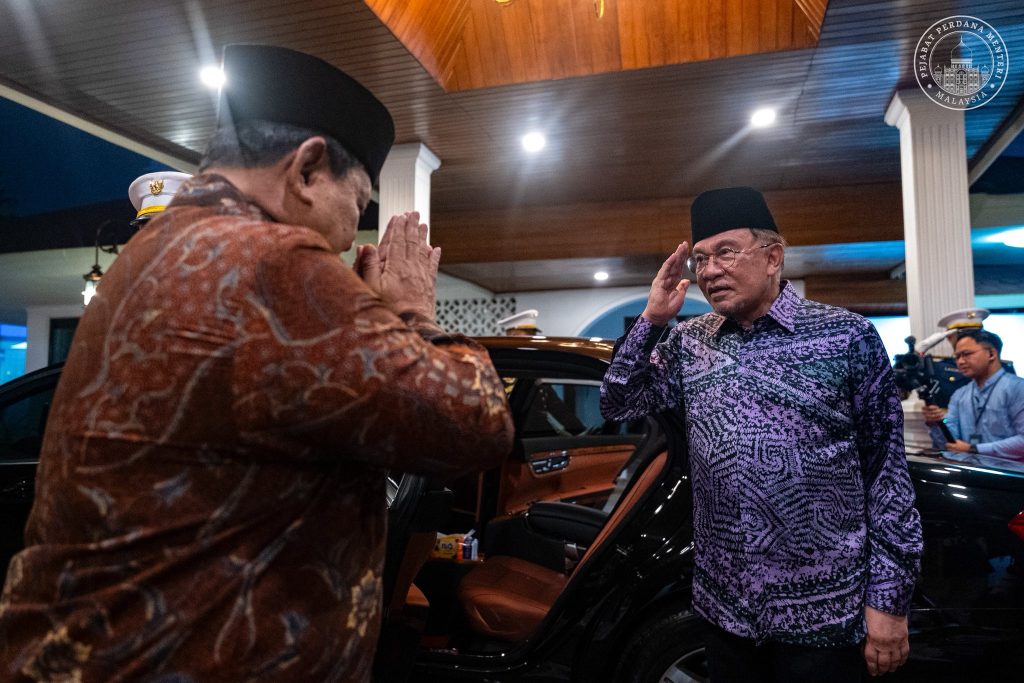
JAKARTA, March 27 — Anwar Ibrahim wrapped up a one-day working visit to Jakarta after holding talks with Indonesian President Prabowo Subianto at the Istana Merdeka. The meeting, which began at 4.30 pm local time, took place amid rising geopolitical tensions in West Asia. After the discussions, Prabowo personally accompanied Anwar to Halim Perdanakusuma Airport in a gesture reflecting the close ties between the two nations. Anwar departed Jakarta at about 7.15 pm, concluding his first visit to the Indonesian capital this year. The trip was made at Prabowo’s invitation following a phone conversation between the two leaders on March 23. Both leaders have maintained active engagement, having held five high-level meetings last year, including the 13th Malaysia-Indonesia Annual Consultation held in Jakarta on July 28. In a statement after the meeting, Anwar said Malaysia and Indonesia agreed to step up diplomatic efforts to ease tensions in West Asia, prioritise the protection of civilians, and create room for negotiations aimed at achieving a lasting peace. Amid ongoing global uncertainty, both countries also underscored the importance of strengthening regional unity to maintain peace, stability, and economic resilience. During the nearly two-hour discussion, the leaders highlighted the need to ensure global supply chains and key trade routes, particularly the Strait of Hormuz, remain secure and uninterrupted. -- PHOTO: FB Anwar Ibrahim

JAKARTA, March 27 — Anwar Ibrahim wrapped up a one-day working visit to Jakarta after holding talks with Indonesian President Prabowo Subianto at the Istana Merdeka. The meeting, which began at 4.30 pm local time, took place amid rising geopolitical tensions in West Asia. After the discussions, Prabowo personally accompanied Anwar to Halim Perdanakusuma Airport […]

Rising Oil Prices Expected to Boost EV Adoption in Malaysia, Says CIMB Securities
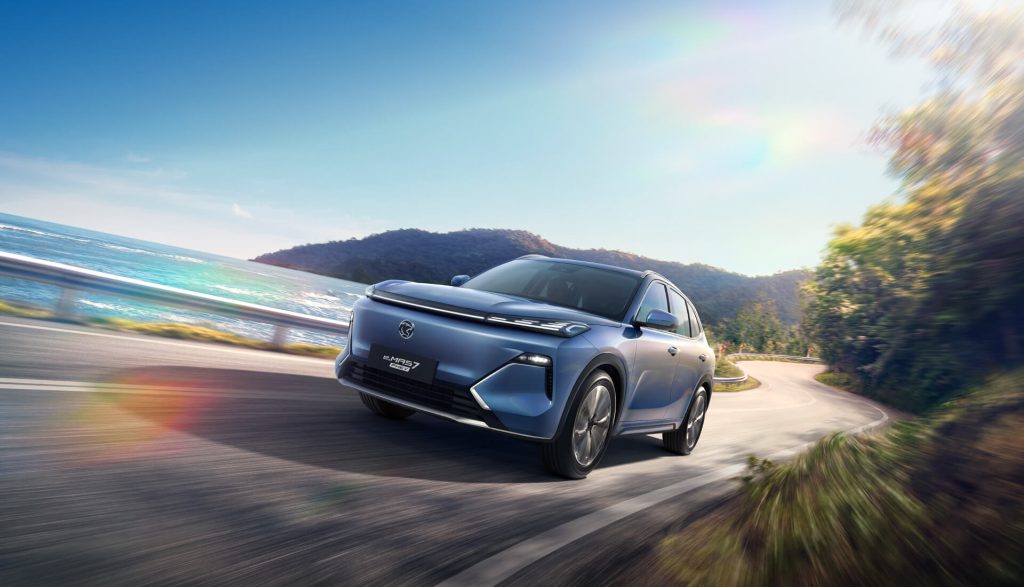
KUALA LUMPUR: Malaysia’s transition towards electric vehicles (EVs) is likely to gain momentum בעקבות rising global crude oil prices, particularly among buyers in the premium internal combustion engine (ICE) segment, according to CIMB Securities Sdn Bhd. In a research note released today, the firm projected that EV adoption across the country will accelerate in 2026, driven in part by the anticipated launch of the Proton e.MAS 5. Continued tax incentives for locally assembled (CKD) EVs are also expected to support this growth. At the same time, CIMB Securities noted that the recent temporary adjustment to the BUDI95 fuel quota is unlikely to significantly impact the mass market segment. This is because most national car models are designed with smaller engines and are more fuel-efficient. Based on estimates from the Malaysian Road Safety Research Institute, private vehicles in Malaysia average about 28,000 kilometres annually. Looking at the country’s top-selling models in 2025—Perodua Bezza, Axia, Myvi, Alza, and Proton Saga—the firm estimates yearly fuel consumption to range between 1,100 and 1,500 litres. Even when accounting for higher usage, CIMB Securities said the revised BUDI95 quota still provides sufficient capacity for most drivers. Prime Minister Datuk Seri Anwar Ibrahim recently announced that the monthly individual limit for BUDI95 fuel purchases will be temporarily reduced from 300 litres to 200 litres starting April 1, citing ongoing geopolitical tensions in West Asia. He added that the adjustment is expected to have minimal impact on the public, as average monthly fuel consumption is حوالي 100 litres, with nearly 90 percent of consumers using less than 200 litres per month.

KUALA LUMPUR — Malaysia’s transition towards electric vehicles (EVs) is likely to gain momentum rising global crude oil prices, particularly among buyers in the premium internal combustion engine (ICE) segment, according to CIMB Securities Sdn Bhd. In a research note released today, the firm projected that EV adoption across the country will accelerate in 2026, […]

MOH Revives MRI Outsourcing Programme at HKL to Cut Waiting Times
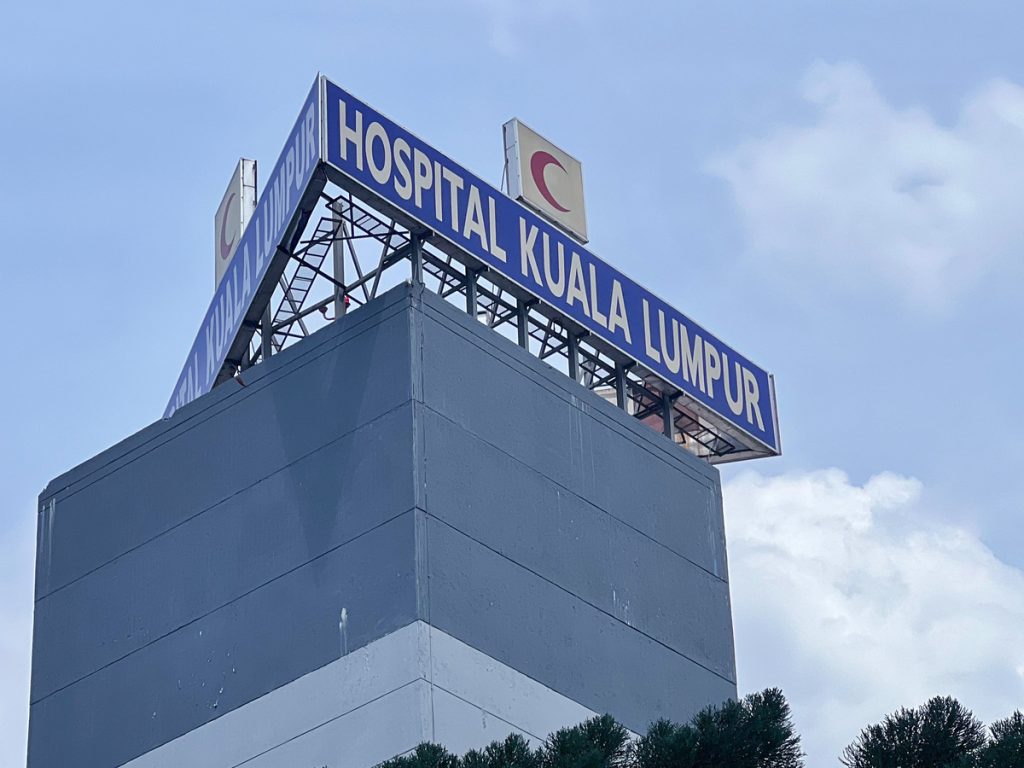
KUALA LUMPUR -- The Ministry of Health (MOH) has reinstated the Hospital Services Outsourcing Programme (HSOP) at Hospital Kuala Lumpur (HKL) in a move to ease congestion and shorten waiting times for patients საჭიროing Magnetic Resonance Imaging (MRI) scans. In a statement issued on Friday, HKL said the initiative had already proven effective, reducing MRI waiting times by 33 percent in 2025—from 24 weeks to 16 weeks. The hospital also reported strong efficiency in slot usage, with 96.8 percent of allocated MRI appointments utilised last year, equivalent to 365 out of 377 slots. To further address patient demand, HKL has requested 640 slots for this year—an increase of 70 percent—aimed at cutting down the waiting list more significantly. The programme officially resumed last Wednesday following the approval of new funding on March 19. Currently, HKL’s Radiology Department operates two MRI machines located in the Main Block, with an optimal daily capacity of 24 to 28 cases depending on patient condition and scan complexity. However, the hospital has been handling up to 36 cases per day to prioritise urgent and critical cases. HKL reaffirmed that both the hospital and the MOH remain committed to maintaining efficient healthcare delivery and upholding high medical standards. The move comes after earlier reports highlighted limitations in MRI services at HKL, which had led to some patients being referred to private hospitals for scans. --Minutes MY / Igneseous Noris

KUALA LUMPUR: The Ministry of Health (MOH) has reinstated the Hospital Services Outsourcing Programme (HSOP) at Hospital Kuala Lumpur (HKL) to address congestion and long waiting times for Magnetic Resonance Imaging (MRI) scans. In a statement issued Friday, HKL said the programme had previously delivered significant improvements, cutting patient waiting times by 33 percent in […]

ASEAN Fuel Prices Rise Amid Global Oil Surge, Highlighting Policy Gaps Across Region
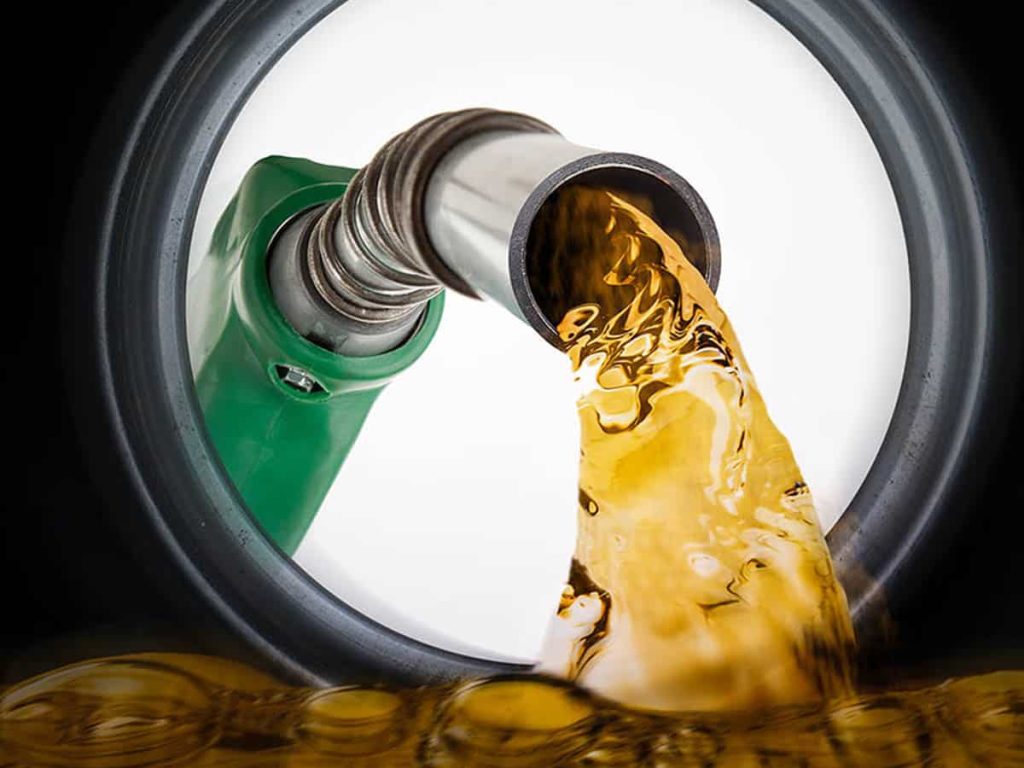
KUALA LUMPUR: Fuel prices across Southeast Asia are trending upward as global crude oil costs climb, exposing stark differences in pricing systems among ASEAN nations. The divergence reflects varying subsidy policies, tax regimes, and levels of exposure to international energy markets. The increase comes against a backdrop of heightened geopolitical tensions in West Asia, which have disrupted supply chains and pushed benchmark crude prices beyond US$100 per barrel. Key shipping routes, particularly the Strait of Hormuz, have also been affected, adding further strain to global energy flows. These developments are placing pressure on domestic fuel pricing mechanisms across the region, revealing a widening gap between countries that rely heavily on subsidies and those that allow prices to fluctuate with global markets. Malaysia continues to maintain some of the lowest fuel prices in ASEAN due to sustained government subsidies. RON95 petrol remains capped at RM1.99 per litre, shielding consumers from international price volatility. Recently, Prime Minister Datuk Seri Anwar Ibrahim announced a temporary revision to the Budi MADANI RON95 (BUDI95) programme, reducing the monthly quota from 300 litres to 200 litres effective April 1. Despite this adjustment, the subsidised price will remain unchanged. In Indonesia, subsidised fuel prices range between IDR12,000 and IDR12,390 (RM2.91–RM2.93) per litre, reflecting continued reliance on government support. However, analysts caution that prolonged high global prices could strain public finances. Singapore, on the other hand, continues to record the highest petrol prices in the region at approximately S$3.42 (RM10.64) per litre. This is largely due to high taxation and policies designed to limit private vehicle ownership. Authorities there have indicated that fuel supplies remain stable for now, though the situation is being closely monitored. Meanwhile, Thailand, Vietnam, and the Philippines fall within a mid-range pricing group, with rates more closely aligned to global benchmarks. Thailand recently saw fuel prices rise following a reduction in subsidies, while Vietnam manages prices through periodic government reviews to reduce volatility. In the Philippines, a fully deregulated fuel market results in weekly price adjustments, leaving consumers more directly affected by global price movements. Cambodia and Laos are among the most vulnerable, with petrol prices exceeding US$1.10 (RM4.41) per litre due to heavy reliance on imported refined fuel. Limited domestic refining capacity makes both countries particularly sensitive to supply disruptions and currency fluctuations. In Cambodia, fuel costs have surged sharply in recent weeks. Diesel prices have jumped by more than 80 percent since late February, reaching 7,100 riel (RM7.10) per litre, up from 3,750 riel (RM3.80). Regular gasoline has also risen significantly to 5,450 riel (RM5.50) per litre. Liquefied petroleum gas is currently priced at 3,200 riel (RM3.20) per litre, according to official data. As global uncertainties persist, ASEAN governments are expected to face increasing scrutiny over their fuel pricing strategies, particularly in balancing fiscal sustainability with the need to cushion consumers from rising living costs. -- Minutes MY / Igneseous Noris

KUALA LUMPUR: Fuel prices across Southeast Asia are trending upward as global crude oil costs climb, exposing stark differences in pricing systems among ASEAN nations. The divergence reflects varying subsidy policies, tax regimes, and levels of exposure to international energy markets. The increase comes against a backdrop of heightened geopolitical tensions in West Asia, which […]