Category :

As IT Infrastructure Costs Rise, LCRServix Brings Lenovo Certified Refurbished Servers to Hong Kong Businesses

HONG KONG, June 15, — Walk into almost any SME in Kwun Tong or Sham Shui Po and ask the owner what keeps them up at night. Rent, yes. Talent, .... read more

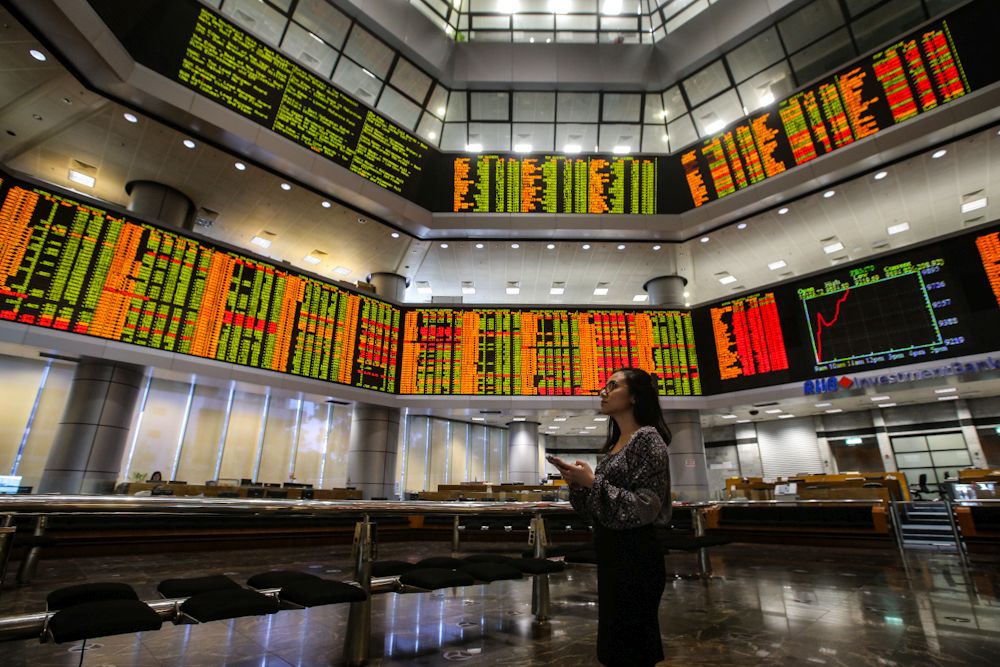
KUALA LUMPUR, JUNE 15 -- The ringgit continued its upward momentum by opening higher on Monday against the US dollar and other major currencies, supported by improved risk sentiment following signs of easing geopolitical tensions. At 8am, the local currency rose to 4.0430/0500 against the US dollar from 4.0555/0600 at the close last Friday. Bank Muamalat Malaysia Bhd Chief Economist Dr Mohd Afzanizam Abdul Rashid said news of the possibility of the Strait of Hormuz being reopened following the agreement between the United States and Iran on a peace deal scheduled to be signed on June 19 had boosted market sentiment. “WTI and Brent crude oil prices have fallen by more than four percent, with Brent crude now trading at US$83.83 per barrel. "In my view, the ringgit is heading towards RM4.00 against the US dollar. It may not be at that level immediately but being below RM4.00 is in line with the fair value of the ringgit based on the current macroeconomic conditions and the resilience of Malaysia's economic growth," he told Bernama. In the opening session, the local currency strengthened against a basket of major currencies. The ringgit rose against the Japanese yen to 2.5275/5320 from 2.5334/5364 at last Friday's close, rose against the pound to 5.4374/4468 from 5.4429/4489 and gained against the euro to 4.6911/6992 from 4.6979/7031 previously. The local currency also strengthened against regional currencies. The ringgit rose against the Singapore dollar to 3.1554/1611 from 3.1602/1640 last Friday and surged against the Thai baht to 12.4015/4298 from 12.4105/4288 previously. The local currency also rose against the Indonesian rupiah to 226.3/226.8 from 227.0/227.4 and increased against the Philippine peso to 6.65/6.66 from 6.67/6.68 previously. -- BERNAMA

Ringgit opens higher on better market sentiment

KUALA LUMPUR, JUNE 15 — The ringgit continued its upward momentum by opening higher on Monday against the US dollar and other major currencies, supported by improved risk sentiment following .... read more

NEW YORK: The World Bank lowered its global growth forecast to 2.5 percent for 2026 on Thursday, from 2.9 percent in 2025, marking the lowest rate since late 2019, Xinhua News Agency reported. The bank's semi-annual Global Economic Prospects report cited rising energy prices, higher inflation and rising borrowing costs amid the West Asian conflict as reasons for the reduction in growth projections. The report also warned that downside risks are significant. Global growth could further moderate to 2.1 percent if energy supply disruptions persist and oil prices average US$115 a barrel this year, which would push inflation to 4.4 percent. The report lowered growth forecasts for two-thirds of countries compared to the January report this year, with Gulf countries recording the largest reduction from 3.9 percent in 2025 to almost zero in 2026. South Asia is expected to record the strongest growth of any region at 6.3 percent in 2026, although that figure is down from seven percent in 2025. In addition, the report maintained a growth forecast of 2.2 percent for the United States (US) economy in 2026, although it noted that the figure could decline to 2.1 percent in 2027 and two percent in 2028. The eurozone economy is expected to grow at a rate of 0.8 percent in 2026, down from 1.4 percent in 2025. As for Japan's Gross Domestic Product (GDP), it is projected to grow by 0.7 percent in 2026 compared to 1.1 percent in 2025. The World Bank expects global growth to rebound to 2.8 percent in 2027, but that rate remains 0.4 percentage points below the average recorded in the 2010s. While risks remain tilted to the downside due to increased hostilities, commodity market disruptions and heightened geopolitical tensions, the bank stressed that policy action is critical. At the global level, the World Bank urged countries to protect energy and food security and advance the energy transition. At the domestic level, all countries were urged to control inflation, strengthen fiscal sustainability and support job creation. --BERNAMA-XINHUA

World Bank lowers 2026 global growth forecast to 2.5 percent

NEW YORK: The World Bank lowered its global growth forecast to 2.5 percent for 2026 on Thursday, from 2.9 percent in 2025, marking the lowest rate since late 2019, Xinhua .... read more

SINGAPORE, June 12, -- For years, loyalty programmes across banking, credit card, and financial institutions have been built around a familiar formula: collect points, unlock perks, repeat. But across Asia-Pacific, consumers are beginning to expect something different. According to the APAC Loyalty Index released by Dragonpass, the region's loyalty economy is rapidly shifting away from transactional rewards toward lifestyle relevance, emotional trust, and everyday utility. The study, which surveyed consumers across Southeast Asia and China, found that while "trust" remains the foundational driver of brand loyalty, consumers increasingly demand value that feels immediate and personalised. The results highlight growing fatigue with traditional loyalty mechanics in the region. While 80% of respondents stay loyal to their bank because it is the most secure option for their money, 28% say their loyalty rewards simply do not match their lifestyle — and a striking 53% of high-income earners find their current loyalty rewards are misaligned with their actual needs. Travel and Digital Concierge as the New Loyalty Levers The Index highlights that travel remains the most powerful tool for customer retention. Younger consumers and affluent segments demonstrated a strong preference for integrated digital concierge services, premium travel experiences, and personalised lifestyle benefits. This highlights the convergence of financial services and lifestyle ecosystems across APAC markets.    "The traditional loyalty model was designed around transactions, but consumers today demand something far more intuitive and integrated into their lifestyle," said John Su, Group CGO & APAC CEO of Dragonpass. "They expect their banks or financial providers to play an active role in their everyday lives. This is exactly where we have invested heavily, not only in spanning our global travel, dining, and premium lifestyle services, but in the technology that is designed precisely to close this gap, helping financial institutions deliver relevant, real-time value at every stage of the customer lifecycle." For banks, fintechs, and payment brands, the implications are significant. As competition intensifies and switching barriers continue to fall, loyalty is increasingly becoming a strategic growth lever rather than a marketing add-on. The brands most likely to retain high-value customers may ultimately be those that can turn loyalty from a points programme into a seamless part of consumers' lifestyles.    About Dragonpass Dragonpass is a global travel and lifestyle platform delivering premium travel and lifestyle experiences to 40+ million members worldwide. Media Contact Email: brandmarketing@dragonpass.com Website: www.dragonpass.com -- PRNewswire -- Source: Dragonpass  

Dragonpass APAC Loyalty Index: 53% of High-Income Consumers Say Bank Rewards No Longer Match Their Lifestyle Needs

SINGAPORE, June 12, — For years, loyalty programmes across banking, credit card, and financial institutions have been built around a familiar formula: collect points, unlock perks, repeat. But across Asia-Pacific, .... read more

HO CHI MINH CITY, Vietnam, June 12 -- The Guangzhou Arbitration Commission (GZAC) has officially opened the Vietnam Liaison Office of the Guangzhou International Arbitration Court in Ho Chi Minh City, marking a new step in strengthening China–Vietnam arbitration cooperation and supporting businesses engaged in cross-border commerce and investment. The launch comes as economic ties between China and Vietnam continue to deepen. Bilateral trade exceeded US$250 billion in 2025, with Vietnam remaining China's largest trading partner within ASEAN. Under the Belt and Road Initiative, cooperation between the two countries has expanded across sectors including renewable energy, digital economy, infrastructure and cross-border investment. As commercial exchanges increase, so does demand for efficient, predictable and enforceable dispute resolution services. The Vietnam Liaison Office is designed to respond to this growing need by providing businesses with easier access to arbitration-related information, procedural guidance and dispute resolution support. Speaking at the opening ceremony, Mark Feldman, President of the Guangzhou International Arbitration Court, said the office reflects GZAC's commitment to providing arbitration services closer to users and supporting the evolving needs of companies operating across borders. Located in Ho Chi Minh City, the office will serve as a regional platform for Chinese and Vietnamese businesses seeking professional dispute resolution services. It will draw on GZAC's experience in international arbitration, digital dispute resolution and cross-border case administration. GZAC has continued to expand its international presence in recent years. In 2025, it handled 877 foreign-related cases with a total disputed amount exceeding US$1.8 billion. Parties came from 22 countries and regions, while the institution has served users from 67 jurisdictions worldwide. Nearly 40 percent of the members of its current arbitration committee are foreign nationals or professionals from Hong Kong and Macao, representing six jurisdictions. GZAC is also a pioneer in digital dispute resolution. As one of the first official global partners of the APEC Collaborative Framework for Online Dispute Resolution (APEC-ODR), it operates an online dispute resolution platform that integrates negotiation, mediation and arbitration services. The platform supports real-time translation in eight languages and has handled more than 1,000 cases involving claims exceeding RMB10 billion. Through its Vietnam Liaison Office, GZAC plans to deepen engagement with arbitration institutions and legal service providers across Vietnam and ASEAN, contributing to a more efficient environment for cross-border trade and investment. -- PRNewswire -- Source: Guangzhou Arbitration Commission (GZAC)

Guangzhou International Arbitration Court Opens Vietnam Liaison Office to Support China-Vietnam Cross-Border Dispute Resolution

HO CHI MINH CITY, Vietnam, June 12 — The Guangzhou Arbitration Commission (GZAC) has officially opened the Vietnam Liaison Office of the Guangzhou International Arbitration Court in Ho Chi Minh .... read more

SINGAPORE, June 10 -- Singapore Post Limited (SingPost) today unveiled a S$30 million automated parcel sortation facility at its Regional eCommerce Logistics Hub, alongside the nationwide rollout of its neighbourhood-based service, SingPost@MyBlock.      The launch was attended by Mrs Josephine Teo, Minister for Digital Development and Information. Both initiatives represent the first major milestones following the Group's Strategy Update announced in May 2026, demonstrating SingPost's commitment to strengthen core fundamentals, build scalable capabilities, and capture new growth opportunities.      Tripling Processing Capacity to Drive Network Efficiency The investment in two new automated machines - a 3D Sorter and an Intelligent Flexi Sorter (IFS) - was first announced in March 2025. The completion of the construction of these new systems will triple SingPost's small and medium parcel processing capacity from 100,000 to 300,000 parcels per day. When combined with existing large-parcel operations, total daily throughput capacity at the Regional eCommerce Logistics Hub now stands at 400,000 parcels a day. This upgrade solidifies SingPost's position as Singapore's most robust parcel delivery network. This automated infrastructure significantly boosts operational productivity, ensuring that seasonal spikes such as 11.11 and Black Friday are handled with greater speed and efficiency while seamlessly scaling to meet demand.     Consolidated Operations at Tampines Regional eCommerce Logistics Hub Previously, SingPost sorted parcels across two geographically separated facilities based on size: smaller items were handled at SingPost Centre in Paya Lebar, while larger packages were processed at the Regional eCommerce Logistics Hub in Tampines. This dual-site workflow required continuous cross-island trucking, which added transit time, operational costs, and network complexity. With this, all parcel sortation is now consolidated at the Tampines facility. This migration creates a single, streamlined parcel flow across Singapore's delivery network. Enhancing Neighbourhood Convenience with SingPost@MyBlock As part of its ongoing efforts to maintain public convenience, SingPost will officially expand its SingPost@MyBlock service islandwide by September this year following successful trials. To be rolled out in three phases islandwide by 30 September, the service allows residents to drop off letters and small packets directly at the designated letterbox nest of their HDB or residential block, reducing the need to visit a post office or street posting box. This neighbourhood framework leverages SingPost's existing postal network, which serves more than 1.9 million addresses every working day. To ensure comprehensive public accessibility across Singapore, SingPost remains committed to maintaining its Post Office network of approximately 40 manned and unmanned touchpoints by investing in technology. "Today's launch marks a major operational milestone in the execution of our strategy. This centralised, automated hub for parcels unlocks an improved operating model enabling us to move towards a highly flexible network that scales with market demand. These measures serve as levers to cut our cost-to-serve by more than 10%", said Mark Chong, Chief Executive Officer, SingPost. "Crucially, even as we raise back-end efficiency, we are equally focused on improving public convenience. Through initiatives like SingPost@MyBlock, we are expanding our reach directly into local communities to bring doorstep convenience to residents. We are modernising our infrastructure to serve Singapore and our global partners with greater reliability and agility", he added.  About Singapore Post Limited (SingPost) Singapore Post (SingPost) is a leading postal and eCommerce logistics provider in Asia Pacific. The portfolio of businesses spans from national and international postal services to warehousing and fulfilment, international freight forwarding and last mile delivery, serving customers in more than 220 global destinations. Headquartered in Singapore, SingPost has approximately 3,000 employees. Since its inception in 1858, the Group has evolved and innovated to bring about best-in-class integrated logistics solutions and services, making every delivery count for people and planet. www.singpost.com        -- PRNewswire -- Source: Singapore Post     

SingPost Unveils S$30 Million Automated Sortation Hub, Announces Islandwide Rollout of ‘SingPost@MyBlock’

SINGAPORE, June 10 — Singapore Post Limited (SingPost) today unveiled a S$30 million automated parcel sortation facility at its Regional eCommerce Logistics Hub, alongside the nationwide rollout of its neighbourhood-based .... read more

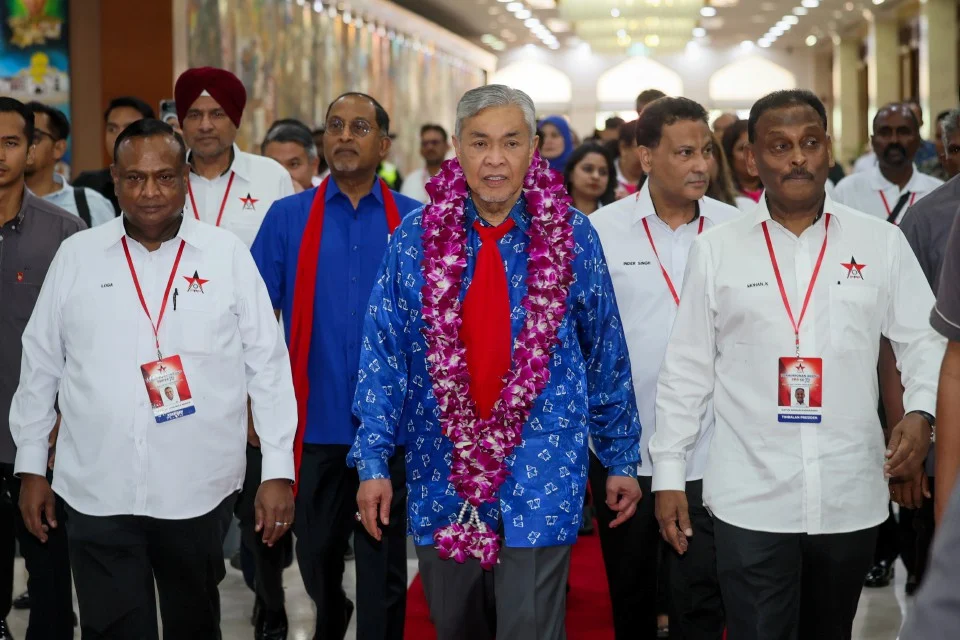
KUALA LUMPUR, June 10 — Deputy Prime Minister Datuk Seri Dr Ahmad Zahid Hamidi, yesterday has welcomed the emphasis on inclusive growth and value creation outlined during Invest Malaysia 2026, describing it as a vital step towards ensuring the benefits of economic development are shared across all levels of society. The premier investment event brought together investors, industry leaders and capital market participants from Malaysia and around the world to discuss the country’s future economic direction and investment opportunities. Zahid said Malaysia’s continued success should not be measured solely by the volume of investments secured, but also by the value generated through those investments, including the creation of quality jobs, innovation, entrepreneurship and sustainable economic opportunities. He noted that capital plays an important role in connecting ambition with opportunity, enabling businesses to expand, entrepreneurs to grow and industries to innovate. However, he stressed that investment benefits must extend beyond large corporations and reach small and medium enterprises (SMEs), young entrepreneurs, Technical and Vocational Education and Training (TVET) graduates, rural businesses and regional economic centres. According to Zahid, a more inclusive investment ecosystem would ensure that a wider segment of Malaysians can participate in and benefit from the nation’s economic progress. He also welcomed the announcement that the Employees Provident Fund (EPF), Permodalan Nasional Berhad (PNB) and Kumpulan Wang Persaraan (KWAP) will allocate a portion of their capital towards supporting companies committed to value creation and the adoption of MY Value Up principles. Zahid said the initiative reflects the government’s commitment to building a resilient and competitive economy that prioritises long-term growth and sustainable development. He expressed confidence that Malaysia will continue strengthening its position as a stable, investment-friendly and globally competitive economy, capable of attracting quality investments while generating greater prosperity and opportunities for its people. -- MINUTESMY -- SOURCE: FB ZAHID HAMIDI

Datuk Seri Dr. Zahid Welcomes Invest Malaysia 2026 Focus on Inclusive Growth and Value Creation

KUALA LUMPUR, June 10 — Deputy Prime Minister Datuk Seri Dr Ahmad Zahid Hamidi, yesterday has welcomed the emphasis on inclusive growth and value creation outlined during Invest Malaysia 2026, .... read more

TOKYO, June 10 — Prime Minister Datuk Seri Anwar Ibrahim yesterday afternoon met representatives from six leading Japanese and international corporations as part of Malaysia’s ongoing efforts to attract high-quality investments and strengthen economic cooperation with Japan. The companies involved in the discussions were IBM Corporation, Mitsubishi Corporation, ENEOS Corporation, Shizen Energy Inc., DENSO Corporation and Marubeni Corporation. During the meetings, Anwar and the corporate leaders explored new opportunities for investment and collaboration in several strategic sectors, including energy, the halal industry, artificial intelligence (AI), data centres and digital technology. The Prime Minister highlighted the importance of strengthening partnerships amid growing global supply chain and energy challenges, noting that such collaborations are essential for enhancing resilience and ensuring long-term supply security. Anwar reiterated Malaysia’s commitment to attracting quality investments, expanding its high-technology ecosystem, creating high-value employment opportunities and deepening economic ties with Japan. He said the confidence shown by the participating companies reflects Malaysia’s growing reputation as a strategic investment destination and a trusted partner for sustainable growth in the region. The engagements formed part of Anwar’s official visit to Japan, which aims to further strengthen bilateral relations and promote greater economic cooperation between the two countries. -- MINUTESMY -- SOURCE: FB ANWAR IBRAHIM

PM Anwar Engages Top Japanese Firms to Expand Investments in Malaysia’s Strategic Sectors

TOKYO, June 10 — Prime Minister Datuk Seri Anwar Ibrahim yesterday afternoon met representatives from six leading Japanese and international corporations as part of Malaysia’s ongoing efforts to attract high-quality .... read more

PETALING JAYA: Trusted and easily accessible credit data is important to increase access to financing for micro, small and medium enterprises (MSMEs) which can reduce information gaps and enable more efficient credit allocation, said Finance Minister II, Datuk Seri Amir Hamzah Azizan. He said better credit data allows financing institutions to assess risk profiles more accurately, enabling viable MSMEs to obtain financing on better terms. "Therefore, financial inclusion is not just about expanding access to financing. It aims to ensure that such access is sustainable, data-based and in line with sound risk management practices and principles," he said in his speech at the CTOS SME Biz Day 2026, here, today. -- BERNAMA

Credit data is believed to help expand PMKS financing access – Amir Hamzah

PETALING JAYA: Trusted and easily accessible credit data is important to increase access to financing for micro, small and medium enterprises (MSMEs) which can reduce information gaps and enable more .... read more

KUALA LUMPUR: The ringgit opened higher against the United States (US) dollar and most other major currencies today, in line with a slight decline in the US Dollar Index (DXY) following the easing of tensions in West Asia. At 8am, the local currency rose to 4.0665/0780 against the US dollar from 4.0715/0760 at the close on Monday. Bank Muamalat Malaysia Bhd Chief Economist, Mohd Afzanizam Abdul Rashid said the DXY fell slightly to 99.98 points as Iran and Israel were seen showing signs of easing their attacks on each other, although the development could still change. “Market sentiment is expected to remain cautious ahead of the US Consumer Price Index (CPI) release tomorrow. "Taking into account the ongoing war and its impact on fuel prices, in addition to the strong non-farm payrolls (NFP) data last week, the Federal Reserve (Fed) is expected to maintain a tight monetary policy stance," he told Bernama. The ringgit traded mostly higher against a basket of major currencies. It strengthened against the British pound to 5.4219/4372 from 5.4249/4309 and rose against the Japanese yen to 2.5385/5459 from 2.5445/5475, but weakened against the euro to 4.6879/7011 from 4.6867/6919 at yesterday's close. The local currency is also trading higher than most regional currencies. The ringgit rose against the Singapore dollar to 3.1548/1639 from 3.1577/1614, strengthened against the Thai baht to 12.3639/4049 from 12.3942/4128, rose against the Philippine peso to 6.59/6.61 from 6.60/6.61, and rose against the Indonesian rupiah to 223.5/224.3 from 223.8/224.2 on Monday. -- BERNAMA

Ringgit opens higher against US dollar, most major currencies

KUALA LUMPUR: The ringgit opened higher against the United States (US) dollar and most other major currencies today, in line with a slight decline in the US Dollar Index (DXY) .... read more