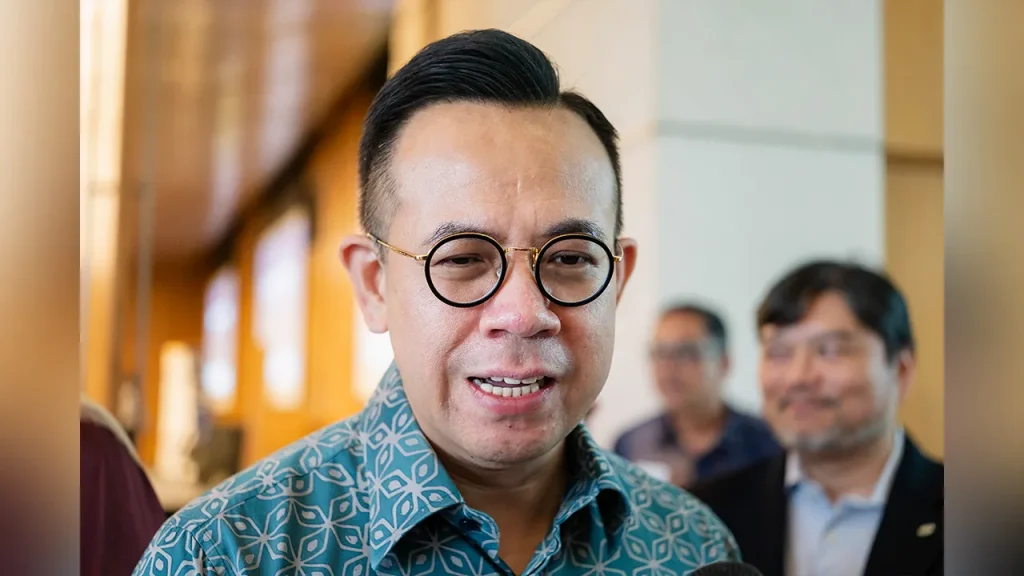
MBMB Allocates Over RM1.8 Mln To Upgrade Lifts In Three Apartments
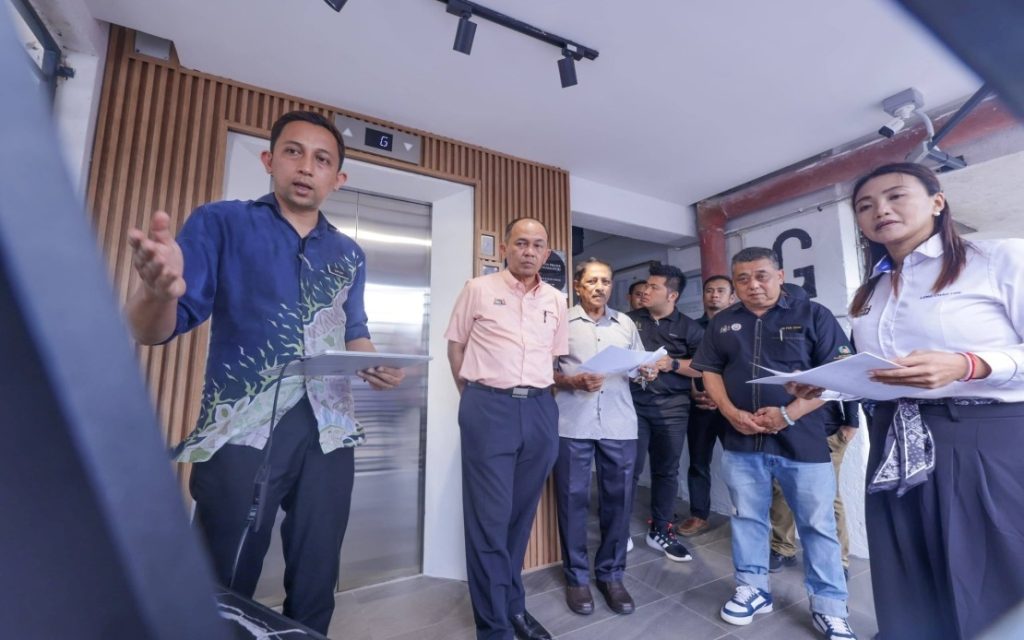
MELAKA, June 4 -- The Melaka Historic City Council (MBMB) is upgrading the lift facilities in three apartments within the Banda Hilir state constituency here, involving an allocation of more than RM1.8 million. Mayor Datuk Shadan Othman said the three apartments are Pangsapuri Laksamana Cheng Ho, Pangsapuri Laksamana Satu and Pangsapuri Sembilan Tingkat. "Lift upgrading works in each apartment is about RM600,000, and so far, two of the apartments, namely Pangsapuri Laksamana Cheng Ho and Pangsapuri Laksamana Satu, have been upgraded, while Pangsapuri Sembilan Tingkat is still in the implementation process. "The upgrading works on the lifts should be the responsibility of the Joint Management Body (JMB) or the Management Corporation (MC), but this project was carried out via an MBMB initiative, with funding provided by the Ministry of Housing and Local Government (KPKT)," he said to reporters here today. He said this after the Completion Ceremony of the Upgrading Project for the Facilities of Pangsapuri Laksamana Cheng Ho and Pangsapuri Laksamana Satu in conjunction with the Wakil Rakyat Untuk Rakyat (WRUR) Programme for the Banda Hilir state constituency. The event was also attended by Banda Hilir assemblyman Leng Chau Yen. Shadan said the upgrading works for the facilities were carried out because the existing lifts were over 30 years old and often malfunctioned, making it difficult for residents, especially the elderly, to go up and down. Meanwhile, he said many apartments under the MBMB administration can be categorised as dilapidated and need to be upgraded in various aspects of the facilities. "We will refine the matter to ensure that the facilities in the apartment can be upgraded or repaired for the comfort, safety and well-being of the residents," he said. Meanwhile, Leng, who is also Melaka deputy exco for Women, Family and Community Development said that an act, policy, or system involving the provision of a special budget needs to be established to improve facilities in all apartments that require it. She said, for example, in the Banda Hilir state constituency, many apartments are over 30 years old and require various facility improvements, including lifts, because most of the residents of these buildings are elderly and their mobility is quite difficult if the facilities are damaged. “Lifts are important facilities that need to be prioritised and require regular maintenance to ensure they are always safe to use and do not burden or inconvenience residents, especially those living on the upper floors," she added. -- BERNAMA

MELAKA, June 4 — The Melaka Historic City Council (MBMB) is upgrading the lift facilities in three apartments within the Banda Hilir state constituency here, involving an allocation of more than RM1.8 million. Mayor Datuk Shadan Othman said the three apartments are Pangsapuri Laksamana Cheng Ho, Pangsapuri Laksamana Satu and Pangsapuri Sembilan Tingkat. “Lift upgrading […]

Political Stability Should Not Depend on Single-Party Dominance

JOHOR BAHRU, June 4 — Johor DAP has cautioned against a return to single-party political dominance, arguing that long-term stability is better achieved through power-sharing, checks and balances, and cooperation among different political parties. In a statement today, Johor DAP Vice Chairman and Pakatan Harapan Johor Communications Director Sheikh Umar Bagharib Ali said recent remarks by Johor Menteri Besar Datuk Onn Hafiz Ghazi, expressing Barisan Nasional’s (BN) intention to contest all 56 Johor state seats, have raised questions about the possibility of restoring a political landscape dominated by a single party. According to Sheikh Umar, while BN’s ambition reflects its confidence and desire to form a strong and stable state government, excessive political dominance could lead to an imbalance of power and weaken democratic oversight. “Political stability does not necessarily require absolute control by one party. Stability can also be achieved through cooperation, shared responsibility and unity among parties representing different backgrounds and interests,” he said. He pointed to Malaysia’s political experience before 2018, when BN’s dominance was so entrenched that many Malaysians viewed a change of government through elections as nearly impossible. “This created a culture of political fear, where voters were often led to believe that a change in government would result in instability,” he said. Sheikh Umar said developments since the 2018 general election had demonstrated the importance of healthy political competition, effective checks and balances, and public confidence in democratic transitions of power. He also cited concerns over the recent appointment of five nominated assemblypersons ahead of the dissolution of the Johor State Legislative Assembly. While acknowledging that the appointments were lawful, he questioned whether they were necessary given the government’s existing strong majority, adding that the move had created perceptions that differing views were not adequately considered. He further noted that the decision to hold a separate Johor state election instead of aligning it with the next general election had sparked debate, particularly amid economic uncertainties linked to ongoing geopolitical tensions in West Asia. According to Sheikh Umar, some observers believe a standalone state election could impose additional costs on both the government and taxpayers. He said Johor and Malaysia have benefited from the current power-sharing approach at the federal level, citing development initiatives such as data centre investments, the Rapid Transit System (RTS) Link project, the Johor-Singapore Special Economic Zone (JS-SEZ), and various socio-economic assistance programmes. “The political landscape has changed significantly since GE14. The idea that only one party can provide a stable and effective government is no longer the only model available,” he said. Sheikh Umar stressed that ensuring a balance of power, maintaining effective checks and balances, and fostering political cooperation would be more important in securing Johor’s long-term stability and prosperity than allowing any single party to dominate the political system.  -- MINUTESMY  --PRESSKL

JOHOR BAHRU, June 4 — Johor DAP has cautioned against a return to single-party political dominance, arguing that long-term stability is better achieved through power-sharing, checks and balances, and cooperation among different political parties. In a statement today, Johor DAP Vice Chairman and Pakatan Harapan Johor Communications Director Sheikh Umar Bagharib Ali said recent remarks by […]

PRIME MINISTER OFFICIATES TNB’S ETCON26, REINFORCES MALAYSIA’S COMMITMENT TOWARDS A SUSTAINABLE AND AI-READY ENERGY FUTURE
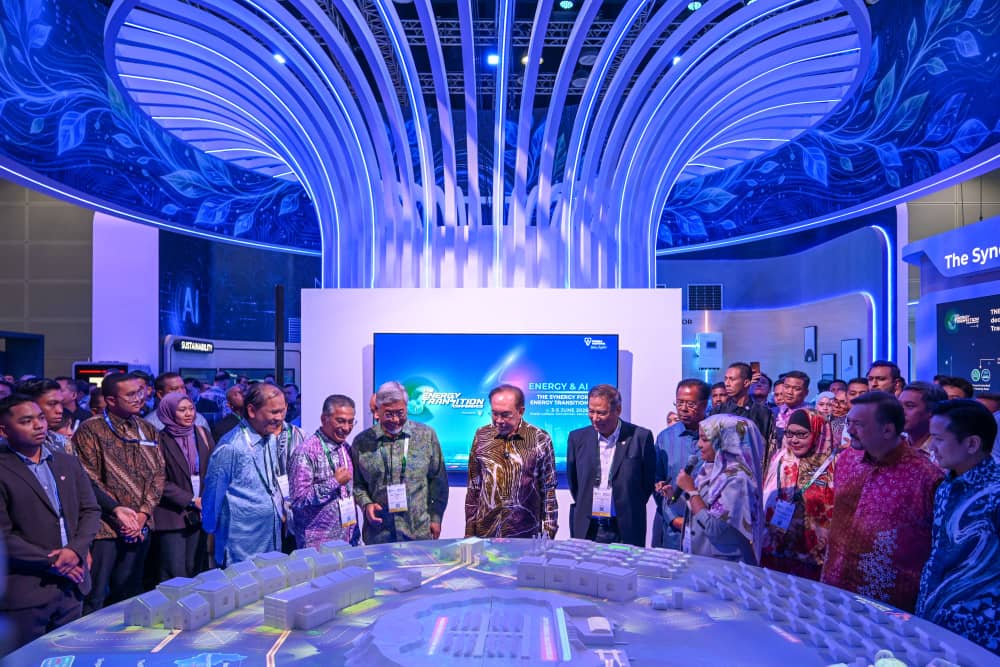
KUALA LUMPUR , Jun 6 -- The second day of Tenaga Nasional Berhad’s (TNB) Energy Transition Conference 2026 (ETCon26) marked a significant milestone as Prime Minister, Dato’ Seri Anwar Ibrahim, officially launched the conference, reaffirming Malaysia’s commitment towards advancing a sustainable, resilient and future-ready energy ecosystem. Building on the momentum of the inaugural conference held in 2023, which marked the launch of the National Energy Transition Roadmap (NETR) by the Prime Minister, ETCon26 highlighted the importance of advancing energy transition in tandem with economic growth, technological innovation and regional collaboration to ensure long-term national competitiveness and sustainable development. The conference also underscored Malaysia’s continued progress in expanding renewable energy capacity, with TNB playing a pivotal role in advancing the NETR aspiration through contributions in large-scale solar development and continued investments in modernising the national grid through incorporation of digital technologies. PM Witnesses Landmark Renewable Energy Agreement Between TNB and DayOne A key highlight of the day was the witnessing of a document exchange formalising a Bilateral Energy Supply Contract (BESC) under the Corporate Renewable Energy Supply Scheme (CRESS) between TNB and DayOne, a Singapore-headquartered global digital infrastructure platform. The agreement reflected Malaysia’s ongoing efforts to advance digital innovation and sustainable energy, aligned with long-term decarbonisation goals under the NETR. The arrangement, which supports Malaysia’s AI Nation 2030 agenda, integrates large-scale solar generation with battery energy storage systems, ensuring a stable and reliable supply of renewable energy for energy-intensive digital operations. High-Level Ministerial Dialogue Complementing the day two highlights was a high-level Ministerial Dialogue themed “Powering Malaysia's Next Growth Chapter: Energy, Economy & Digital in Sync”, bringing together Deputy Prime Minister and Minister of Energy Transition and Water Transformation, Datuk Amar Fadillah Yusof; Minister of Economy, Akmal Nasrullah Mohd Nasir; and Minister of Digital, Gobind Singh Deo. The dialogue explored how a whole-government approach can unlock sustainable economic growth and strengthen Malaysia’s AI-ready competitiveness, including better alignment across power system planning, digital infrastructure, industrial policy and talent development. It also reinforced the importance of cross-sector collaboration to advance Malaysia’s energy transition, while strengthening ETCon26’s role as a platform where energy, economic and digital policymakers converge to support a more aligned and future-focused national agenda. Navigating ASEAN’s Energy Future Also taking centre stage in day two’s discussions were in-depth conversations on the future of energy in ASEAN, where panellists explored the growing importance of cross-border energy trade, regulatory harmonisation, sustainable financing and nuclear technologies as the region accelerates towards a more interconnected, digital and low-carbon future. One of the key sessions, “ASEAN Power Grid: From MOUs to Megawatts”, examined ASEAN’s readiness to operationalise multilateral power trade at scale, while identifying the concrete policy, infrastructure and regulatory actions required to realise a truly integrated regional power system. Another prominent dialogue, “Fueling AI’s Hunger: Powering ASEAN’s Next Era of Growth”, explored the preparedness of ASEAN’s current energy systems to meet the rapidly rising electricity demand driven by AI, digitalisation and data centres, while remaining aligned with energy transition and decarbonisation goals. The conference also featured strong discussions on the future role of nuclear energy through the session “Next-Generation Nuclear: Pioneering the Future”. Experts and industry leaders assessed the readiness of advanced nuclear technologies and the conditions required to make them commercially viable and widely deployable, consequently becoming an alternative source of clean energy to cater for the increasing energy demand in the ASEAN region. These discussions underscored the need for stronger regional cooperation, interconnected grids and coordinated policy frameworks in ensuring ASEAN can achieve long-term energy security, economic resilience and sustainable growth in an increasingly complex global landscape. At this juncture, TNB’s role as a prominent industry player remains critical in advancing and facilitating cross-border connectivity initiatives to support the accelerated energy transition agenda in the region. Powering the Next Phase of Energy Growth The next phase of the energy industry will be shaped by digitalisation and the rapid expansion of AI-driven industries, driving continued growth in electricity demand. Emerging load segments, particularly data centres, require stable and low-carbon electricity supply, with TNB currently supporting 36 operational data centres with electricity supply capacity of approximately 4.5GW. Against this backdrop, Malaysia remains steadfast in its commitment to increase renewable energy capacity to 70% by 2050 or earlier, supporting the growth of an AI-driven economy while accelerating decarbonisation efforts under the NETR. “As energy demand from AI and digital industries continues to accelerate globally, ETCon26 reinforces Malaysia’s ambition to emerge as a regional leader in advancing a sustainable, resilient and future-ready energy ecosystem. Through stronger multilateral collaboration, grid modernisation and clean energy innovation, Malaysia is well-positioned to power ASEAN’s next chapter of sustainable growth,” said TNB Chairman, Tan Sri Abdul Razak Abdul Majid. About ETCon26 Organised by TNB, ETCon26 serves as a regional platform that convenes policymakers, industry leaders, investors, academics and innovators to accelerate collaboration and actionable outcomes in the energy transition agenda. The conference brings together approximately 80 speakers from Malaysia and around the world, representing diverse sectors including energy, technology, finance, policy and infrastructure. Centred on the theme “Energy & AI: The Synergy for Energy Transition”, ETCon26 is anchored on three content pillars, namely Energy for AI, AI for Energy and Energy Transition for People. -- MINUTESMY

KUALA LUMPUR , Jun 6 — The second day of Tenaga Nasional Berhad’s (TNB) Energy Transition Conference 2026 (ETCon26) marked a significant milestone as Prime Minister, Dato’ Seri Anwar Ibrahim, officially launched the conference, reaffirming Malaysia’s commitment towards advancing a sustainable, resilient and future-ready energy ecosystem. Building on the momentum of the inaugural conference held […]

Penang to implement new water tariff rates from July 1

GEORGE TOWN: Penang will implement new water tariff rates for domestic and non-domestic consumers starting July 1 after its implementation was postponed for 12 months. State Transport, Infrastructure and Digital Committee chairman Zairil Khir Johari said the adjustment involved 82 percent of domestic consumers or households who use 35 cubic metres of water or less per month, with an increase of 8.5 sen or RM2.55 per month. "For the first usage range, which is the first 20,000 litres (20 cubic metres), the increase is only three sen, from 62 sen to 65 sen, while for usage of 20,000 litres to 35,000 litres (20 cubic metres to 35 cubic metres), the rate increases by 13 sen from RM1.17 to RM1.30." "However, the average calculation is made based on the use of the first 35 cubic metres because that is the benchmark commonly used in the tariff structure," he said at a press conference at Komtar, here, today. Zairil informed that despite the adjustment which saw the average domestic water rate for the first 35 cubic metres being RM0.93 per cubic metre, Penang is still the state with the cheapest water tariff. For non-domestic consumers, the average new tariff rate for the first 500 cubic metres per month is RM2.28 per cubic metre. He said the tariff adjustment was necessary to ensure sustainable water supply services and support continued investment in the development and maintenance of water infrastructure in the state. Meanwhile, Penang Water Supply Corporation (PBAPP) Chief Executive Officer Datuk K. Pathmanathan said the tariff adjustment did not involve houses of worship and welfare institutions, the shipping sector and other categories. He said for consumers with large households, they can apply for a rebate through the Family Friendly Rebate Scheme offered by PBAPP, which is a rebate of RM20 on every bi-monthly water bill for eligible households. On July 30 last year, the Federal Government gazetted new water rates for Penang as well as nine other states and the Federal Territory of Labuan, however, the State Executive Council has ordered PBAPP to delay the implementation of the new rates for a year until July 1, 2026. -- BERNAMA

GEORGE TOWN, June 4 — Penang will implement new water tariff rates for domestic and non-domestic consumers starting July 1 after its implementation was postponed for 12 months. State Transport, Infrastructure and Digital Committee chairman Zairil Khir Johari said the adjustment involved 82 percent of domestic consumers or households who use 35 cubic metres of […]

AFC recommends Harimau Malaya management be returned to FAM

PETALING JAYA: The Asian Football Confederation (AFC) has proposed that the management of the Harimau Malaya squad be fully returned to the Football Association of Malaysia (FAM) as part of the reform recommendations resulting from an audit of the country's football governing body. AFC Secretary-General Datuk Seri Windsor Paul John said the proposal was included in the recommendations submitted to FAM through the governance audit presented at the FAM Extraordinary Congress (EGM) here today. He said the proposal aims to ensure that the management of the national team is under a clear administrative structure through the FAM national team committee. "Back to FAM. The national team committee has to manage, meaning FAM has to manage, just like before," he said when met by reporters at the FAM EGM here today. Previously, the management of the national team went through a restructuring process, which saw the involvement of professional management with Rob Friend appointed as Chief Executive Officer (CEO) of Harimau Malaya to help strengthen the operations and development of the national squad. Earlier, the AFC presented an audit report on the administration of FAM which also formed the basis for the proposed amendment to the statute to strengthen the governance of the country's football governing body. The AFC's proposed statute amendment was then unanimously approved by the FAM affiliate members. Among the main proposals are the abolition of the position of Deputy President, reducing the number of Vice Presidents to three, and restructuring the FAM Executive Committee (Exco). The audit report also found that most aspects of FAM's operations were at Level 2 (Pre-Intermediate), thus showing that there is still room for improvement in various areas of organizational administration and management. The assessment covers 11 key areas including governance and legal, administration, finance, human resources, infrastructure, communications, marketing, commercial development, advocacy, competition and performance development. -- BERNAMA

PETALING JAYA: The Asian Football Confederation (AFC) has proposed that the management of the Harimau Malaya squad be fully returned to the Football Association of Malaysia (FAM) as part of the reform recommendations resulting from an audit of the country’s football governing body. AFC Secretary-General Datuk Seri Windsor Paul John said the proposal was included […]

TVET ATM-MOT described as ‘game changer’ – Ahmad Zahid
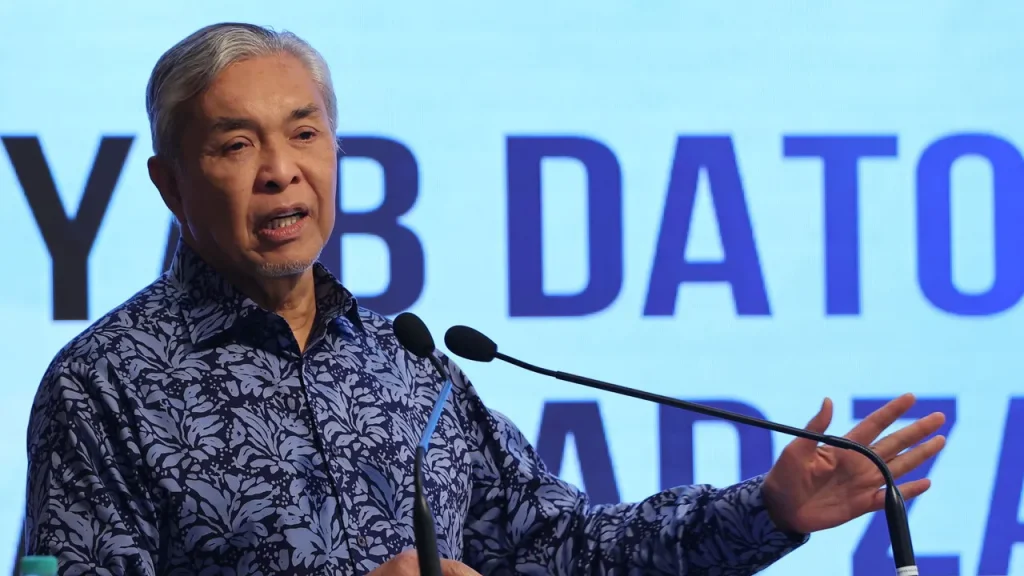
PUTRAJAYA, June 4 -- The strategic collaboration between the Ministry of Transport (MOT) and the Ministry of Defence (MINDEF) in strengthening Technical and Vocational Education and Training (TVET) for members of the Malaysian Armed Forces has been described as a 'game changer', said Deputy Prime Minister Datuk Seri Ahmad Zahid Hamidi. He said the initiative could also open up more highly skilled job opportunities for this group after completing their service, especially in efforts to ensure that members and veterans of the Malaysian Armed Forces (ATM) have clearer career paths in the public sector and industry."Today we are witnessing a 'game changer' that I have dreamed of since I became Minister of Defence. "Not only to provide opportunities for veterans to venture into the field of transportation and logistics, but also to ensure they continue to be the quality workforce that the country needs," he said when speaking at the Strategic Cooperation Council between MOT and MINDEF for TVET Empowerment of ATM Members, here today. Also present were Transport Minister Anthony Loke and Defence Minister Datuk Seri Mohamed Khaled Nordin. As an initial step in implementing the collaboration, 3,208 job vacancies have been identified in the transportation sector covering the port, logistics, rail, public transport and land transport sub-sectors. Ahmad Zahid said the collaboration proved the effectiveness of a cross-ministerial approach that prioritised swift action rather than working separately or in silos. He said the proposal was presented by the Ex-Servicemen's Affairs Corporation (PERHEBAT) to the National TVET Council about three months ago, before being successfully realised in a short period of time. "We see that when we take an approach that does not work in silos, the results can be implemented immediately," he said. The initiative also reflects the MADANI Government's concern for military personnel who are about to retire, especially those who have completed short-term service and still have great potential to contribute to the national economy. He said PERHEBAT was also transforming by introducing courses that better meet the needs of the current industry compared to conventional courses that promised less return to participants. "... this is a commitment to translating the national agenda. It means the MADANI government's concern for all groups in society, especially those who are about to retire from military service," he said. Ahmad Zahid said the logistics sector, including aerospace maintenance, repair and overhaul (MRO), the maritime industry and various other service sectors, is in dire need of a workforce with high discipline and strong work ethics. He said ATM members and officers have these advantages as a result of their training and experience throughout their service, thus making them valuable assets to the industry. Meanwhile, Ahmad Zahid, who is also the Chairman of the National TVET Council, said the government would move towards TVET 2.0 by focusing on developing a high-impact and highly skilled workforce that meets market demand. He said RM7.9 billion has been allocated this year to train and coordinate 1,345 TVET institutions under 12 ministries. The coordination efforts are beginning to show results when the number of students participating in TVET institutions has increased to 497,000 compared to only 121,000 two years ago. -- BERNAMA

PUTRAJAYA, June 4 — The strategic collaboration between the Ministry of Transport (MOT) and the Ministry of Defence (MINDEF) in strengthening Technical and Vocational Education and Training (TVET) for members of the Malaysian Armed Forces has been described as a ‘game changer’, said Deputy Prime Minister Datuk Seri Ahmad Zahid Hamidi. He said the initiative […]

LITEON Partners With SUTD and Its Spinoff NeuroRAN to Drive AI-RAN Innovation, Advancing Real-Time Edge AI Commercialization over 5G

SEOUL, South Korea, June 4, 2026 -- SKAI Intelligence, a Physical AI company specializing in digital twins and industrial-grade synthetic data, today announced the signing of a memorandum of understanding (MOU) with the Seoul National University AI Institute (AIIS), one of Asia's leading artificial intelligence research organizations, to jointly advance core technologies powering the next generation of intelligent robotics. The collaboration brings together SKAI Intelligence's expertise in high-fidelity digital twins, synthetic-data generation, and simulation technologies with the Seoul National University AI Institute's world-class AI research capabilities. Together, the two organizations will pursue research and development initiatives aimed at accelerating the commercialization of Physical AI across industrial applications. As robotics and autonomous systems increasingly move from controlled environments into real-world settings, the ability to train AI models using large-scale, high-quality synthetic data has emerged as a critical industry challenge. Through this partnership, SKAI Intelligence and AIIS will focus on developing advanced robotic perception, grasping, vision, and spatial understanding technologies that enable robots to better understand, interact with, and navigate complex physical environments. At the center of the collaboration is SKAI Intelligence's synthetic-data production infrastructure, which leverages NVIDIA Omniverse-based digital twin technology to transform real-world objects and environments into highly accurate virtual assets. The platform enables the generation of industrial-scale synthetic datasets for AI training, testing, evaluation, and validation, helping bridge the gap between simulation and real-world deployment. The two organizations will jointly conduct research in robotic perception and grasping, object recognition and pose estimation, monocular depth estimation, real-time object tracking, and other foundational technologies required for Physical AI systems. The partners also plan to collaborate on government-sponsored research programs, talent exchanges, and large-scale AI model development initiatives. By combining academic research with industrial-scale simulation and synthetic-data generation capabilities, the partnership seeks to advance Sim-to-Real methodologies that allow robots to learn more efficiently in virtual environments before being deployed in real-world scenarios. "In the Physical AI era, the ability to accurately replicate the real world in digital form and generate scalable, high-quality training data will become a defining competitive advantage," said Morgan Mao, co-CEO and co-Founder of SKAI Intelligence. "By combining our digital twin and synthetic-data technologies with the world-class AI research expertise of Seoul National University AI Institute, we aim to accelerate the development and commercialization of next-generation robotics and Physical AI technologies," Mao added. "This collaboration represents an important step toward bridging advanced AI research with practical industrial applications," said Jaewook Lee, Director of the Seoul National University AI Institute. "Through joint research and continuous technical collaboration, we hope to contribute to the advancement of globally competitive Physical AI technologies." This strategic partnership reflects SKAI Intelligence's broader strategy to strengthen its position as a key infrastructure provider for the emerging Physical AI ecosystem. The company has been expanding its investments in digital twin technologies, synthetic-data generation, and AI simulation platforms to support robotics, automation, and intelligent manufacturing applications worldwide. About SKAI Intelligence SKAI Intelligence is a Physical AI company delivering industrial-grade synthetic data and high-fidelity digital twins for enterprise and industrial applications. Leveraging AI-powered simulation, automation, and digital twin technologies, the company enables scalable AI training and next-generation digital infrastructure across industries. As an NVIDIA Independent Software Vendor (ISV), SKAI Intelligence leverages NVIDIA Omniverse technologies to support digital twin workflows, synthetic data generation, and real-time simulation environments for Physical AI applications. About Seoul National University AI Institute (AIIS) The Seoul National University AI Institute (AIIS) is one of Korea's leading artificial intelligence research organizations, conducting advanced research across machine learning, robotics, computer vision, natural language processing, and next-generation AI systems. AIIS collaborates with academic, government, and industry partners to advance AI innovation and commercialization. -- PRNewswire -- Source: SKAI Intelligence

SEOUL, South Korea, June 4, 2026 — SKAI Intelligence, a Physical AI company specializing in digital twins and industrial-grade synthetic data, today announced the signing of a memorandum of understanding (MOU) with the Seoul National University AI Institute (AIIS), one of Asia’s leading artificial intelligence research organizations, to jointly advance core technologies powering the next […]

SKAI Intelligence Partners with Korea’s Leading AI Institute to Advance Synthetic Data and Physical AI Research
SEOUL, South Korea, June 4, 2026 -- SKAI Intelligence, a Physical AI company specializing in digital twins and industrial-grade synthetic data, today announced the signing of a memorandum of understanding (MOU) with the Seoul National University AI Institute (AIIS), one of Asia's leading artificial intelligence research organizations, to jointly advance core technologies powering the next generation of intelligent robotics. The collaboration brings together SKAI Intelligence's expertise in high-fidelity digital twins, synthetic-data generation, and simulation technologies with the Seoul National University AI Institute's world-class AI research capabilities. Together, the two organizations will pursue research and development initiatives aimed at accelerating the commercialization of Physical AI across industrial applications. As robotics and autonomous systems increasingly move from controlled environments into real-world settings, the ability to train AI models using large-scale, high-quality synthetic data has emerged as a critical industry challenge. Through this partnership, SKAI Intelligence and AIIS will focus on developing advanced robotic perception, grasping, vision, and spatial understanding technologies that enable robots to better understand, interact with, and navigate complex physical environments. At the center of the collaboration is SKAI Intelligence's synthetic-data production infrastructure, which leverages NVIDIA Omniverse-based digital twin technology to transform real-world objects and environments into highly accurate virtual assets. The platform enables the generation of industrial-scale synthetic datasets for AI training, testing, evaluation, and validation, helping bridge the gap between simulation and real-world deployment. The two organizations will jointly conduct research in robotic perception and grasping, object recognition and pose estimation, monocular depth estimation, real-time object tracking, and other foundational technologies required for Physical AI systems. The partners also plan to collaborate on government-sponsored research programs, talent exchanges, and large-scale AI model development initiatives. By combining academic research with industrial-scale simulation and synthetic-data generation capabilities, the partnership seeks to advance Sim-to-Real methodologies that allow robots to learn more efficiently in virtual environments before being deployed in real-world scenarios. "In the Physical AI era, the ability to accurately replicate the real world in digital form and generate scalable, high-quality training data will become a defining competitive advantage," said Morgan Mao, co-CEO and co-Founder of SKAI Intelligence. "By combining our digital twin and synthetic-data technologies with the world-class AI research expertise of Seoul National University AI Institute, we aim to accelerate the development and commercialization of next-generation robotics and Physical AI technologies," Mao added. "This collaboration represents an important step toward bridging advanced AI research with practical industrial applications," said Jaewook Lee, Director of the Seoul National University AI Institute. "Through joint research and continuous technical collaboration, we hope to contribute to the advancement of globally competitive Physical AI technologies." This strategic partnership reflects SKAI Intelligence's broader strategy to strengthen its position as a key infrastructure provider for the emerging Physical AI ecosystem. The company has been expanding its investments in digital twin technologies, synthetic-data generation, and AI simulation platforms to support robotics, automation, and intelligent manufacturing applications worldwide. About SKAI Intelligence SKAI Intelligence is a Physical AI company delivering industrial-grade synthetic data and high-fidelity digital twins for enterprise and industrial applications. Leveraging AI-powered simulation, automation, and digital twin technologies, the company enables scalable AI training and next-generation digital infrastructure across industries. As an NVIDIA Independent Software Vendor (ISV), SKAI Intelligence leverages NVIDIA Omniverse technologies to support digital twin workflows, synthetic data generation, and real-time simulation environments for Physical AI applications. About Seoul National University AI Institute (AIIS) The Seoul National University AI Institute (AIIS) is one of Korea's leading artificial intelligence research organizations, conducting advanced research across machine learning, robotics, computer vision, natural language processing, and next-generation AI systems. AIIS collaborates with academic, government, and industry partners to advance AI innovation and commercialization. -- PRNewswire -- Source: SKAI Intelligence

SEOUL, South Korea, June 4, 2026 — SKAI Intelligence, a Physical AI company specializing in digital twins and industrial-grade synthetic data, today announced the signing of a memorandum of understanding (MOU) with the Seoul National University AI Institute (AIIS), one of Asia’s leading artificial intelligence research organizations, to jointly advance core technologies powering the next […]