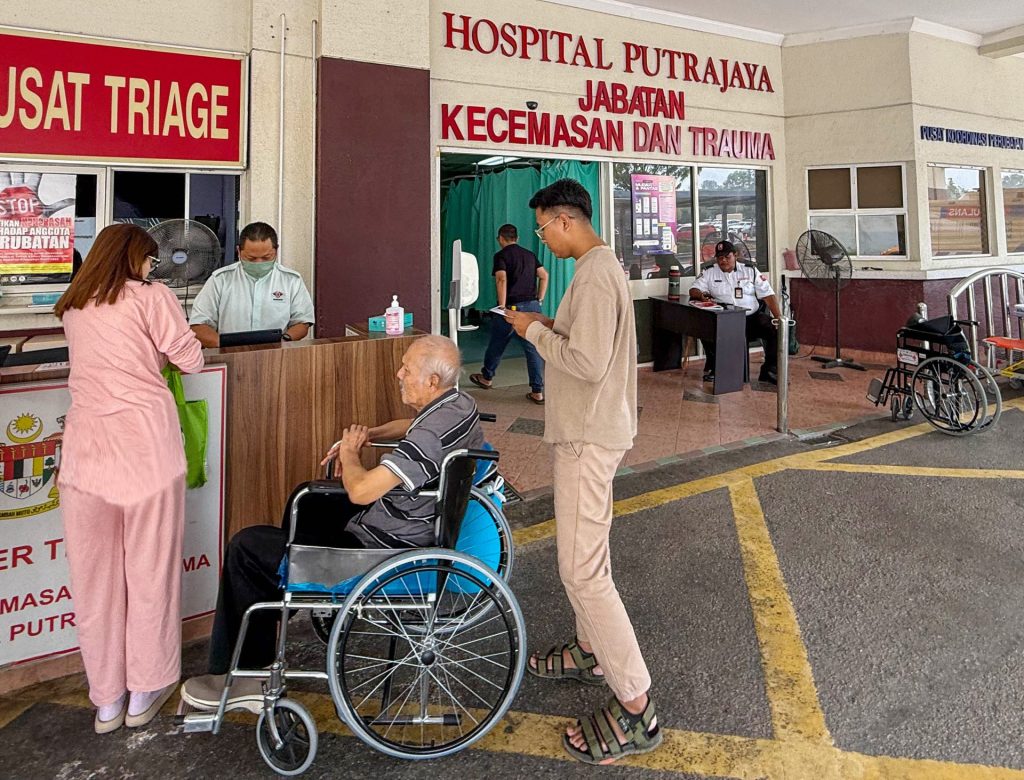
PETALING JAYA: Malaysia needs greater investment in healthcare under Budget 2027, particularly in disease prevention, primary care and healthcare manpower, as the country faces rising non-communicable diseases (NCDs) and an ageing population.
Taylor’s Business School economist Prof Dr Poon Wai Ching said the healthcare system should gradually shift from a treatment-focused approach towards prevention, stronger primary care, chronic disease management and community-based healthy ageing.
She said greater investment in early intervention could prevent diseases from worsening, reduce complications and avoidable hospital admissions, and ease pressure on the healthcare system.
Poon also called for healthcare spending to be increasingly assessed based on outcomes, including waiting times, access to care, disease control, avoidable hospitalisation, healthy life expectancy and patients’ out-of-pocket costs.
She said Malaysia should also strengthen healthcare financing through better risk pooling, targeted subsidies and more efficient public-private partnerships, while improving financial protection for essential medicines, chronic disease treatment and long-term care.
Poon added that ageing should be viewed beyond healthcare, with Budget 2027 supporting an “ageing well” economy involving preventive care, rehabilitation, digital monitoring, home care, professional caregivers and community support.
Meanwhile, Universiti Kebangsaan Malaysia public health specialist Prof Dr Sharifa Ezat Wan Puteh said NCDs such as heart disease, diabetes, stroke, hypertension and cancer should remain key priorities.
She said stronger primary care and public health programmes were needed to manage risk factors earlier, while adequate doctors, nurses and specialists were essential to prevent treatment delays.
Sharifa Ezat said Malaysia’s public healthcare system was under strain and that greater funding was needed for public health programmes, primary care, clinic infrastructure and access to essential medicines.
She also stressed that expanding hospital infrastructure alone would not be sufficient without adequate manpower, equipment and expertise.
She called for more strategic workforce planning, better remuneration and improved working conditions to retain healthcare workers and reduce burnout.
-TheSun