KOTA KINABALU, Oct 6, 2026 — The perspectives and interests of Bumiputera communities in Sabah and Sarawak must be given greater emphasis in shaping the country’s Bumiputera economic agenda, said Sabah Deputy Chief Minister III Datuk Ewon Benedick.
Ewon, who is also Sabah Industrial Development, Entrepreneurship and Transportation Minister, said national policies and initiatives must take into account the unique needs and circumstances of both states.
He said the interests of Bumiputera communities in Sabah and Sarawak should be understood within the context of inter-ethnic understanding, Malaysia’s formation and constitutional guarantees.
“Any policy or initiative under the Bumiputera agenda should not be focused solely on Bumiputera communities in Peninsular Malaysia. The perspectives, interests and needs of Bumiputera in Sabah and Sarawak must be made a major part of the agenda,” he said.
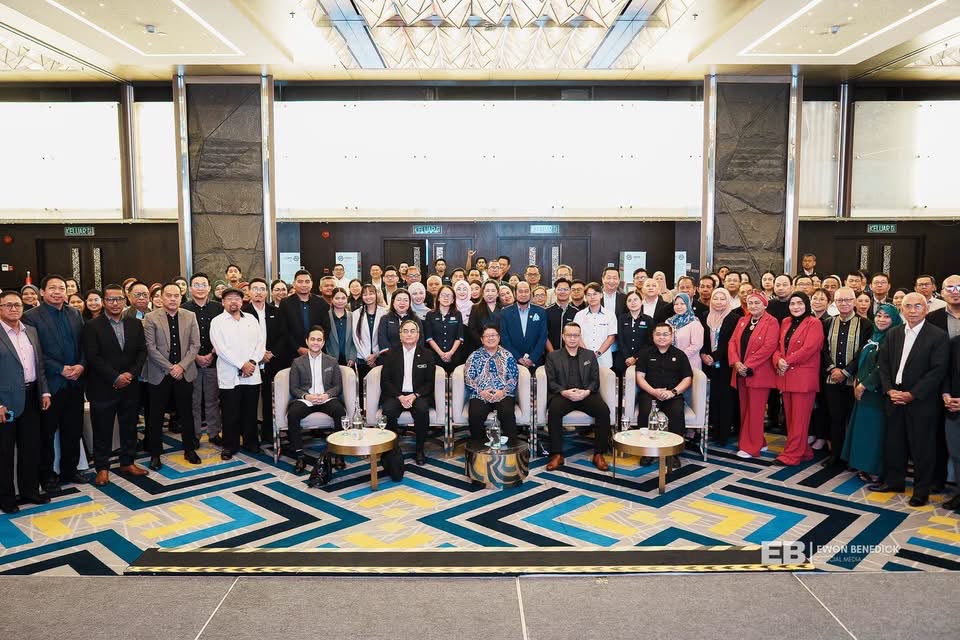
He was speaking at a stakeholder engagement session for the Bumiputera Economic Congress in Kota Kinabalu today.
Ewon, who chairs the Steering Committee of the Sabah Bumiputera Economic Council, said leaders have a responsibility to serve all Malaysians regardless of ethnic background.
However, he stressed that the interests of Bumiputera must remain an important consideration in efforts to build a stronger national economy.
Ewon said he had previously proposed the establishment of a dedicated cluster to discuss the perspectives and interests of Bumiputera communities in Sabah and Sarawak during the Bumiputera Economic Congress.
The 2024 Bumiputera Economic Congress subsequently featured a Sabah and Sarawak cluster, involving the Kadazandusun Chamber of Commerce and Industry (KCCI) and Dayak Chamber of Commerce and Industry (DCCI) as panellists.
He said the congress’ memorandum and resolutions were later presented to the Cabinet and contributed to the development of the Bumiputera Economic Transformation Plan 2035 (PuTERA35).
Ewon also stressed that Bumiputera economic planning must consider Sabah’s poverty data and economic profile, particularly the position of micro, small and medium enterprises (MSMEs).
He noted that six districts in Sabah were among the 10 poorest districts in Malaysia, underscoring the need for greater attention to the state’s economic challenges.
He urged Sabah to participate more actively and seriously in discussions and planning concerning the Bumiputera economic agenda.
“We in Sabah need to participate more actively and take this more seriously. We have always been serious, but I believe it is now time for us to strengthen our involvement further,” he said.
Ewon said a similar approach of taking into account the perspectives, issues and challenges of East Malaysia had also been incorporated into the Look East Within the Country policy during his tenure at the federal Ministry of Entrepreneur Development and Cooperatives (KUSKOP).
Under his leadership of Sabah’s Ministry of Industrial Development, Entrepreneurship and Transportation (MINDET), he said efforts were also being made to create more opportunities for local Sabah companies to participate in economic activities.
He expressed hope that the findings from the engagement sessions would be consolidated and presented at the Sabah Bumiputera Economic Congress.
The session was organised by TERAJU and the Institute for Development Studies (IDS) Sabah. The Kota Kinabalu session was the final engagement session, following earlier sessions in Kota Marudu, Keningau, Sandakan and Tawau.