KUALA LUMPUR, Oct 28, 2026 — The Ministry of Education (MOE) plans to expand its K11 Comprehensive School Programme to 10 additional schools next year, aiming to improve access to education, especially for students in rural areas.
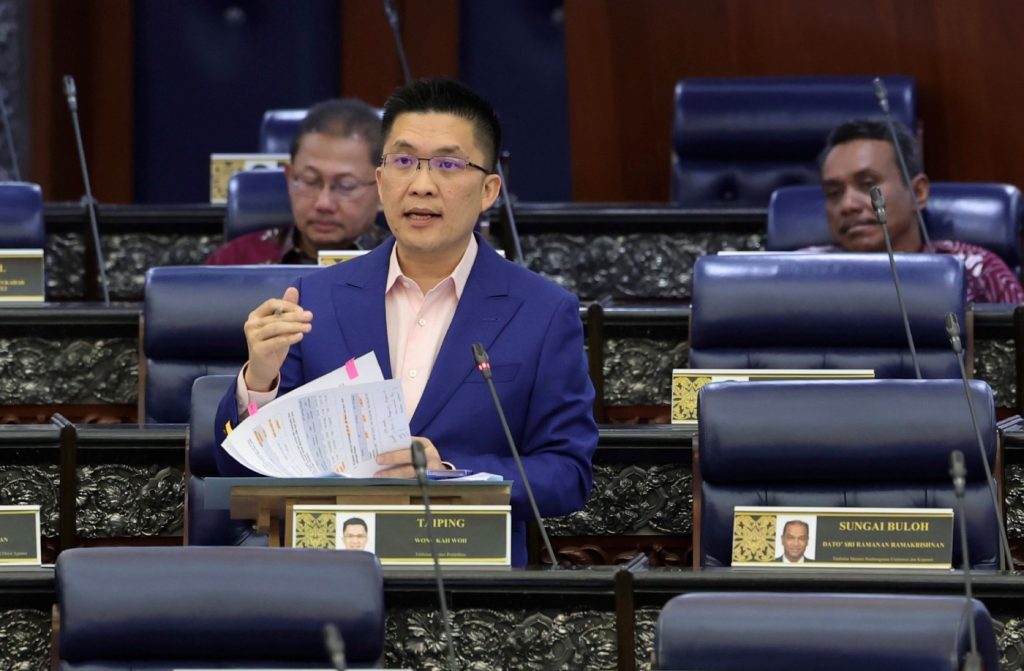
Deputy Education Minister Wong Kah Woh said nine schools had implemented the programme since it was introduced in 2023. The initiative allows students to complete their education from Year One to Form Five at the same school.
The pilot programme began at Sekolah Menengah Kebangsaan (SMK) Long Bedian in Sarawak and SMK Benta in Pahang.
Wong said the ministry recognised that some schools were not yet ready to transition to the K9 or K11 model. However, he stressed that the government would continue to ensure students had access to education wherever conditions allowed.
He shared the update during a question-and-answer session in the Dewan Rakyat while responding to a question about measures to prevent long-term school dropouts among students from extremely poor households.
MOE Strengthens Support for Students
Wong said the ministry provides 18 types of assistance to students in both urban and rural areas.
As part of its efforts to reduce educational gaps, the ministry also introduced targeted interventions and regular curriculum improvements.
Under the District Transformation Programme, 744 schools received targeted interventions in 2025. The initiatives benefited 41,817 students across six core subjects.
These efforts aim to address differences in academic performance linked to location, family income and gender.
Rural SPM Results Show Improvement
Wong also highlighted improvements in the performance of rural students sitting for the Sijil Pelajaran Malaysia (SPM) examination.
The proportion of rural SPM candidates eligible to receive their certificates increased from 92.31 per cent in 2024 to 92.9 per cent in 2025.
Meanwhile, the gap between male and female candidates’ certificate eligibility rates narrowed from 5.95 percentage points to 5.32 percentage points over the same period.
The ministry said its targeted support, academic interventions and curriculum improvements form part of its wider efforts to make quality education more accessible to students from different socioeconomic backgrounds.
Source: BERNAMA | Rewritten By Minutesmy