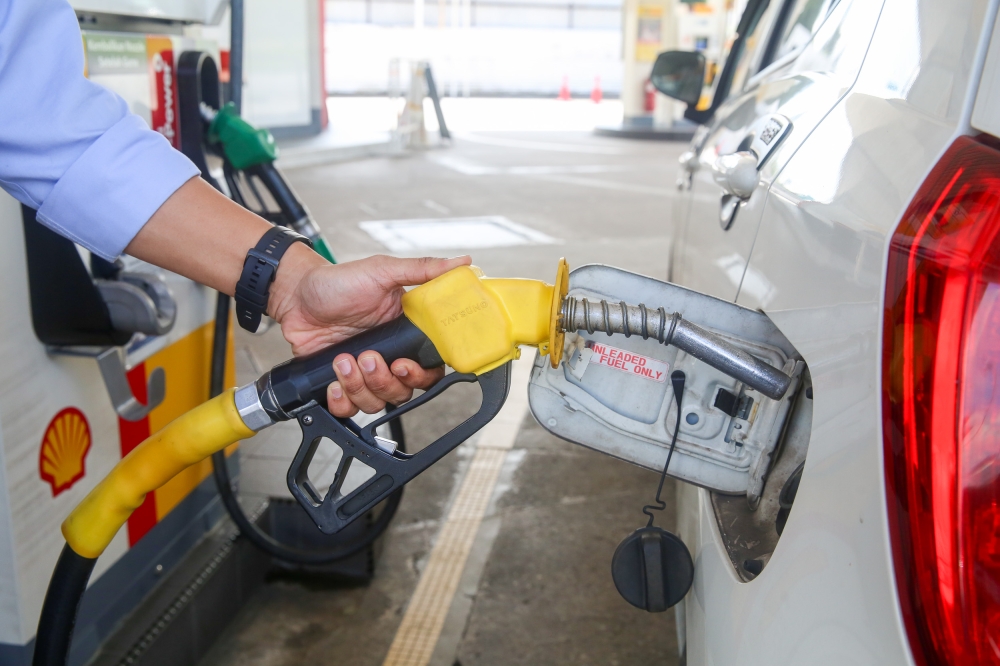
KUALA LUMPUR: Perikatan Nasional (PN) has expressed serious concern over the sudden increase in fuel prices announced today, with RON97 rising by 60 sen to RM5.15, unsubsidised RON95 at RM3.85, and diesel in Peninsular Malaysia increasing by up to 80 sen to RM5.52 per litre.
Takiyuddin Hassan, PN Secretary-General in a statement said the sharp rise in such a short period is worrying, as it will directly impact the cost of living, particularly through higher transportation, logistics, food, and essential goods prices.
Diesel price increases are expected to have a cascading effect across the economy, affecting sectors such as transportation, agriculture, construction, and industry.
The coalition also highlighted the significant disparity between diesel prices in Peninsular Malaysia and those in Sabah and Sarawak, where prices remain much lower at RM2.15.
While PN acknowledged that subsidy structures and regional economic considerations may partially explain the difference, it warned that the wide gap risks creating a perception of unfairness, with Peninsular consumers and businesses bearing a heavier burden.
PN noted that the government had linked the increase to rising global oil prices and geopolitical uncertainty in West Asia.
However, the coalition stressed that Malaysians have the right to know how prepared the government is to mitigate the impact on households, businesses, and small- and medium-sized enterprises.
Questions remain over whether the measures announced so far are sufficient to truly ease the burden on the public, and whether the government has a clear and comprehensive strategy for managing fuel subsidies amid an unpredictable global economy.
PN urged the government to:
- Provide a detailed explanation of the factors behind the sudden fuel price hike;
- Announce immediate measures to reduce the impact on the cost of living;
- Clarify whether additional targeted assistance will be expanded for affected groups;
- Share projections on the likelihood of further price increases in the near term.
PN also suggested the government consider implementing a temporary windfall tax on sectors and companies benefiting from global commodity price surges, including the oil and related industries, with the additional revenue used to help ease the burden on the public.
The coalition emphasized that the government must prioritise public welfare, ensure policies are transparent, accountable, and effective, and act swiftly to prevent continued economic pressure while managing the effects of global volatility.
— Minutes MY