Vijay also known as ‘THALAPATHY’ has spent most of his life proving people wrong. His journey — from a struggling young actor facing ridicule to becoming one of Tamil cinema’s biggest superstars, and now a political leader attempting to reshape Tamil Nadu politics — is built on persistence more than privilege.
When Vijay entered the film industry in the early 1990s, he was heavily criticised. Despite being the son of filmmaker S. A. Chandrasekhar, he did not receive automatic acceptance from audiences. Many mocked his looks, dialogue delivery, and screen presence. At a time when Tamil cinema was dominated by larger-than-life personalities, Vijay appeared quiet and ordinary. Several critics believed he lacked the charisma needed to become a hero.
But Vijay survived because he kept improving. Instead of responding emotionally to criticism, he focused on hard work. Film after film, he sharpened his acting, dancing, and action performances. Movies like Poove Unakkaga gave him recognition, while later blockbusters such as Ghilli, Thuppakki, Mersal, and Leo turned him into a mass icon. His films increasingly included social themes about corruption, inequality, education, and governance, which helped strengthen his image beyond entertainment.
Over time, Vijay’s fan clubs became more organised and socially active. They conducted welfare programmes, blood donation drives, flood relief efforts, and educational assistance. These activities quietly laid the groundwork for his future political movement.
When Vijay officially launched Tamilaga Vettri Kazhagam, expectations were enormous. Supporters viewed him as a fresh alternative in Tamil Nadu politics, especially for younger voters seeking change. However, politics quickly exposed him to a different kind of challenge.
Unlike cinema, where popularity guarantees applause, politics demands constant accountability. Vijay now faces criticism from rival parties, political analysts, and even sections of the public who question whether a film star can truly govern. Some critics argue that he has yet to present detailed policy frameworks on the economy, employment, rural development, and national issues. Others believe he still lacks the grassroots political machinery needed to compete against established Dravidian parties with decades of organisational strength.
His political journey has also been complicated by intense media scrutiny. Every speech, silence, public appearance, and political decision is analysed. Opponents accuse him of relying too much on celebrity influence, while supporters counter that his clean public image and disciplined approach make him different from traditional politicians.
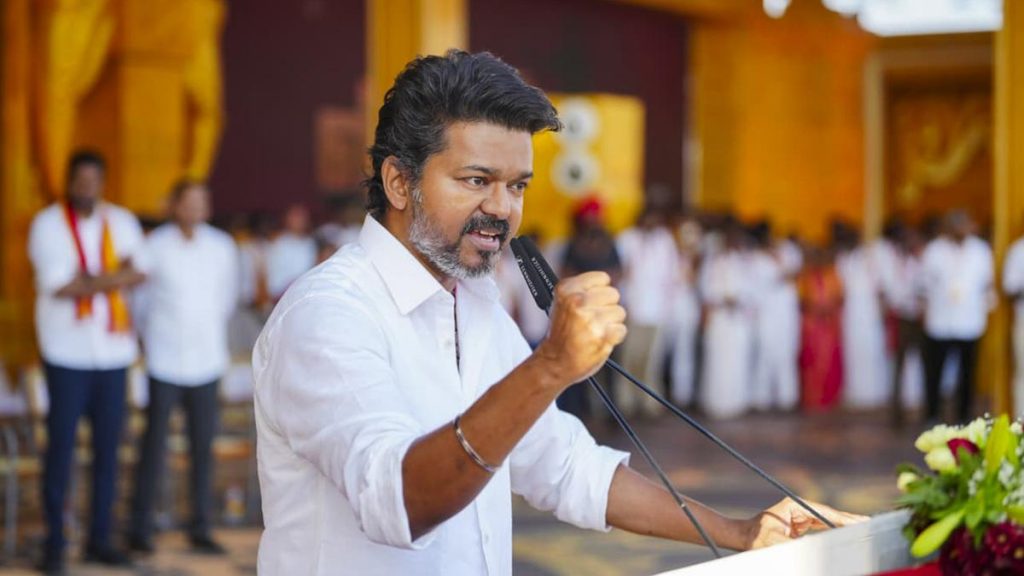
Yet Vijay has already achieved something significant politically — he has created momentum. In a state where politics has historically been dominated by powerful established parties, building a new political movement itself is a major achievement. His rallies attract massive crowds, his speeches generate wide discussion, and his appeal among youth remains strong. Even critics acknowledge that he has become an important political figure whose influence cannot be ignored.
What makes Vijay’s story compelling is that his struggles never truly ended — they simply evolved. In cinema, he fought for acceptance as an actor. Today, in politics, he is fighting for acceptance as a leader. The battlefield has changed, but the challenge remains the same: proving that he belongs at the top.
Whether Vijay eventually succeeds politically or not, his journey already reflects resilience, patience, and reinvention. Few public figures manage to survive criticism in one field and willingly enter an even harsher arena. Vijay did exactly that, and that courage itself explains why millions continue to follow his journey closely.
— MINUTESMY / SUGAN BALAN