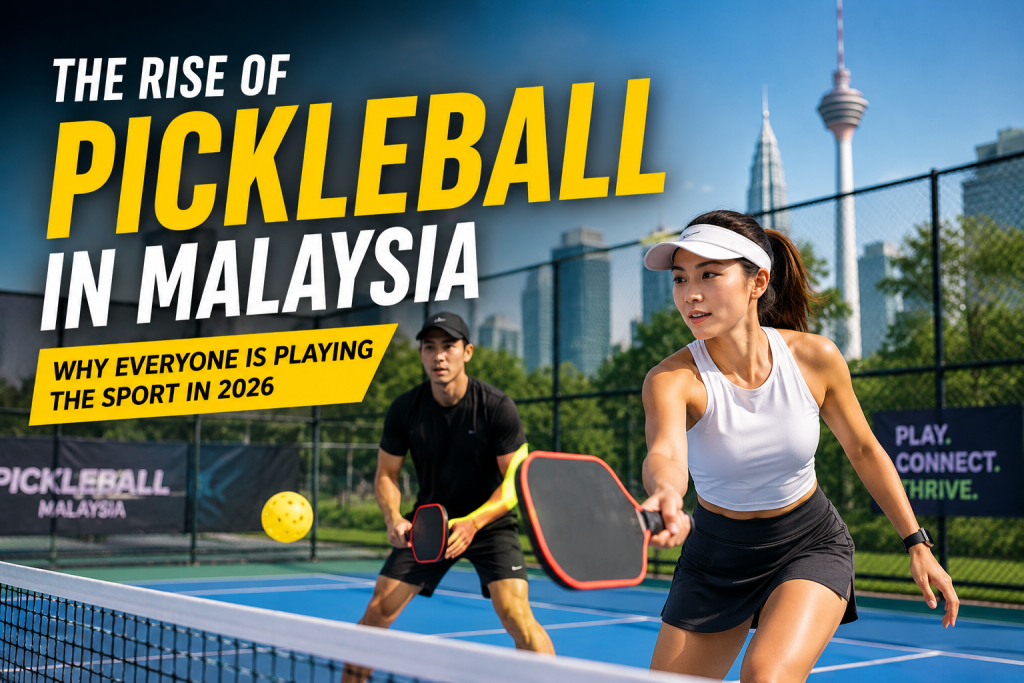
Pickleball is no longer just a niche sport played quietly in community halls. Across Malaysia, the game has exploded into one of the country’s fastest-growing lifestyle trends, attracting everyone from students and young professionals to retirees and celebrities. What was once considered a casual pastime has now evolved into a booming social and fitness movement.
In cities like Kuala Lumpur, Penang, Johor Bahru, and Kota Kinabalu, pickleball courts are becoming increasingly common in residential areas, sports complexes, and even premium lifestyle clubs. The sport’s popularity has surged thanks to social media exposure, celebrity participation, and its reputation as a fun, beginner-friendly activity that combines fitness and social interaction. 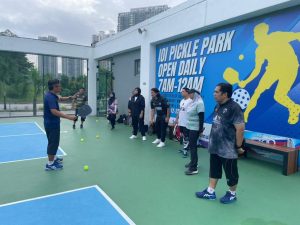
Unlike tennis or badminton, pickleball is easier to learn and less physically demanding for newcomers. Played on a smaller court with lightweight paddles and a perforated plastic ball, the sport allows players of all ages to enjoy competitive games without requiring advanced athletic ability. This accessibility is one of the key reasons why Malaysians have embraced it so quickly.
For many young Malaysians, pickleball has become more than just a sport — it is now part of their lifestyle routine. Weekend matches, after-work games, and friendly tournaments are becoming popular social activities. Many players say the sport provides a healthier alternative to spending time at cafés or shopping malls, while still offering opportunities to socialise and build friendships. 
The trend has also gained momentum through TikTok and Instagram, where videos of pickleball matches regularly attract thousands of views. Influencers and content creators frequently post about their games, stylish sportswear, and newly discovered courts around the country. This online exposure has introduced the sport to a younger audience eager to try something new and trendy.
Sports facility operators have quickly recognised the growing demand. Several badminton halls and futsal centres across Malaysia have started converting their spaces into pickleball courts to accommodate the increasing number of players. Some venues even offer beginner classes, equipment rentals, and social leagues designed specifically for first-time participants. 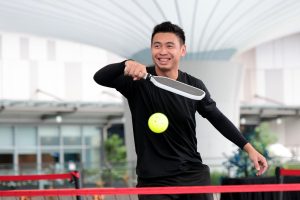
Another factor driving the sport’s popularity is its affordability. Compared to golf or tennis, pickleball requires relatively low-cost equipment, making it accessible to a wider group of people. A basic paddle and ball set is affordable for most beginners, while court rental fees are generally lower than many other sports facilities.
Health experts have also praised the sport for encouraging active lifestyles among Malaysians. Pickleball provides cardiovascular exercise, improves coordination, and promotes mental wellness through social engagement and stress relief. For office workers dealing with long hours and sedentary routines, the sport offers an enjoyable way to stay active without intense physical strain.
Families are also embracing the trend. Because pickleball is suitable for various age groups, parents and children can play together, creating a family-friendly recreational activity that bridges generations. Community tournaments and local leagues are increasingly attracting participants from diverse backgrounds, strengthening neighbourhood engagement and promoting healthier lifestyles.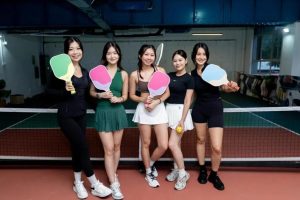
As the sport continues to grow, some observers believe Malaysia could eventually become a regional hub for pickleball events and competitions. Interest from sponsors, sports brands, and event organisers is already increasing, with more tournaments expected to take place nationwide in the coming years.
The rise of pickleball reflects a broader shift in Malaysian lifestyle culture — one that values wellness, social connection, and modern recreational experiences. Whether played casually among friends or competitively in organised tournaments, the sport has successfully captured the attention of Malaysians looking for fun, fitness, and community in a fast-paced urban world.
— MINUTESMY / SUGAN BALAN