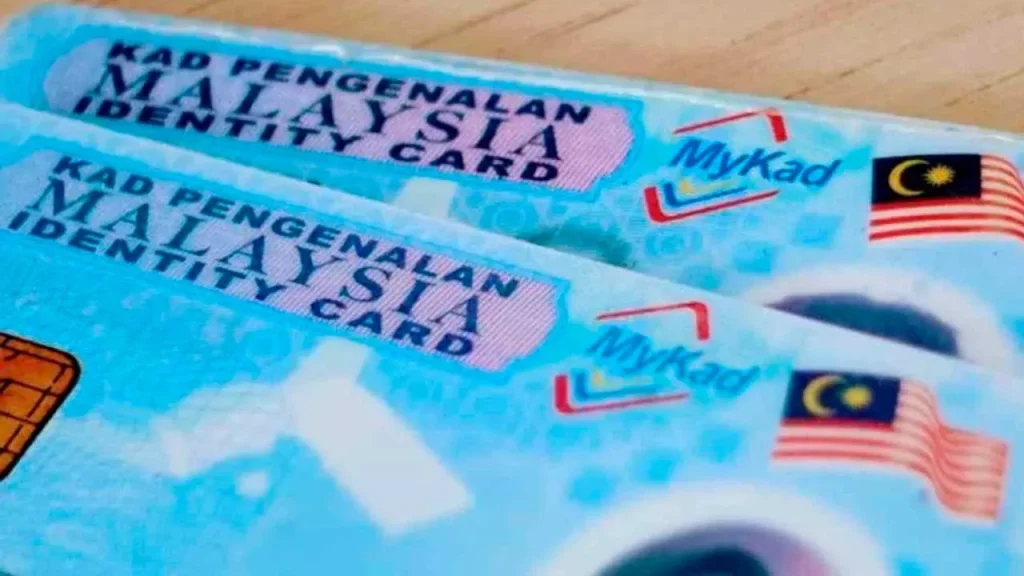
KUALA LUMPUR: After more than two decades as the main identification document for Malaysians, MyKad is now entering another new phase through the introduction of the New Structure MyKad which is equipped with more sophisticated security features, to strengthen the protection of people’s identities and personal data in the digital era.
The phased implementation of the New Structure MyKad began this month, marking the continuation of the government’s efforts in improving the security of MyKad, which was introduced on 5 Sept 2001, so that it remains relevant and resilient in facing cyber security challenges and the threat of document forgery.
Home Minister Datuk Seri Saifuddin Nasution Ismail was previously reported to have said that the introduction of the new generation MyKad aims to strengthen the national identity system through the use of the latest technology and enhanced security features.
National Registration Department (NRD) Director-General Datuk Badrul Hisham Alias said the New Structure MyKad will be equipped with 53 security features compared to 23 features on the existing MyKad.
He said that among the improvements introduced included the use of QR codes for verification and enforcement purposes, hologram technology, micro text, ultraviolet security features, laser marking and chips with higher levels of encryption.
The improvements are expected to improve identity verification capabilities, as well as reduce the risk of forgery and misuse of identification documents.
The issuance and replacement of the New Structure MyKad is expected to be officially launched by Prime Minister Datuk Seri Anwar Ibrahim on a date to be announced later.
To begin with, the NRD announced that the issuance of the New Structure MyKad will be implemented at the NRD Headquarters in Putrajaya as well as 18 selected NRD offices, through an appointment system before being expanded in stages throughout the country.
The phased approach aims to ensure smooth and orderly implementation, as well as avoid congestion at the counter.
In this regard, the NRD advises the public not to rush to change their MyKads, as the implementation is being carried out in stages and does not involve simultaneous changes.
The NRD sets issuance priority for applicants who make appointments through the NRD Appointment System as well as holders of Plastic Identity Cards (KPP), High Quality Identity Cards (KPT) and MyKad Version 1.
“Holders of KPP, KPT and MyKad Version 1 are required to convert to the New Structure MyKad in stages over a period of three years,” according to a statement from the NRD.
At the same time, the NRD guarantees that existing identification documents are still valid for use for all official matters including the redemption of subsidies and government assistance, in addition to ensuring that the security of MyKad holders’ data and personal information continues to be protected.
For any further enquiries, the public can visit the official JPN website at www.jpn.gov.my or the official JPN social media channels.
The introduction of the New Structure MyKad is the latest episode in the evolution of the country’s identity system which began in 1948, through the use of paper-based identity cards in the Peninsular Malaysia before being expanded to Sabah and Sarawak.
The system then evolved to the use of plastic cards around the 1960s, to increase the durability of the document, before high-quality identity cards were introduced in the 1980s with better security features.
Malaysia then made history in 2001 with the launch of MyKad, which is recognised as one of the world’s earliest multi-purpose smart cards and the technology was further enhanced in 2012 with the use of more advanced security chips, before the implementation of the New Structure MyKad today is a continuation of the evolution of the country’s identity system which has grown in line with current needs.
— BERNAMA