Malaysia is often described as a cultural melting pot, but for those who call the country home, diversity is more than a slogan—it is a way of life. Home to Malays, Chinese, Indians, and numerous indigenous communities, Malaysia has built a unique society where different cultures, languages, religions, and traditions coexist while maintaining their distinct identities. From bustling cities to rural villages, multiculturalism shapes everyday life. It can be seen in the food Malaysians eat, the festivals they celebrate, the languages they speak, and the friendships they form. This rich cultural tapestry is one of the nation's greatest strengths and a defining characteristic of the Malaysian way of life. The Malay community, which forms the majority of the population, contributes significantly to the country's traditions, customs, and national identity. Islam plays an important role in Malay culture, influencing celebrations such as Hari Raya Aidilfitri and Hari Raya Haji. Traditional arts, music, and cuisine continue to thrive alongside modern lifestyles. The Chinese community has also played a vital role in Malaysia's development, particularly in business, education, and commerce. Chinese cultural traditions remain vibrant through festivals such as Chinese New Year, the Mid-Autumn Festival, and various cultural celebrations. Family values, entrepreneurship, and community ties are central aspects of Chinese Malaysian life. Meanwhile, the Indian community enriches Malaysia with its colourful traditions, cuisine, and religious practices. Festivals such as Deepavali are celebrated nationwide, bringing people together in a spirit of joy and unity. Indian culture has left a lasting impact on Malaysia's culinary landscape, language, arts, and social fabric. Beyond Peninsular Malaysia, the indigenous communities of Sabah and Sarawak add another important dimension to the nation's diversity. Groups such as the Iban, Bidayuh, Kadazan-Dusun, Orang Ulu, and many others preserve unique languages, customs, and cultural heritage. Celebrations such as Gawai Dayak and Kaamatan showcase the rich traditions of these communities while attracting participation from Malaysians of all backgrounds. One of the most remarkable aspects of Malaysian society is the way different communities interact and share in each other's celebrations. During festive seasons, it is common for Malaysians to visit friends and neighbours of different ethnicities through the tradition of open houses. Whether it is Hari Raya, Chinese New Year, Deepavali, Christmas, Gawai, or Kaamatan, these gatherings foster mutual understanding and strengthen social bonds. Food is perhaps the most visible symbol of Malaysia's multicultural identity. A single meal can reflect influences from multiple cultures. Malaysians regularly enjoy dishes such as nasi lemak, char kway teow, roti canai, satay, laksa, and banana leaf rice, regardless of their ethnic background. Hawker centres, food courts, and restaurants serve as meeting places where people from all walks of life come together. Language further reflects the country's diversity. While Bahasa Malaysia serves as the national language and unifying medium, many Malaysians are multilingual, speaking English, Mandarin, Tamil, indigenous languages, and various Chinese dialects. This linguistic diversity enables communication across communities and contributes to Malaysia's global outlook. As Malaysia continues to modernise, its multicultural character remains one of its greatest assets. While challenges exist in any diverse society, Malaysians have consistently demonstrated the ability to find common ground through mutual respect, shared values, and a collective commitment to national harmony. The Malaysian way of life is not about erasing differences; it is about celebrating them. It is a living example of how people from different backgrounds can coexist, contribute, and thrive together. In an increasingly interconnected world, Malaysia stands as a testament to the strength that comes from diversity and unity. -- MINUTESMY / SUGAN BALAN

The Malaysian Way of Life: A Blend of Cultures

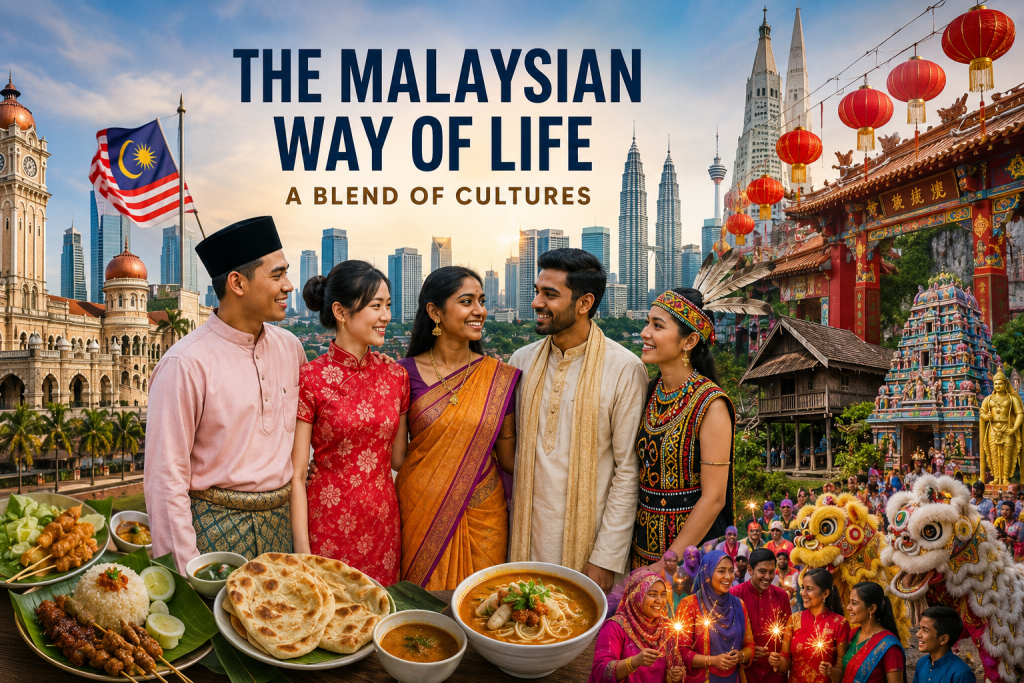
Malaysia is often described as a cultural melting pot, but for those who call the country home, diversity is more than a slogan—it is a way of life. Home to Malays, Chinese, Indians, and numerous indigenous communities, Malaysia has built a unique society where different cultures, languages, religions, and traditions coexist while maintaining their distinct identities.
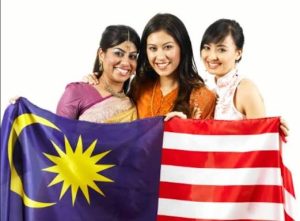
From bustling cities to rural villages, multiculturalism shapes everyday life. It can be seen in the food Malaysians eat, the festivals they celebrate, the languages they speak, and the friendships they form. This rich cultural tapestry is one of the nation’s greatest strengths and a defining characteristic of the Malaysian way of life.

The Malay community, which forms the majority of the population, contributes significantly to the country’s traditions, customs, and national identity. Islam plays an important role in Malay culture, influencing celebrations such as Hari Raya Aidilfitri and Hari Raya Haji. Traditional arts, music, and cuisine continue to thrive alongside modern lifestyles.
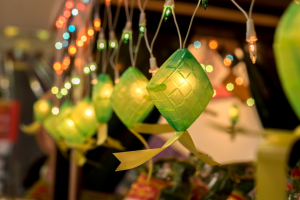
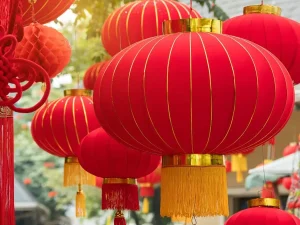
The Chinese community has also played a vital role in Malaysia’s development, particularly in business, education, and commerce. Chinese cultural traditions remain vibrant through festivals such as Chinese New Year, the Mid-Autumn Festival, and various cultural celebrations. Family values, entrepreneurship, and community ties are central aspects of Chinese Malaysian life.
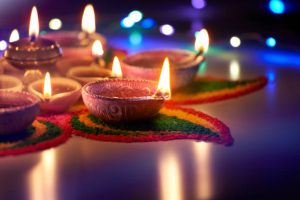
Meanwhile, the Indian community enriches Malaysia with its colourful traditions, cuisine, and religious practices. Festivals such as Deepavali are celebrated nationwide, bringing people together in a spirit of joy and unity. Indian culture has left a lasting impact on Malaysia’s culinary landscape, language, arts, and social fabric.
Beyond Peninsular Malaysia, the indigenous communities of Sabah and Sarawak add another important dimension to the nation’s diversity. Groups such as the Iban, Bidayuh, Kadazan-Dusun, Orang Ulu, and many others preserve unique languages, customs, and cultural heritage. Celebrations such as Gawai Dayak and Kaamatan showcase the rich traditions of these communities while attracting participation from Malaysians of all backgrounds.

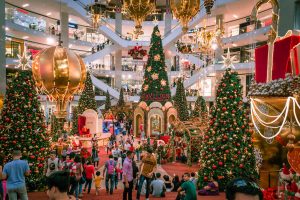
One of the most remarkable aspects of Malaysian society is the way different communities interact and share in each other’s celebrations. During festive seasons, it is common for Malaysians to visit friends and neighbours of different ethnicities through the tradition of open houses. Whether it is Hari Raya, Chinese New Year, Deepavali, Christmas, Gawai, or Kaamatan, these gatherings foster mutual understanding and strengthen social bonds.
Food is perhaps the most visible symbol of Malaysia’s multicultural identity. A single meal can reflect influences from multiple cultures. Malaysians regularly enjoy dishes such as nasi lemak, char kway teow, roti canai, satay, laksa, and banana leaf rice, regardless of their ethnic background. Hawker centres, food courts, and restaurants serve as meeting places where people from all walks of life come together.

Language further reflects the country’s diversity. While Bahasa Malaysia serves as the national language and unifying medium, many Malaysians are multilingual, speaking English, Mandarin, Tamil, indigenous languages, and various Chinese dialects. This linguistic diversity enables communication across communities and contributes to Malaysia’s global outlook.

As Malaysia continues to modernise, its multicultural character remains one of its greatest assets. While challenges exist in any diverse society, Malaysians have consistently demonstrated the ability to find common ground through mutual respect, shared values, and a collective commitment to national harmony.

The Malaysian way of life is not about erasing differences; it is about celebrating them. It is a living example of how people from different backgrounds can coexist, contribute, and thrive together. In an increasingly interconnected world, Malaysia stands as a testament to the strength that comes from diversity and unity.

— MINUTESMY / SUGAN BALAN

Related News