KUALA LUMPUR: Fuel prices across Southeast Asia are trending upward as global crude oil costs climb, exposing stark differences in pricing systems among ASEAN nations. The divergence reflects varying subsidy policies, tax regimes, and levels of exposure to international energy markets. The increase comes against a backdrop of heightened geopolitical tensions in West Asia, which have disrupted supply chains and pushed benchmark crude prices beyond US$100 per barrel. Key shipping routes, particularly the Strait of Hormuz, have also been affected, adding further strain to global energy flows. These developments are placing pressure on domestic fuel pricing mechanisms across the region, revealing a widening gap between countries that rely heavily on subsidies and those that allow prices to fluctuate with global markets. Malaysia continues to maintain some of the lowest fuel prices in ASEAN due to sustained government subsidies. RON95 petrol remains capped at RM1.99 per litre, shielding consumers from international price volatility. Recently, Prime Minister Datuk Seri Anwar Ibrahim announced a temporary revision to the Budi MADANI RON95 (BUDI95) programme, reducing the monthly quota from 300 litres to 200 litres effective April 1. Despite this adjustment, the subsidised price will remain unchanged. In Indonesia, subsidised fuel prices range between IDR12,000 and IDR12,390 (RM2.91–RM2.93) per litre, reflecting continued reliance on government support. However, analysts caution that prolonged high global prices could strain public finances. Singapore, on the other hand, continues to record the highest petrol prices in the region at approximately S$3.42 (RM10.64) per litre. This is largely due to high taxation and policies designed to limit private vehicle ownership. Authorities there have indicated that fuel supplies remain stable for now, though the situation is being closely monitored. Meanwhile, Thailand, Vietnam, and the Philippines fall within a mid-range pricing group, with rates more closely aligned to global benchmarks. Thailand recently saw fuel prices rise following a reduction in subsidies, while Vietnam manages prices through periodic government reviews to reduce volatility. In the Philippines, a fully deregulated fuel market results in weekly price adjustments, leaving consumers more directly affected by global price movements. Cambodia and Laos are among the most vulnerable, with petrol prices exceeding US$1.10 (RM4.41) per litre due to heavy reliance on imported refined fuel. Limited domestic refining capacity makes both countries particularly sensitive to supply disruptions and currency fluctuations. In Cambodia, fuel costs have surged sharply in recent weeks. Diesel prices have jumped by more than 80 percent since late February, reaching 7,100 riel (RM7.10) per litre, up from 3,750 riel (RM3.80). Regular gasoline has also risen significantly to 5,450 riel (RM5.50) per litre. Liquefied petroleum gas is currently priced at 3,200 riel (RM3.20) per litre, according to official data. As global uncertainties persist, ASEAN governments are expected to face increasing scrutiny over their fuel pricing strategies, particularly in balancing fiscal sustainability with the need to cushion consumers from rising living costs. -- Minutes MY / Igneseous Noris

ASEAN Fuel Prices Rise Amid Global Oil Surge, Highlighting Policy Gaps Across Region

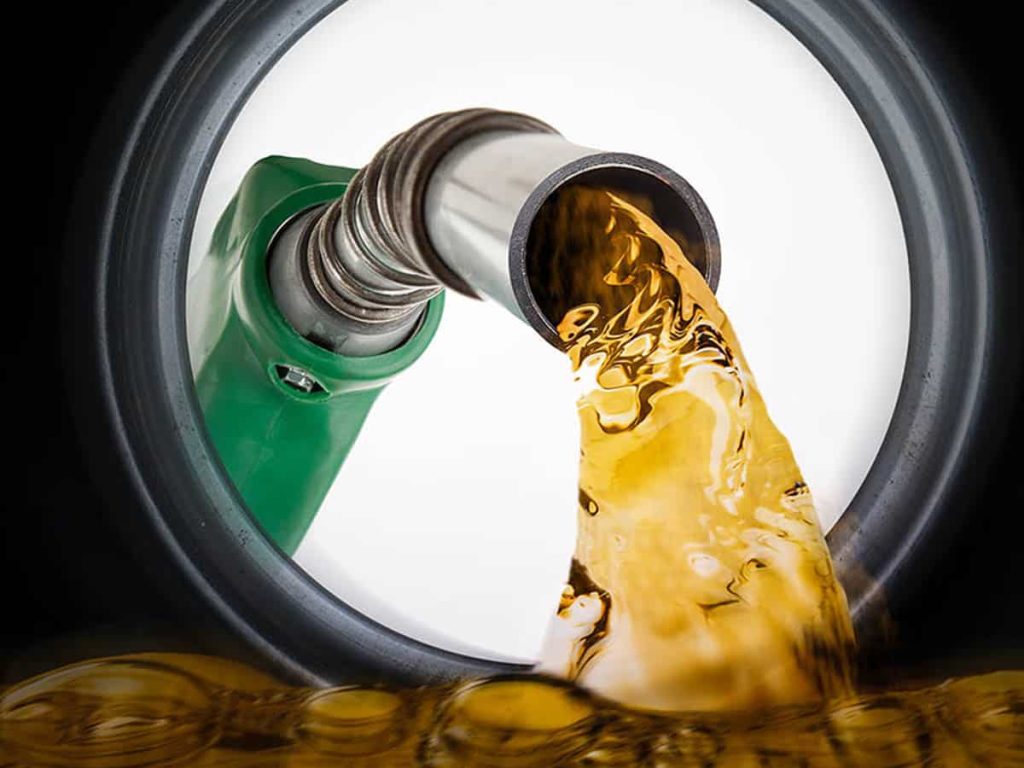
KUALA LUMPUR: Fuel prices across Southeast Asia are trending upward as global crude oil costs climb, exposing stark differences in pricing systems among ASEAN nations. The divergence reflects varying subsidy policies, tax regimes, and levels of exposure to international energy markets.

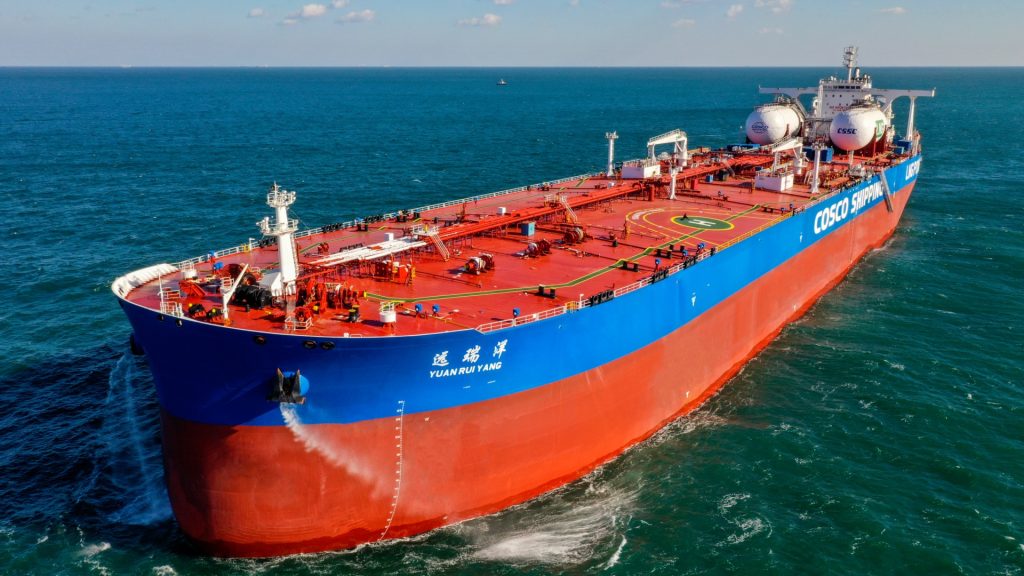
The increase comes against a backdrop of heightened geopolitical tensions in West Asia, which have disrupted supply chains and pushed benchmark crude prices beyond US$100 per barrel. Key shipping routes, particularly the Strait of Hormuz, have also been affected, adding further strain to global energy flows.

These developments are placing pressure on domestic fuel pricing mechanisms across the region, revealing a widening gap between countries that rely heavily on subsidies and those that allow prices to fluctuate with global markets.

Malaysia continues to maintain some of the lowest fuel prices in ASEAN due to sustained government subsidies. RON95 petrol remains capped at RM1.99 per litre, shielding consumers from international price volatility.

Recently, Prime Minister Datuk Seri Anwar Ibrahim announced a temporary revision to the Budi MADANI RON95 (BUDI95) programme, reducing the monthly quota from 300 litres to 200 litres effective April 1. Despite this adjustment, the subsidised price will remain unchanged.

In Indonesia, subsidised fuel prices range between IDR12,000 and IDR12,390 (RM2.91–RM2.93) per litre, reflecting continued reliance on government support. However, analysts caution that prolonged high global prices could strain public finances.

Singapore, on the other hand, continues to record the highest petrol prices in the region at approximately S$3.42 (RM10.64) per litre. This is largely due to high taxation and policies designed to limit private vehicle ownership. Authorities there have indicated that fuel supplies remain stable for now, though the situation is being closely monitored.

Meanwhile, Thailand, Vietnam, and the Philippines fall within a mid-range pricing group, with rates more closely aligned to global benchmarks. Thailand recently saw fuel prices rise following a reduction in subsidies, while Vietnam manages prices through periodic government reviews to reduce volatility.

In the Philippines, a fully deregulated fuel market results in weekly price adjustments, leaving consumers more directly affected by global price movements.

Cambodia and Laos are among the most vulnerable, with petrol prices exceeding US$1.10 (RM4.41) per litre due to heavy reliance on imported refined fuel. Limited domestic refining capacity makes both countries particularly sensitive to supply disruptions and currency fluctuations.

In Cambodia, fuel costs have surged sharply in recent weeks. Diesel prices have jumped by more than 80 percent since late February, reaching 7,100 riel (RM7.10) per litre, up from 3,750 riel (RM3.80). Regular gasoline has also risen significantly to 5,450 riel (RM5.50) per litre.

Liquefied petroleum gas is currently priced at 3,200 riel (RM3.20) per litre, according to official data.

As global uncertainties persist, ASEAN governments are expected to face increasing scrutiny over their fuel pricing strategies, particularly in balancing fiscal sustainability with the need to cushion consumers from rising living costs.

— Minutes MY / Igneseous Noris

Related News