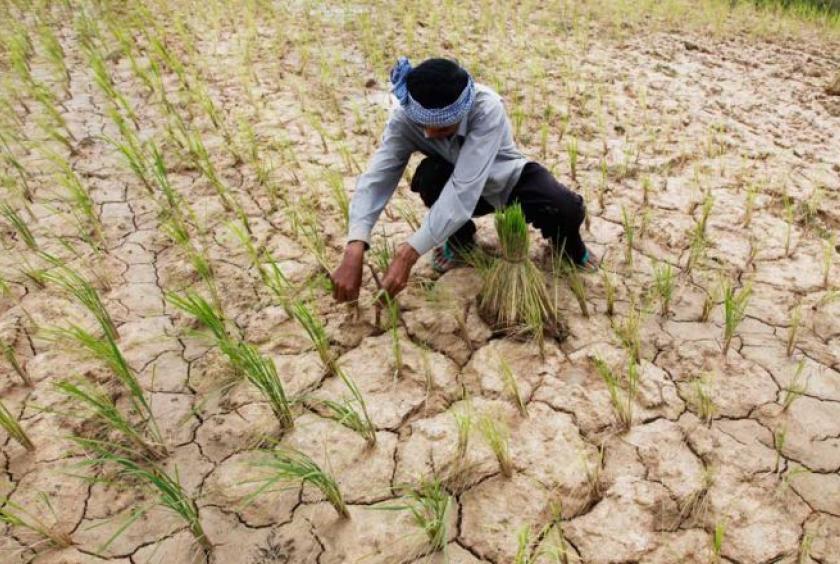
PHNOM PENH, October 28, 2026 — Cambodian farmers are facing growing challenges from droughts, floods and extreme heat. These conditions are threatening crops, livestock and rural livelihoods.
El Niño reduced rainfall by almost 50 per cent early in the season. As a result, some rice fields dried up in July. Heavy rain in September later caused flooding in several agricultural areas.
Farmers in northern Cambodia have been among those affected. Some areas, including Battambang and Banteay Meanchey, continue to face flash floods.
Son Sotha, chief executive of the Cambodian Farmer Federation Association, said farmers remain vulnerable to changing weather conditions. He added that farmers typically lose around 10 per cent of their expected harvests.
Livestock producers are also facing challenges. Low market prices and competition from cheaper imported meat are putting pressure on local producers.
Many rural families now raise chickens and pigs throughout the year. This helps them earn extra income. However, cheaper imports continue to affect their earnings.
ADB Approves US$72 Million for Farmers
The Asian Development Bank (ADB) has approved US$72 million in financing to support Cambodia’s rural agricultural sector.
The programme aims to benefit around 200,000 smallholder farmers in disaster-prone areas. It will also promote women’s participation in agriculture.
ADB Country Director for Cambodia Yasmin Siddiqi said supporting smallholder farmers is important for rural communities. She highlighted the need to invest in women and vulnerable groups.
The programme also aims to support women-led businesses. In addition, it seeks to improve local decision-making and strengthen agricultural supply chains.
Droughts and Floods Threaten Food Security
Cambodia faces risks from both droughts and floods. Many communities live near the Mekong and Tonle Sap rivers. Some farmers also depend heavily on rainfall because irrigation facilities are limited.
These conditions can damage crops and disrupt food supplies. Floods and droughts can also damage infrastructure and limit access to markets.
Women account for about 51 per cent of Cambodia’s agricultural workforce. However, many still face barriers to financing and business opportunities.
Agriculture contributes around 16 per cent of Cambodia’s gross domestic product (GDP). This makes the sector important to the country’s economy and rural employment.
The 2024 INFORM Risk Index ranked Cambodia as the world’s fourth most flood-exposed country. The finding highlights the risks facing communities near the Mekong and Tonle Sap river basins.
El Niño conditions are expected to continue until February 2027, according to the report. Therefore, continued support for farmers will be important.
Better preparation can help rural communities manage climate risks. It can also protect livelihoods and strengthen food security.
Source: BERNAMA | Rewritten By Minutesmy