KUALA LUMPUR, Nov 12 – The Ministry of Domestic Trade and Cost of Living (KPDN) has deactivated 211 companies from the eCOSS system for failing to follow rules on subsidised cooking oil distribution and sales.
The action took effect as of October 30, 2026. The ministry also recorded eight cases involving the sale and purchase of subsidised packet cooking oil by non-citizens since new regulations came into force on March 1.
According to KPDN, these measures aim to protect subsidised cooking oil supplies and ensure that eligible Malaysians receive the assistance.
The ministry shared the figures in a written parliamentary reply published on Thursday. It responded to a question from Aminolhuda Hassan, the Member of Parliament for Sri Gading, about eCOSS implementation and efforts to reduce subsidy leakages.
eCOSS Strengthens Cooking Oil Distribution Controls
KPDN said the eCOSS system allows authorities to monitor the distribution chain and track transactions involving subsidised cooking oil.
The system also uses electronic Know Your Customer (eKYC) technology and MyDigital ID to verify users’ identities.
In addition, the government has introduced a Cooking Oil Distribution Zoning Mechanism. It has also limited purchases to three packets per transaction.
These measures aim to improve supply monitoring and prevent misuse. They also help authorities identify unusual transactions across the distribution network.
MyKad Verification Could Make Purchases Easier
However, KPDN acknowledged that digital systems should not make it difficult for certain groups to access subsidised cooking oil.
Elderly consumers and people living in rural areas may face challenges when using digital services. Therefore, the ministry plans to improve and simplify the purchasing process.
One measure involves integrating eCOSS with the Sumbangan Asas Rahmah (SARA) programme and the National Registration Department (JPN).
This integration would allow consumers to use their MyKad for identity verification when purchasing subsidised cooking oil.
KPDN will also assess the effectiveness of the digital system before considering its use for other subsidised goods.
Subsidy Leakages Result in RM82.85 Million in Seizures
Meanwhile, KPDN recorded 5,893 cases involving the leakage and misuse of diesel, petrol and cooking oil nationwide between January 2023 and October 31, 2026.
Authorities seized goods worth a total of RM82.85 million during the period.
Diesel-related offences accounted for 2,763 cases, with seizures valued at RM59.67 million. Petrol cases reached 1,722, involving RM5.43 million in seized goods.
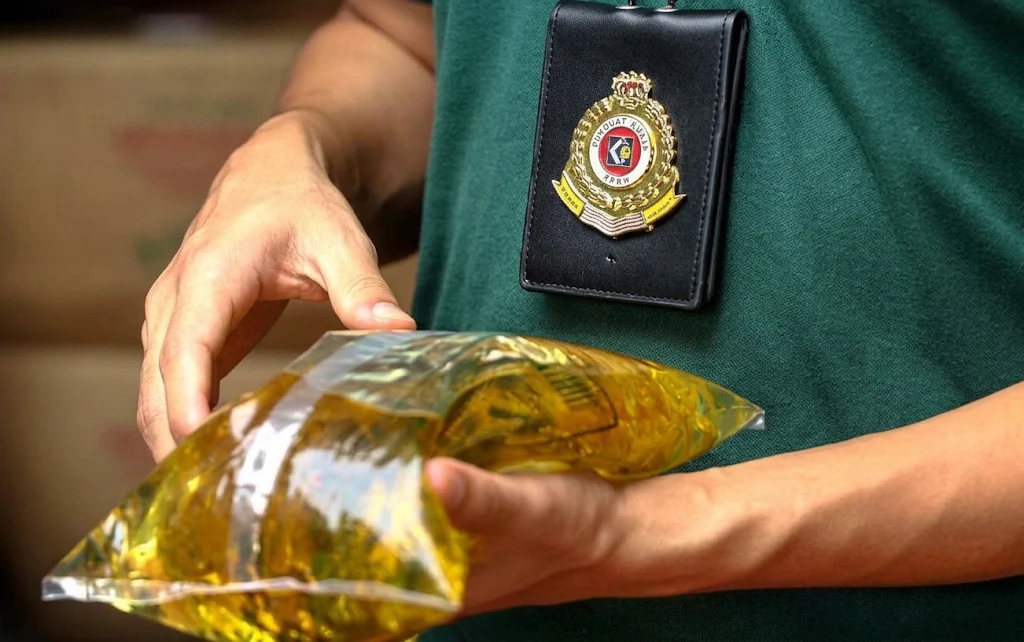
Another 1,408 cases involved subsidised packet cooking oil. The seized items in these cases were worth RM17.74 million.
KPDN to Strengthen Enforcement
KPDN said it would continue strengthening enforcement through intelligence-led operations, data analysis and closer monitoring.
The ministry will also work with other government agencies to tackle subsidy misuse.
These efforts include Ops Tiris 4.0 (Bersepadu), which began on March 16, 2026.
The government aims to ensure that public subsidies reach the intended recipients while reducing losses caused by illegal activities and distribution violations.
Source : BERNAMA | Rewritten By Minutesmy