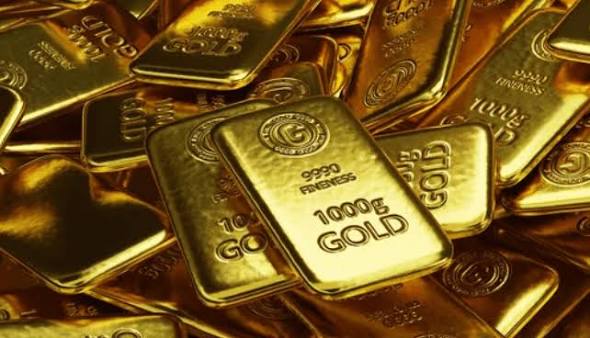
Global Markets | October 26 2026, Gold prices have fallen below US$4,000 an ounce, raising questions about the precious metal’s traditional role as a safe-haven asset during periods of economic uncertainty.
The decline came as investors reassessed their investment strategies, with some shifting towards US government bonds instead of gold. The metal recorded a weekly loss of around 3.3%, marking its weakest performance since July, according to a report by Sinar Harian published by Astro Awani.
The fall is notable because it comes amid continuing concerns over geopolitical tensions, economic uncertainty and developments in the artificial intelligence (AI) sector.
Why Are Gold Prices Falling?
Gold is often viewed as a store of value during periods of market instability. However, recent price movements suggest that investors are weighing other factors when deciding where to place their money.
One major influence is the changing outlook for US monetary policy.
Earlier expectations that the US Federal Reserve would cut interest rates have shifted, with investors increasingly considering the possibility that rates could remain elevated or rise again if inflationary pressures persist.
Higher interest rates can make government bonds more attractive because they offer interest income. Gold, by comparison, does not generate interest or dividends, which can reduce its appeal when other assets offer more competitive returns.
Profit-Taking Adds to Market Pressure
Gold also experienced a significant rally last year, with prices reaching record levels above US$5,400 an ounce in January, according to the report.
As prices climbed, some traders entered the market to benefit from short-term gains. When investors began selling to secure profits, the resulting pressure contributed to gold’s loss of momentum.
The US$4,000 level has now become an important point for market participants to watch. If prices continue to close below this level, further selling could follow, including from investors reducing their holdings in gold-backed exchange-traded funds (ETFs).
Such movements could place additional pressure on prices in the short term.
Gold Mining Stocks Also Feel the Impact
The downturn has affected more than the gold market itself. Shares in several major mining companies have also come under pressure as investors reduce their exposure to the sector.
This illustrates how movements in gold prices can influence related investments, including mining businesses whose performance is linked to the value of the metal.
What Could Support Gold Prices?
Despite the recent decline, several factors could continue to support gold demand over the longer term.
These include geopolitical uncertainty, concerns about global inflation, rising government debt and continued gold purchases by central banks.
Central banks’ ongoing interest in gold suggests that the metal remains part of longer-term reserve strategies, even as short-term investors respond to changing market conditions.
Some fund managers and market analysts believe the latest decline could be temporary. However, a recovery is not guaranteed, and gold prices may remain volatile as investors monitor inflation, interest-rate expectations and global developments.
Is the Gold Price Drop a Buying Opportunity?
For some investors, lower prices may offer an opportunity to consider buying gold at a reduced cost. Others may prefer to wait until there are clearer signs that the market has stabilised.
The key question is whether the current decline represents a temporary correction or a more prolonged period of weakness.
For now, gold faces competing pressures: higher potential returns from interest-bearing assets on one side, and continued demand for protection against economic and geopolitical risks on the other.
Investors should assess their financial goals, risk tolerance and investment timeframe before making decisions, as falling prices do not guarantee future gains.
Source: Awani | Rewritten By: Minutesmy
Picture Credit : Mitrade