KUALA LUMPUR, August 4 2026– Malaysia has shouldered a significant share of the region’s refugee responsibility for decades despite not being a party to the 1951 Refugee Convention, according to international law expert Prof Dr Salawati Mat Basir.
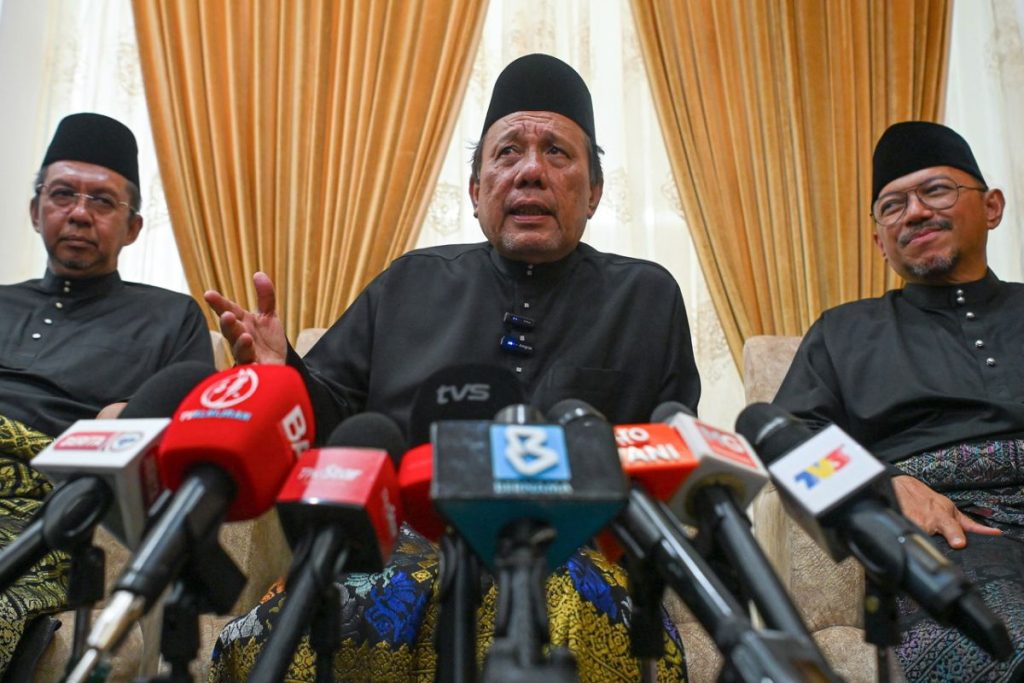
Speaking on the Bernama World programme on the topic ‘Malaysia’s New Approach to Refugee Management’, recently, she said the situation had been further affected, among other factors, by limited third-country resettlement opportunities.
“Malaysia has hosted these communities for about 40 years, while resettlement to third countries has slowed because many developed countries have reduced their intake or closed their borders,” she said.
Salawati stressed that Malaysia should not be expected to manage the consequences of the crisis alone.
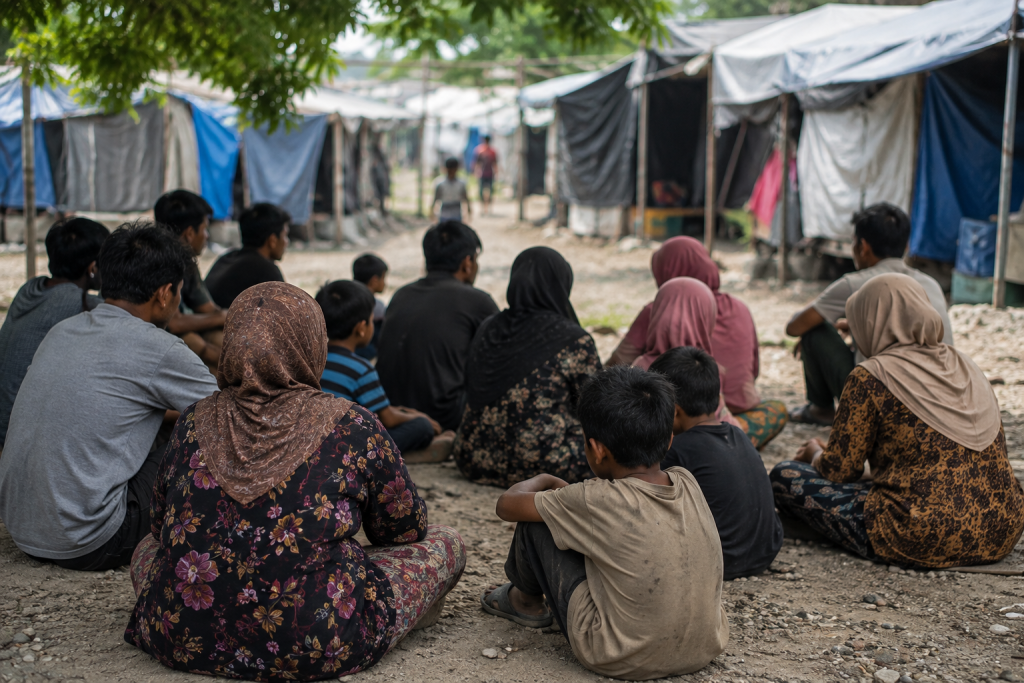
According to United Nations High Commissioner for Refugees (UNHCR) figures as of the end of February 2026, Malaysia hosted about 215,600 registered refugees and asylum seekers, including 193,824 people from Myanmar.
Of that number, about 126,144 were Rohingya.
According to media reports, Malaysian authorities have begun identifying and screening Myanmar nationals held at immigration depots for possible repatriation under an arrangement for Myanmar to receive up to 5,000 people.
“Myanmar must do more because it is the root cause of the displacement. It must ensure that any repatriation is safe, voluntary and dignified before Malaysia can send anyone back,” she said.
However, she said uncertainty remained over whether the arrangement would include Rohingya refugees, as official statements had differed on whether it applied only to Myanmar citizens recognised by the authorities in Naypyidaw.
“When it was announced that 5,000 Myanmar nationals would be accepted, many assumed they would be Rohingya. However, this has not been clearly confirmed, and that remains an important question,” she said.
The Malaysian government has introduced several measures to strengthen refugee management, including the government-led Dokumen Pendaftaran Pelarian (DPP) or Digital Refugee Registration Document, the temporary suspension of new UNHCR registrations and proposed joint screening involving Malaysian authorities.
Salawati said Malaysia, as a sovereign state, had the right to impose conditions under which international organisations operate within its territory.
The Universiti Kebangsaan Malaysia law professor said Malaysia was not bound by the Refugee Convention and had no formal Host Country Agreement governing UNHCR’s operations, which had continued through administrative arrangements and diplomatic understanding.
She said Malaysia should consider expediting a formal agreement to clearly define UNHCR’s responsibilities, limitations and relationship with the government.
Such an agreement, she said, should require UNHCR personnel and operations to comply with the Federal Constitution, immigration laws and national security requirements while ensuring government oversight of refugee status determination and access to registration records.
“The UNHCR data must feed directly into Malaysia’s registration and national security databases to eliminate unverified identities or duplicate registrations,” she said.
Salawati described the DPP as a significant shift from a system largely administered by an international agency to one under direct national supervision.
She said a centralised database would help address security and intelligence gaps, strengthen police and immigration screening and curb the circulation of fraudulent refugee documents.
UNHCR has also described the initiative as an important step towards a nationally owned approach to forced displacement.
Nevertheless, Salawati cautioned that tighter enforcement must distinguish genuine refugees fleeing persecution from individuals abusing refugee documentation.
Those with legitimate refugee status, she said, must continue to receive protection in accordance with humanitarian and human rights principles.
Salawati also called for greater regional and international responsibility, saying frontline host countries such as Malaysia should not be left to manage the consequences of displacement largely on their own.
She said ASEAN should use its diplomatic weight to encourage Myanmar to address the conditions forcing people to flee and create an environment in which displaced communities to return safely.
Myanmar remains an ASEAN member despite being excluded from the grouping’s highest-level political meetings following the military takeover in 2021.
Salawati added that developed countries must increase resettlement opportunities, as limited quotas and slow processing had contributed to the prolonged stay of many refugees in transit countries.
Her remarks come amid renewed public debate over the Rohingya issue in Malaysia, with recent discussions on social media prompting calls from some quarters for their expulsion and reigniting concerns over hate speech and discrimination.
— BERNAMA