PETALING JAYA: Malaysia should avoid viewing China’s new military facility in Laos as a threat before gaining a clearer understanding of its intended purpose, says a foreign policy analyst.
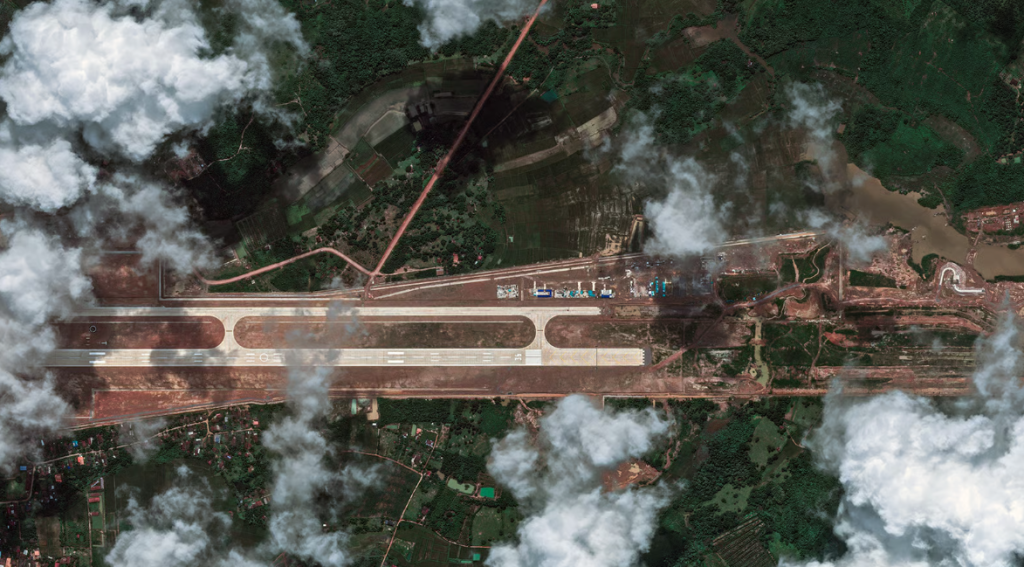
China announced this week that a joint military support and training centre about 50km north of Vientiane had become operational.
The facility includes an airfield and an aviation academy, which Beijing says will be used to train Lao air force pilots.
Bait Al Amanah research officer Thaha Albana Turmuzi said there was still insufficient information about the facility and the nature of China’s military presence there.
He said Malaysia could seek further details from Laos through diplomatic and Asean channels, particularly on whether Chinese troops would be permanently stationed at the facility and the extent of their access.
“The priority should be greater transparency rather than publicly pressuring Laos over its ties with China,” he said.
“Malaysia should first treat this as a sovereign bilateral arrangement between Laos and China rather than automatically interpreting it as a threat,” he told FMT.
Thaha said Malaysia should also closely monitor how the arrangement develops, particularly if military and infrastructure cooperation between China and Laos expands.
He said the issue would become more significant for Malaysia and Asean if other countries in the region began hosting Chinese military facilities.
China also operates a joint training and support centre at Cambodia’s Ream naval base, giving Beijing access to the Gulf of Thailand and the broader South China Sea.
The centre, inaugurated last year, is China’s first overseas naval joint facility in the region.
Meanwhile, ISIS Malaysia senior fellow Thomas Daniel said it remained unclear what additional military advantage China would gain from the Laos facility, given that Laos already shares a border with China’s Yunnan province.
Daniel said the facility appeared to represent a smaller but deliberate step towards strengthening China’s defence ties and political influence with friendly countries in the region.
He said the larger concern for Asean was whether the regional grouping could avoid being divided by the growing strategic rivalry between China and the United States.
“If China is set on further increasing its military footprint in the region, where the US is already present via semi-permanent or visiting deployments, then it is a question that just gets more complicated for Asean,” he said.
-FMT