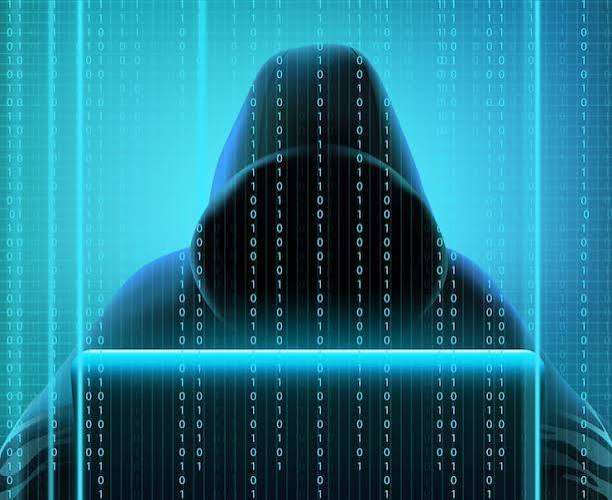
KUALA LUMPUR, Nov 9 – Malaysia must strengthen its cybersecurity defences against organised hacker groups linked to foreign governments, the Malaysia Cyber Consumer Association (MCCA) has warned.
MCCA president Siraj Jalil said these groups could break into computer networks, steal sensitive information and disrupt essential public services.
He explained that some groups allegedly receive financial or operational support from specific entities. They use these resources to launch large-scale cyberattacks against organisations and other countries.
Foreign Hacker Groups Pose Growing Risks
Siraj identified North Korea-linked Lazarus Group as one of the prominent cyber threat groups.
The group has been linked to several international hacking incidents, including attacks targeting financial institutions and cryptocurrency platforms.
He also highlighted Advanced Persistent Threat (APT) groups linked to Russia and other countries.
These groups can secretly enter computer systems and remain undetected for long periods. During that time, they may steal information or disrupt important operations.
Malaysia Raises National Cyber Threat Level
Siraj welcomed the National Cyber Security Agency’s (NACSA) decision to raise Malaysia’s National Cyber Security Threat Level from Low to Moderate.
He said the move reflects the government’s efforts to prepare the country for possible cyber incidents.
However, he stressed that the higher alert level should not cause public panic. Instead, it serves as a precaution to strengthen readiness and protect the country’s digital infrastructure.
Siraj also said Malaysia has built a stronger cybersecurity foundation through cooperation between the government, industry players and cybersecurity professionals.
The Cyber Security Act 2024 also supports these efforts by strengthening the country’s approach to managing cyber risks.
Cyberattacks Increasingly Linked to Global Conflicts
According to Siraj, cyberattacks have become part of modern geopolitical conflicts.
Countries and opposing groups can use digital attacks to target another nation’s infrastructure, networks and essential services.
He warned that attackers may hide their identities by using anonymous groups or third parties. As a result, identifying direct links to a foreign government can be difficult.
Malaysia’s cybersecurity efforts involve several agencies. These include NACSA, CyberSecurity Malaysia, the Royal Malaysia Police, the Malaysian Armed Forces and the Personal Data Protection Department.
Earlier, Prime Minister Datuk Seri Anwar Ibrahim said Malaysia could become a target for cyberattacks because of its growing digital infrastructure and data centres.
He also cited the government’s firm positions on international issues, particularly Palestine and Gaza, as possible factors that could increase the country’s exposure to cyber threats.
Siraj said continued cooperation and stronger preparedness remain important to protect Malaysia’s digital systems and essential services.
Source : BERNAMA | Rewritten By Minutesmy