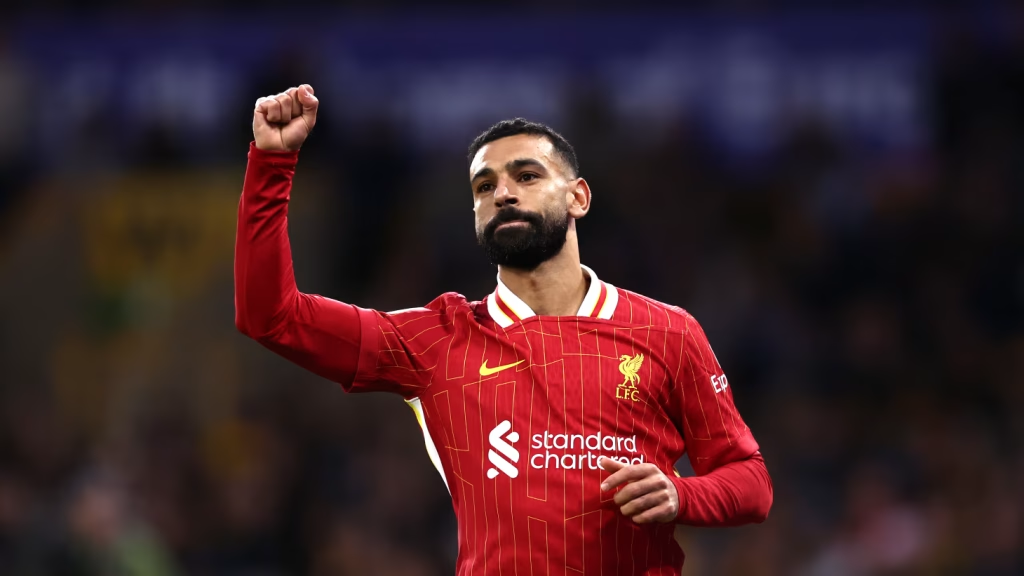
There are great players. There are legends. And then there are players who permanently redefine the identity of a football club. Mohamed Salah was never just another forward for Liverpool. He became the face of Liverpool’s modern revival; the symbol of an era that transformed the club from hopeful contenders into one of Europe’s most feared football institutions once again. Now, as Salah prepares to leave Anfield at the end of the season, it feels less like a normal transfer and more like the closing chapter of an epic story that lasted nearly a decade. And one enormous question now hangs over Liverpool Football Club: Are Liverpool truly ready to live without Mohamed Salah? From “Chelsea Reject” to King of Merseyside Many people forget that Salah’s first spell in English football was widely viewed as a failure. During his time at Chelsea, he struggled for opportunities, failed to fully adapt to the intensity of the Premier League, and was often dismissed as a player who simply was not ready for English football. In modern football, many careers never recover from that label. But Salah chose the difficult path instead of the easy one. He rebuilt himself in Italy, first with Fiorentina and later with AS Roma, where he evolved into a devastating attacking weapon; direct, explosive, clinical, and terrifying in transition. Even then, few expected what would happen next. When Liverpool signed Salah in 2017 under Jürgen Klopp, skepticism surrounded the deal. Many believed the transfer fee was too high for a player they considered “just another fast winger.” That judgment aged horribly. Because Salah did not merely become good. He became a phenomenon. The Arrival That Changed Liverpool Forever Salah’s first season at Liverpool was absurd. Goals arrived every week. Records disappeared constantly. Premier League defenses were torn apart by his movement, finishing, and relentless attacking intelligence. He was not a traditional winger. He was a statistical machine. Almost immediately, Salah transformed Liverpool into something entirely different. Klopp’s aggressive, high-pressing system suddenly had the perfect final piece on the right flank. The trio of Mohamed Salah, Sadio Mané, and Roberto Firmino became one of the most feared attacking combinations of the modern Premier League era. But brutally speaking, Salah was the primary output of that system. While other players experienced fluctuations in form, Salah almost always delivered the same things consistently: goals, assists and constant attacking danger. That is what separates elite players from legends. Consistency. The End of an Era This final season feels different. Salah still remains dangerous. Still decisive. Still capable of changing games within seconds. But there is also the unmistakable feeling of fatigue surrounding a generation that has spent years competing at the highest possible level. Liverpool themselves are entering a major transition: Jürgen Klopp is leaving, the structure of the squad is changing, a new generation is emerging, and the club’s identity is slowly being rebuilt. Salah appears to understand this perfectly. Instead of staying too long and allowing decline to damage his legacy, he seems prepared to leave while still operating at an elite level. Historically, many football legends remain at clubs long enough for supporters to remember the decline more than the greatness. Salah appears determined not to let that happen. And that may be one of the smartest decisions of his career. The Tragic Greatness of Liverpool’s Klopp Era Perhaps the biggest debate surrounding this Liverpool generation is whether they should have won far more than they actually did. The unfortunate reality is that Liverpool existed during the era of Pep Guardiola and Manchester City, a machine-like football empire that constantly pushed the standards of English football to impossible levels. In another era, this Liverpool side may have: won multiple Premier League titles, built a true dynasty, and been universally recognised as one of the greatest teams in football history. Instead, history will only see the trophies, not the context behind them. And that makes the Salah era feel slightly tragic despite its brilliance. Is Mohamed Salah Liverpool’s Greatest Modern Player? Statistically, the argument is extremely strong. In terms of impact, it may be even stronger. Salah did not simply score goals for Liverpool. He helped restore the club to European football’s elite level once again. He: ended Liverpool’s long Premier League title drought, helped deliver the UEFA Champions League, elevated the standards of the entire club, and turned Liverpool back into a team feared across Europe. For many supporters, he became the defining face of modern Liverpool itself. Liverpool After Salah Could Be Dangerous — And Not in a Good Way Replacing Mohamed Salah is not as simple as signing another winger. Liverpool are not just losing goals. They are losing: leadership, durability, consistency, fear factor, and an almost guaranteed source of elite attacking production. Football today is filled with talented players. But players capable of delivering world-class output for nearly an entire decade are extraordinarily rare. That is legendary territory. And Liverpool’s biggest challenge may not be finding another talented forward. It may be accepting that players like Salah do not appear often within a single generation. What Comes Next for Salah? Many expect Salah’s next destination to be Saudi Arabia, where massive financial projects continue attracting football’s biggest global stars. And honestly, he no longer has anything left to prove. His legacy is already complete. He arrived in England as a player once considered a failure. He leaves as one of the greatest players in Premier League history. That transformation alone is extraordinary. The End of Liverpool’s Modern Identity Mohamed Salah leaving Liverpool is not merely the departure of a footballer. It represents the ending of an entire Liverpool identity. An identity built upon: relentless high pressing, lightning-fast attacks, chaotic European nights at Anfield, and a team capable of frightening the biggest clubs in world football. Salah became the face of that era. And when he leaves, Liverpool will not simply lose a forward. They will lose a symbol. Which is why the biggest question facing Liverpool today is no longer: “Who replaces Mohamed Salah?” But rather: “Will Liverpool ever find another player like him again within this generation?” -- MINUTESMY / SUGAN BALAN
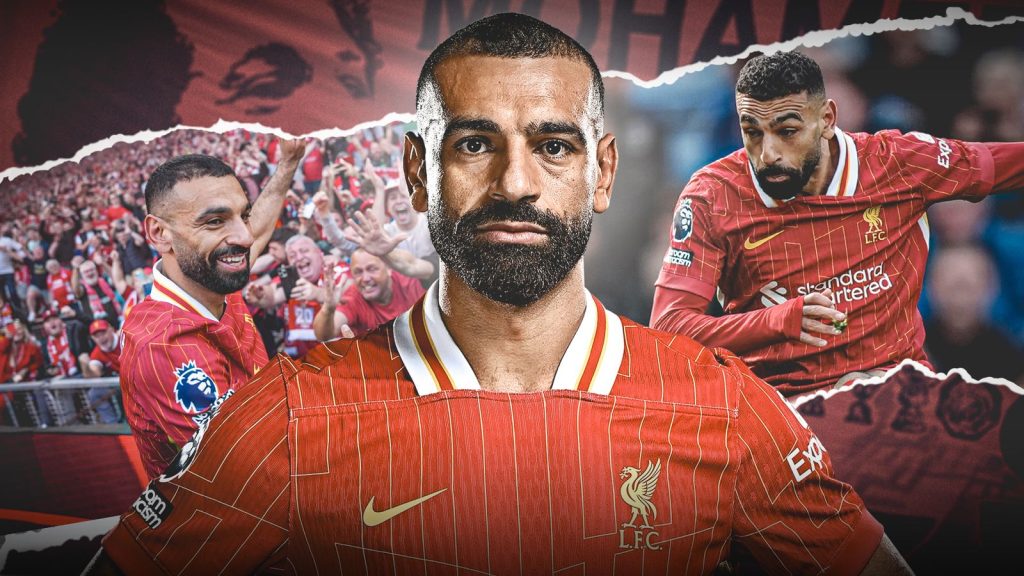
Mohamed Salah’s Departure Marks the End of Liverpool’s Modern Identity

There are great players. There are legends. And then there are players who permanently redefine the identity of a football club.

Mohamed Salah was never just another forward for Liverpool. He became the face of Liverpool’s modern revival; the symbol of an era that transformed the club from hopeful contenders into one of Europe’s most feared football institutions once again.

Now, as Salah prepares to leave Anfield at the end of the season, it feels less like a normal transfer and more like the closing chapter of an epic story that lasted nearly a decade.

And one enormous question now hangs over Liverpool Football Club:

Are Liverpool truly ready to live without Mohamed Salah?

From “Chelsea Reject” to King of Merseyside

Many people forget that Salah’s first spell in English football was widely viewed as a failure.

During his time at Chelsea, he struggled for opportunities, failed to fully adapt to the intensity of the Premier League, and was often dismissed as a player who simply was not ready for English football.

In modern football, many careers never recover from that label.

But Salah chose the difficult path instead of the easy one.

He rebuilt himself in Italy, first with Fiorentina and later with AS Roma, where he evolved into a devastating attacking weapon; direct, explosive, clinical, and terrifying in transition.

Even then, few expected what would happen next.

When Liverpool signed Salah in 2017 under Jürgen Klopp, skepticism surrounded the deal. Many believed the transfer fee was too high for a player they considered “just another fast winger.”

That judgment aged horribly.

Because Salah did not merely become good.

He became a phenomenon.

The Arrival That Changed Liverpool Forever

Salah’s first season at Liverpool was absurd.

Goals arrived every week. Records disappeared constantly. Premier League defenses were torn apart by his movement, finishing, and relentless attacking intelligence.

He was not a traditional winger.

He was a statistical machine.

Almost immediately, Salah transformed Liverpool into something entirely different. Klopp’s aggressive, high-pressing system suddenly had the perfect final piece on the right flank.

The trio of Mohamed Salah, Sadio Mané, and Roberto Firmino became one of the most feared attacking combinations of the modern Premier League era.

But brutally speaking, Salah was the primary output of that system.

While other players experienced fluctuations in form, Salah almost always delivered the same things consistently:

  • goals,
  • assists
  • and constant attacking danger.

That is what separates elite players from legends.

Consistency.

The End of an Era

This final season feels different.

Salah still remains dangerous. Still decisive. Still capable of changing games within seconds.

But there is also the unmistakable feeling of fatigue surrounding a generation that has spent years competing at the highest possible level.

Liverpool themselves are entering a major transition:

  • Jürgen Klopp is leaving,
  • the structure of the squad is changing,
  • a new generation is emerging,
  • and the club’s identity is slowly being rebuilt.

Salah appears to understand this perfectly.

Instead of staying too long and allowing decline to damage his legacy, he seems prepared to leave while still operating at an elite level. Historically, many football legends remain at clubs long enough for supporters to remember the decline more than the greatness.

Salah appears determined not to let that happen.

And that may be one of the smartest decisions of his career.

The Tragic Greatness of Liverpool’s Klopp Era

Perhaps the biggest debate surrounding this Liverpool generation is whether they should have won far more than they actually did.

The unfortunate reality is that Liverpool existed during the era of Pep Guardiola and Manchester City, a machine-like football empire that constantly pushed the standards of English football to impossible levels.

In another era, this Liverpool side may have:

  • won multiple Premier League titles,
  • built a true dynasty,
  • and been universally recognised as one of the greatest teams in football history.

Instead, history will only see the trophies, not the context behind them.

And that makes the Salah era feel slightly tragic despite its brilliance.

Is Mohamed Salah Liverpool’s Greatest Modern Player?

Statistically, the argument is extremely strong.

In terms of impact, it may be even stronger.

Salah did not simply score goals for Liverpool. He helped restore the club to European football’s elite level once again.

He:

  • ended Liverpool’s long Premier League title drought,
  • helped deliver the UEFA Champions League,
  • elevated the standards of the entire club,
  • and turned Liverpool back into a team feared across Europe.

For many supporters, he became the defining face of modern Liverpool itself.

Liverpool After Salah Could Be Dangerous — And Not in a Good Way

Replacing Mohamed Salah is not as simple as signing another winger.

Liverpool are not just losing goals.

They are losing:

  • leadership,
  • durability,
  • consistency,
  • fear factor,
  • and an almost guaranteed source of elite attacking production.

Football today is filled with talented players.

But players capable of delivering world-class output for nearly an entire decade are extraordinarily rare.

That is legendary territory.

And Liverpool’s biggest challenge may not be finding another talented forward.

It may be accepting that players like Salah do not appear often within a single generation.

What Comes Next for Salah?

Many expect Salah’s next destination to be Saudi Arabia, where massive financial projects continue attracting football’s biggest global stars.

And honestly, he no longer has anything left to prove.

His legacy is already complete.

He arrived in England as a player once considered a failure.

He leaves as one of the greatest players in Premier League history.

That transformation alone is extraordinary.

The End of Liverpool’s Modern Identity

Mohamed Salah leaving Liverpool is not merely the departure of a footballer.

It represents the ending of an entire Liverpool identity.

An identity built upon:

  • relentless high pressing,
  • lightning-fast attacks,
  • chaotic European nights at Anfield,
  • and a team capable of frightening the biggest clubs in world football.   

Salah became the face of that era.

And when he leaves, Liverpool will not simply lose a forward.

They will lose a symbol.

Which is why the biggest question facing Liverpool today is no longer:

“Who replaces Mohamed Salah?”

But rather:

“Will Liverpool ever find another player like him again within this generation?”

— MINUTESMY / SUGAN BALAN

Related News