JOHOR BAHRU: The rate of resettlement to third countries by the United Nations High Commission for Refugees (UNHCR) is too low for refugees, including the Rohingya, which is one of the reasons why the group remains in the midst of local communities for a long time.
Home Minister Datuk Seri Saifuddin Nasution Ismail said that although the UNHCR has two essential tasks, namely registering refugees and finding third countries for resettlement, statistics show that the number of refugee cards issued by the body is far greater than the number of individuals successfully deported.
He said that as a result of this imbalance, Malaysia is now forced to face these issues, including the Rohingya ethnic group who are forced to live with the local community while awaiting their uncertain turn for resettlement.
“The UNHCR’s main task is to register, then find a third country. However, the success rate of placement in a third country is much smaller compared to the issuance of UNHCR cards by the agency itself. As a result, while waiting to be placed, these refugees are in the middle of society,” he said.
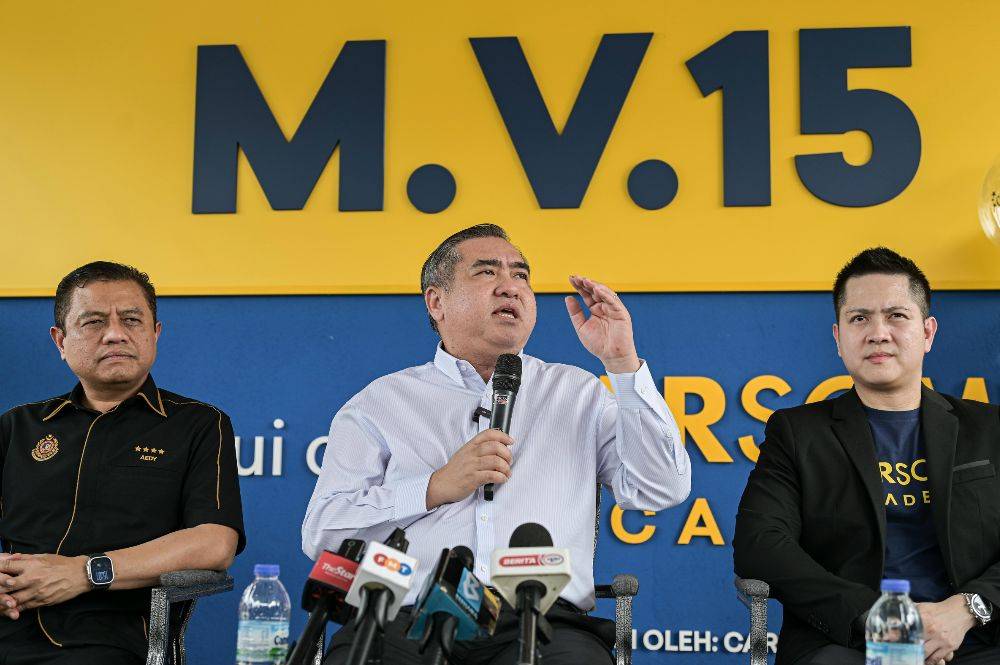
He said this to comment on the issue of the “Catch Rohingya Campaign” on social media, after attending the Drug-Free Aspiration Tour programme organised by the National Anti-Drug Agency (AADK) here.
Touching on the increasing temperature of the campaign and the insistence of netizens on social media who want strict action to be taken against the group, he said the community has the right to speak out because this issue directly affects the country’s economic, security and social aspects.
However, he said refugees have a different status from illegal immigrants (PATI) who can be directly taken action under the Immigration Act, given that the presence of these refugees is driven by conflict-pushing factors in their countries of origin.
Saifuddin Nasution said that to address the security implications of the situation, the government is now implementing its own data collection process and is no longer completely dependent on UNHCR data.
“When we have our own data, we can take enforcement action if there is any violation of national laws by this group. They are still subject to domestic laws and strict action will be taken if they violate national rules,” he said.
He said this issue was a legacy issue that had been going on for a long time and rejected the narrative of certain parties who were trying to place the blame for the refugee dumping entirely on the current government.
Saifuddin Nasution said the government was ready to manage this issue based on security considerations and humanitarian principles, while welcoming reasonable and constructive suggestions from academics and social activists to help resolve the crisis.
— BERNAMA