KUALA LUMPUR, 30 March 2026 — Malaysian small and medium enterprises (SMEs) are calling on the government to prioritise liquidity support in an upcoming stimulus package, as escalating conflict in the Middle East begins to disrupt operations and drive up costs.
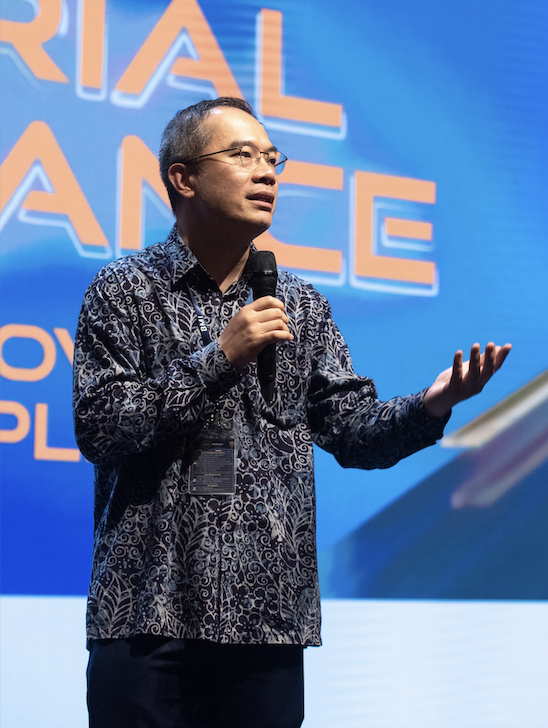
According to William Ng, National President of the Small and Medium Enterprises Association Malaysia (SAMENTA), the situation has worsened sooner than expected following the closure of the Strait of Hormuz.
Industries such as manufacturing, textiles and construction are already facing sharp increases in raw material prices, particularly for steel and petrochemicals, due to their reliance on imports.
Global oil prices exceeding USD100 per barrel have further compounded the pressure, with some SMEs reporting that fuel and energy costs now account for up to 50% of total operating expenses.
Shipping delays of up to two weeks, caused by rerouted logistics away from the Middle East, are also tightening cash flow, as payments from overseas buyers are typically only released upon delivery of goods.
SAMENTA is urging the government to introduce targeted liquidity measures, including loan restructuring by banks and expanded access to banker’s acceptance facilities of up to six months for exporters.
The association also recommends accelerating tax refunds and increasing the guarantee ceiling under the SJPP scheme to improve SMEs’ access to working capital without requiring excessive collateral or incurring higher borrowing costs.
To ease administrative burdens, the group has proposed that the Ministry of Investment, Trade and Industry waive fees for Preferential Certificates of Origin. It also called on the Malaysia External Trade Development Corporation to allow SMEs to claim Market Development Grants (MDG) for trade fair expenses already incurred but rendered unusable due to the conflict, without affecting their annual allocation.
In addition, SAMENTA is advocating for new MDG matching grants to support expansion into alternative markets such as Central Asia, Africa and South America, helping businesses reduce dependence on higher-risk regions.
The association also highlighted the need for support from larger corporations. It suggested that government-linked companies (GLCs), as well as multinational corporations, allow SME suppliers to make interim price adjustments.
Many suppliers are currently locked into long-term contracts that do not reflect the recent surge in costs, placing significant strain on their viability.
While calling for immediate relief, SAMENTA emphasised that any stimulus measures should be outcome-based to avoid long-term dependency.
It recommended incentives for digitalising supply chains and shifting sourcing to ASEAN-based suppliers, as well as grants for energy-efficient solutions such as solar installations and automation to reduce overheads sustainably.
Beyond government intervention, SMEs are encouraged to take proactive steps to manage costs, including adopting flexible work arrangements like work-from-home policies and engaging early with financial institutions to restructure loans if needed.
SAMENTA is also gathering feedback from affected businesses to coordinate responses with government agencies as the situation evolves.