
KKDW needs to shift to a culture of impact, accountability – Ahmad Zahid
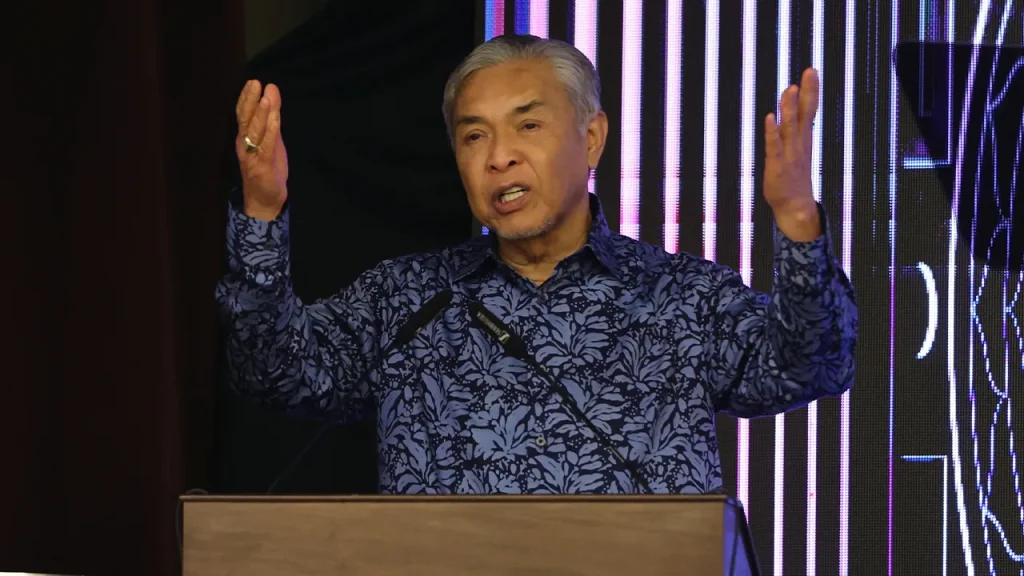
PUTRAJAYA: The Ministry of Rural and Regional Development (KKDW) needs to shift from a culture of mere process compliance to a work culture based on impact and accountability to ensure that every policy and programme truly brings change to rural people, said Deputy Prime Minister Datuk Seri Ahmad Zahid Hamidi. He, who is also the Minister of Rural and Regional Development, said KKDW cannot just be an organization that complies with processes and governance, but must instead be responsible for outcomes that directly impact the well-being of the people. "We must move from a culture of compliance to a culture of impact . From a culture of activity to a culture of accountability . This is the new discipline that I want and we all want to implement at KKDW," he said when speaking at the KKDW monthly gathering, here today. Ahmad Zahid said the people do not judge the government based on the number of meetings or presentations held, but rather through the ability of the government's policies and actions to change their lives. He also urged all KKDW leadership and staff to act faster, be brave in making decisions and honestly assess the organization's weaknesses, as well as be closer to the people to address rural development issues. Therefore, he asked the Secretary-General (KSU) and the ministry's deputy KSUs, directors-general and headmasters to make this mid-term review a turning point with each finding translated into clear decisions and effective implementation. "Every decision must have a timeline between us or the responsible party and every responsibility must lead to actions that we can all work towards. The biggest weakness of an organization is not when it admits it has a problem but when it knows about the problem but does not dare to act," he said. He also outlined six main disciplines that should form the basis of the mid-term review of the KKDW, namely relevance, effectiveness, efficiency, impact, sustainability and coherence. Ahmad Zahid said rural development can no longer be seen as a mere welfare agenda, but rather must be considered as a national defence agenda that is important to guarantee national stability. "If the villages are weak, the country will be fragile. If the villages lag behind, the country will lose balance. But if the villages develop, God willing, Malaysia will have a strong foundation to face any challenges ahead," he said. Ahmad Zahid said KKDW needed to move with new disciplines that would have a major impact on the people as well as speed up the implementation of development programmes and projects. He said that although the country's economy continued to show resilience with economic growth remaining positive, the main question was whether the development implemented was truly benefiting the rural people. Giving the example of the construction of the 1,800-kilometre Rural Link Road (JPD) under the 12th Malaysia Plan (12MP), Ahmad Zahid said the project opened up access to education, health, the economy and job opportunities for rural communities. He said the national rural economic agenda needs to be seen as a comprehensive ecosystem that connects infrastructure development, entrepreneurship, education, training and employment opportunities. Meanwhile, Ahmad Zahid praised the initiatives of several agencies under KKDW including the Central Terengganu Development Authority (KETENGAH) which implemented the KETENGAH Food Valley project, commercial pineapple plantations, broiler farming, in addition to the development of the first coffee plantation area in Kelantan by the South Kelantan Development Authority (KESEDAR) as well as the KEDA Food Valley project developed by the Kedah Regional Development Authority (KEDA). He also expressed his appreciation to the Orang Asli Development Department (JAKOA) following the increase in the enrollment of Orang Asli students into institutions of higher learning (IPT) and the Master's Education Preparation Plan (RPPS), which was described as the highest in the community's educational history. He said early education institutions such as Child Guidance Centres (TABIKA), Child Care Centres (TASKA), Smart Pre-Tahfiz, Smart Classroom and Special Early Childhood Centres under the Community Development Department (KEMAS) also play an important role in building a rural generation that is knowledgeable, technologically literate and confident. -- BERNAMA

PUTRAJAYA: The Ministry of Rural and Regional Development (KKDW) needs to shift from a culture of mere process compliance to a work culture based on impact and accountability to ensure that every policy and programme truly brings change to rural people, said Deputy Prime Minister Datuk Seri Ahmad Zahid Hamidi. He, who is also the […]

Arts, Culture Essential for Sustainable Urban Development – Nga Kor Ming
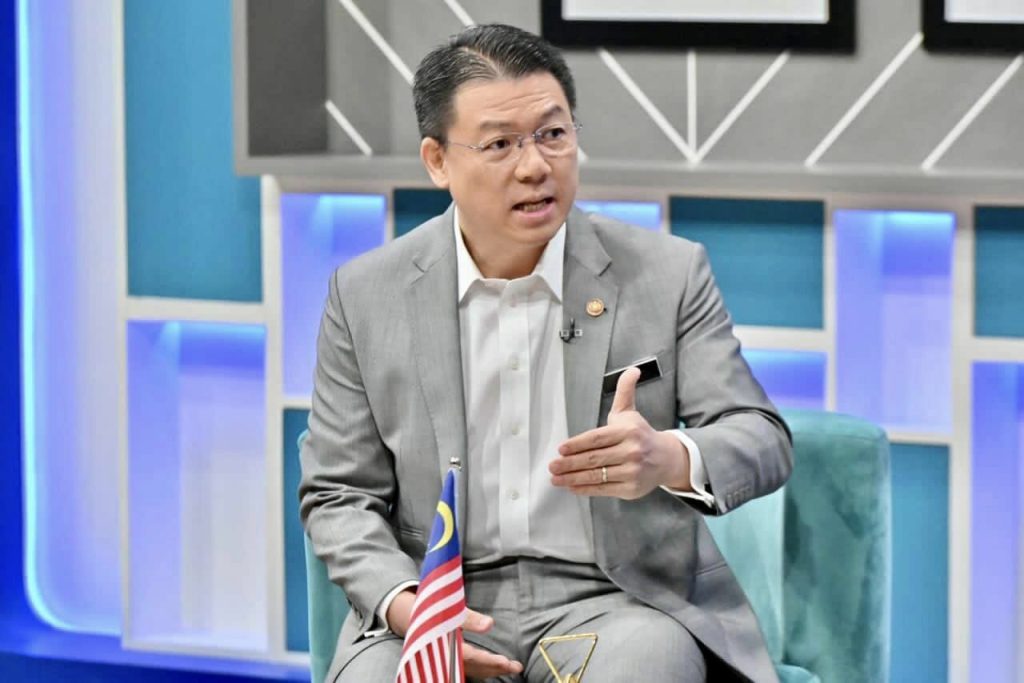
IPOH, June 3 -- Sustainable urban development cannot be achieved through physical infrastructure alone, as arts, culture and strong community ties are equally important in shaping cities with a distinct identity and sense of belonging, said Housing and Local Government Minister Nga Kor Ming. Speaking at the opening of the MADANI Philharmonic Musical Concert 2026: A Tune of Friendship and Unity in Harmony at the RTM Auditorium here on Tuesday night, Nga said the government's commitment to improving public infrastructure, upgrading facilities and providing more affordable housing must be complemented by efforts to nurture social and cultural development. “The progress of a city cannot be measured solely on its physical infrastructure. Without art, culture and human connections, even the most modern city risks losing its soul,” he said. Nga stressed that while Malaysia is capable of constructing world-class buildings and modern urban facilities, true success lies in ensuring residents experience happiness, inclusivity and a strong sense of community. “We are capable of building world-class skyscrapers, but if the residents cannot enjoy happiness and a sense of belonging, then we have not achieved true success,” he added. He noted that arts, cultural activities and community-driven initiatives play a crucial role in transforming cities into vibrant and welcoming spaces where people feel connected and valued. According to Nga, programmes such as the concert serve as important platforms for fostering understanding, compassion and mutual respect among Malaysians from diverse backgrounds. He also highlighted music as a powerful unifying force that transcends differences in language, culture and geography. “Malaysia’s diversity should be viewed as a strength rather than a challenge, as it contributes to the nation’s creativity, resilience and dynamism,” he said. The concert featured performances by the Kinta Valley String Orchestra, the Kuala Lumpur Orchestra and the Feroci Philharmonic Orchestra, bringing together musicians from various backgrounds in a celebration of friendship, harmony and national unity through music. — BERNAMA

IPOH, June 3 — Sustainable urban development cannot be achieved through physical infrastructure alone, as arts, culture and strong community ties are equally important in shaping cities with a distinct identity and sense of belonging, said Housing and Local Government Minister Nga Kor Ming. Speaking at the opening of the MADANI Philharmonic Musical Concert 2026: […]

PM Anwar Calls For Stronger Economic Diplomacy Among Malaysian Envoys
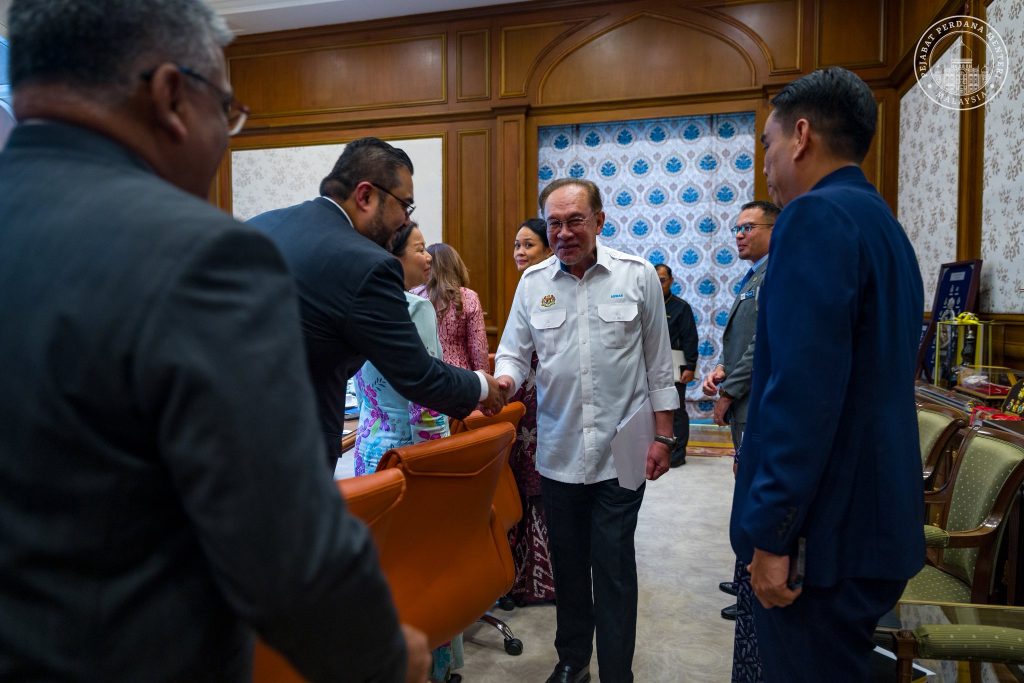
KUALA LUMPUR, MAY 20 -- Prime Minister Anwar Ibrahim today received a courtesy visit from 13 Malaysian Chief Diplomatic Representatives who will soon serve in various strategic regions across the globe. During the meeting, Anwar stressed the importance of strengthening the nation’s economic diplomacy capabilities, particularly in attracting high-quality investments, expanding trade opportunities, and exploring strategic international cooperation that can sustainably drive Malaysia’s economic growth. He said diplomats today must go beyond mastering official protocols and bilateral relations, emphasizing that effective diplomacy also requires a deep understanding of history, culture, political systems, and the social nuances of host countries to ensure more meaningful engagement. The Prime Minister also highlighted the importance of continuously nurturing and empowering the younger generation of diplomats with broad knowledge, critical thinking, and the ability to navigate increasingly complex geopolitical and global economic challenges. Anwar reaffirmed that Malaysia remains committed to the principles of simplicity, stability, good governance, and a diplomatic approach rooted in wisdom and universal humanitarian values in carrying the nation’s voice onto the global stage. -- MINUTESNMY -- SOURCE: FB ANWAR IBRAHIM

KUALA LUMPUR, MAY 20 — Prime Minister Anwar Ibrahim today received a courtesy visit from 13 Malaysian Chief Diplomatic Representatives who will soon serve in various strategic regions across the globe. During the meeting, Anwar stressed the importance of strengthening the nation’s economic diplomacy capabilities, particularly in attracting high-quality investments, expanding trade opportunities, and exploring […]