
Malaysia’s Success Depends On Quality Of Human Capital – Fadillah
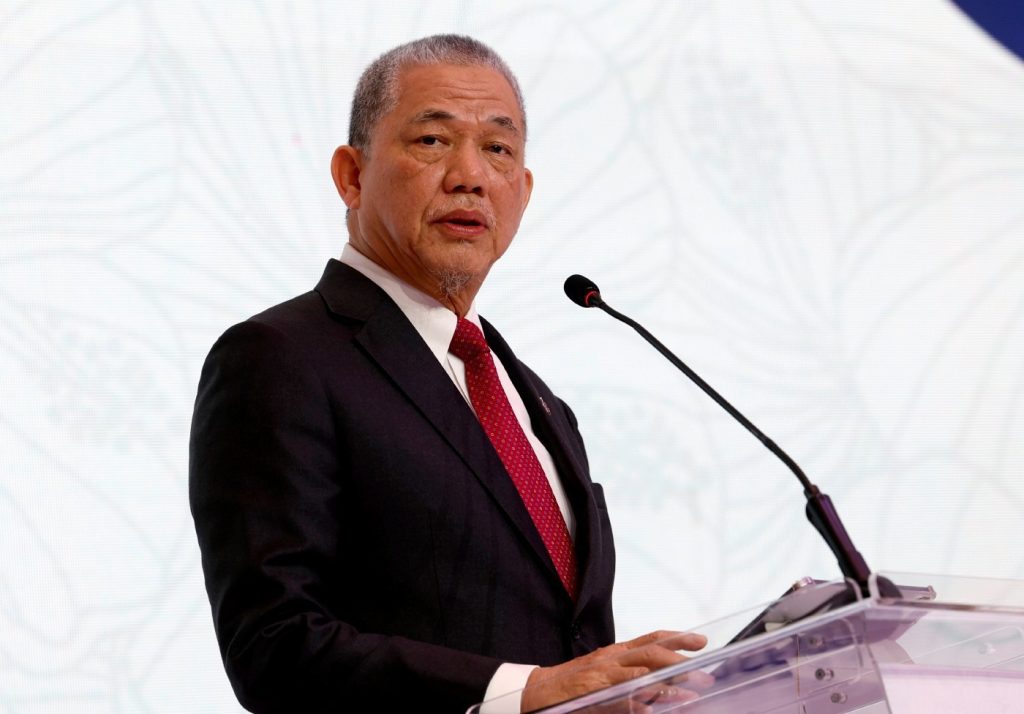
KUALA LUMPUR, July 6 -- Malaysia’s future success will depend not only on economic strength or technological advancement, but also on the quality of its human capital, Deputy Prime Minister Datuk Seri Fadillah Yusof said today. He said the country needed individuals who could think critically, communicate effectively and adapt to change in an increasingly interconnected world. “In such a world, a nation’s success is no longer determined solely by economic strength or technological advancement,” he said when opening the ADNI International Students’ Conference (AISC) 2026 here. Fadillah said the challenges of tomorrow, including climate change, public health, digital transformation and social inequality, could not be addressed in isolation and required collaboration among governments, educational institutions, the private sector, civil society and young people. He said the MADANI Government placed human capital development at the heart of national progress, echoing the principle championed by Malaysia’s third Prime Minister Tun Hussein Onn that a nation’s strength lies in the unity and character of its people.   “Technology may connect our devices, but only shared values, mutual respect and trust can truly connect our societies,” he said. Fadillah said true development must encompass education, well-being, ethics, creativity, sustainability and social cohesion. On the conference, he said it reflected the spirit of the United Nations Sustainable Development Goals (SDGs) by nurturing young people who understood the importance of quality education, inclusivity, strong institutions and strategic partnerships. He added that opportunities for intellectual discourse and cross-cultural engagement were vital in producing globally minded individuals with strong values and a strong sense of identity. He also reminded students that while artificial intelligence might become more intelligent, it would never replace wisdom, and technology could never replace compassion. AISC 2026, themed ‘Thriving Together: Diversity, Education and Wellness in a Digital World’, brought together about 150 local and international students, including delegates from Thailand, the Philippines and Indonesia, to exchange ideas and strengthen regional friendship and cooperation. -- BERNAMA

KUALA LUMPUR, July 6 — Malaysia’s future success will depend not only on economic strength or technological advancement, but also on the quality of its human capital, Deputy Prime Minister Datuk Seri Fadillah Yusof said today. He said the country needed individuals who could think critically, communicate effectively and adapt to change in an increasingly […]

Malaysia working to guarantee energy supply until December following global crisis – Fadillah

PUTRAJAYA -- Malaysia is working to ensure that the country's energy supply security continues to be maintained until December following the global supply crisis which is affecting economic chains and increasing energy costs. Deputy Prime Minister and Minister of Energy Transition and Water Transformation Datuk Seri Fadillah Yusof said that, so far, the country's energy supply is expected to be sufficient until July, while efforts are being intensified, including obtaining additional supply sources from abroad. "So far, God willing, our energy supply is guaranteed until July. Petronas is working hard to obtain all supplies, even if it means going to Africa." "If everything (supplies) can be collected, God willing we will have guaranteed energy supply until December," he said when speaking at the PETRA Monthly Assembly, here, today. He said the current global energy crisis is affecting the entire economic chain, especially the logistics sector which has seen costs increase before ultimately impacting the prices of goods and security of supply. Fadillah said the impact of the crisis was also felt in other sectors including medicine and manufacturing due to the shortage of certain raw materials such as plastic used in packaging and various industrial needs. "In Malaysia, we still take it for granted. We still feel as if Malaysia is not facing a crisis. That is the position in Malaysia, but in fact many parties are working to ensure that we are still in this comfortable situation," he said. In this regard, Fadillah said that all parties need to play a role by ensuring savings in electricity and water consumption to reduce energy consumption. "When we reduce energy consumption, we can extend the duration of our energy supply and ultimately we will have security and will not be affected by the crisis that occurs," he said. He said that the government, through the National Economic Action Council (MTEN) Meeting which is held every week, is also engaging with various sectors to identify the impact of the crisis on the national economy as well as intervention measures that can be implemented. He said the efforts included ensuring the survival of small and medium enterprises (SMEs), as well as preventing job losses and reducing the impact on the people. At the same time, he said, the government will continue to give priority to three main aspects of the energy sector, namely security of supply, prices that the people can afford, and environmental sustainability. -- BERNAMA

PUTRAJAYA — Malaysia is working to ensure that the country’s energy supply security continues to be maintained until December following the global supply crisis which is affecting economic chains and increasing energy costs. Deputy Prime Minister and Minister of Energy Transition and Water Transformation Datuk Seri Fadillah Yusof said that, so far, the country’s energy […]