
Maintaining Fuel Subsidies Eases Burden On People, Curbs Inflation – FOMCA
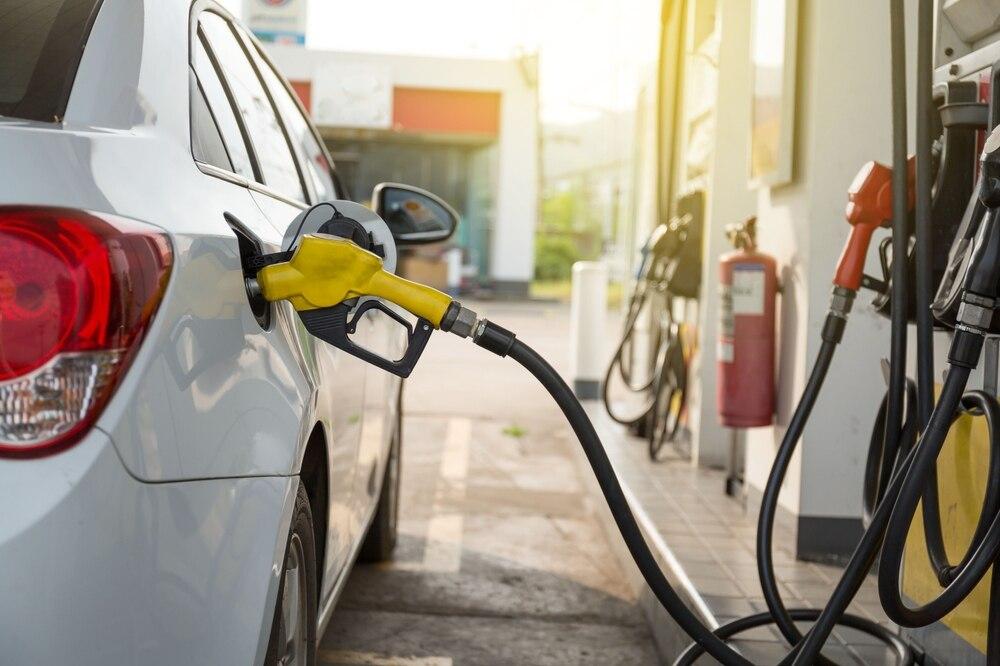
KUALA LUMPUR, June 9 -- The government's commitment to continue bearing the cost of fuel subsidies is seen as helping the people and curbing inflationary pressures, while serving as the country's main shield against the impact of the global supply crisis. Federation of Malaysian Consumers Associations (FOMCA) chief executive officer Dr Saravanan Thambirajah said the organisation welcomed the MADANI Government's initiative as it gives consumers confidence that the people's welfare remains a priority. He said maintaining fuel prices at current levels greatly helps reduce transportation and logistics cost pressures, while also supporting the supply chain to prevent increases in the prices of daily necessities. "However, FOMCA is of the view that fuel prices are not the only factor determining the prices of goods. "Consumers still face challenges from food costs, rental rates, energy costs, wages and various other operating expenses that also influence market prices. Nevertheless, maintaining the RON95 price can act as a buffer against inflation," he told Bernama. Meanwhile, senior lecturer at the Faculty of Economics and Muamalat, Universiti Sains Islam Malaysia, Dr Mohd Shukor Harun, viewed the government's commitment as a responsible measure, particularly in easing the financial burden of the B40 and M40 groups. "However, from a public policy perspective, the existing blanket subsidy mechanism is regressive because it also benefits the wealthy. "If this subsidy is maintained when global crude oil prices surge, the country's fiscal deficit will widen and the expenditure will consume funds that should otherwise be channelled to development, education and healthcare sectors," he said. In this regard, he proposed a more sustainable long-term strategy to ensure continued assistance for the people in facing global economic pressures, including the progressive implementation of targeted subsidies. For food delivery rider Umair Al-Anshaari Rusli, 24, the government's move to maintain the subsidy is a great help as he relies entirely on his vehicle to earn a daily income. "This fuel subsidy is important because it can help control increases in the prices of goods and transportation costs, as we depend heavily on motorcycles or cars to earn a living," he said. Prime Minister Datuk Seri Anwar Ibrahim previously said he did not agree with raising fuel prices while the country was facing a global supply crisis, and stressed that the government would continue efforts to bear fuel subsidy costs by allocating substantial monthly expenditure to prevent the people from being burdened -- BERNAMA

KUALA LUMPUR, June 9 — The government’s commitment to continue bearing the cost of fuel subsidies is seen as helping the people and curbing inflationary pressures, while serving as the country’s main shield against the impact of the global supply crisis. Federation of Malaysian Consumers Associations (FOMCA) chief executive officer Dr Saravanan Thambirajah said the […]

Maintaining BUDI95 Fuel Quota for E-Hailing Drivers Seen as Key to Cost Stability
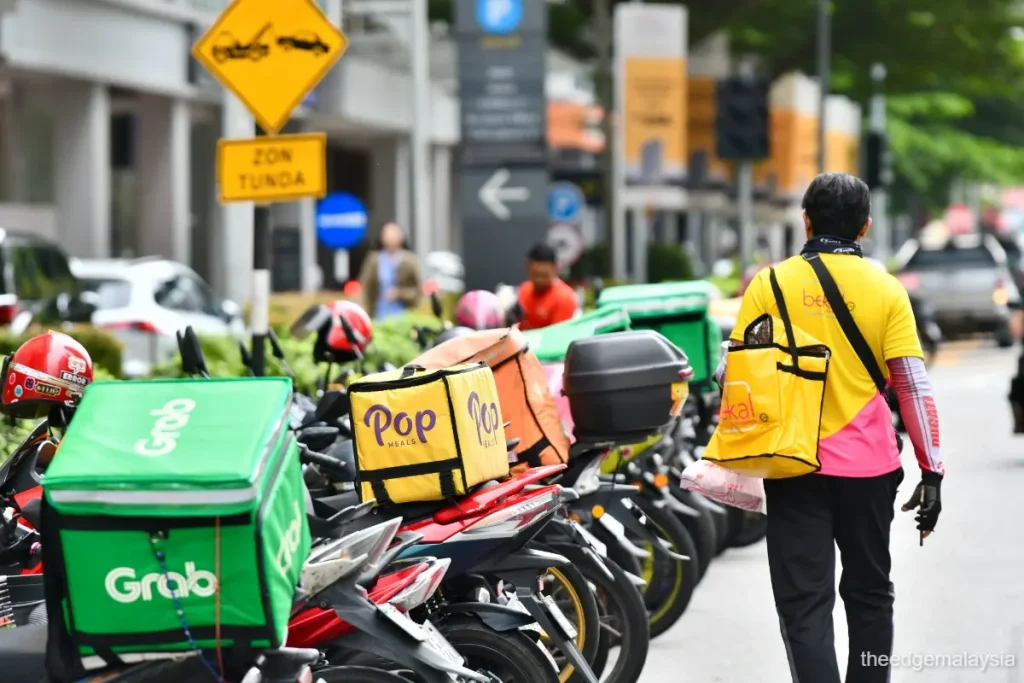
KUALA LUMPUR, March 26 — The decision to retain the Budi MADANI RON95 (BUDI95) fuel quota of up to 800 litres per month for e-hailing drivers and gig workers has been welcomed as a timely measure to help stabilise operating costs amid global uncertainties. Malaysian e-Hailing Coalition (GEM) Chief Activist Masrizal Mahidin said the move would not only ease financial pressures on drivers but could also boost demand for e-hailing services, particularly following the temporary adjustment to BUDI95 eligibility set to take effect next month. He noted that the revised quota for general eligibility — reduced from 300 litres to 200 litres per month starting April 1, 2026 — may encourage more urban commuters to opt for e-hailing services instead of using private vehicles, potentially increasing drivers’ income opportunities. Earlier, Prime Minister Datuk Seri Anwar Ibrahim announced the adjustment in response to the ongoing conflict in West Asia, while maintaining the subsidised fuel price under the BUDI95 initiative at RM1.99 per litre to cushion the impact on the public. Masrizal stressed that while maintaining the higher quota for e-hailing drivers offers immediate relief, long-term strategies are needed to address rising fuel costs driven by global oil price volatility. Among the proposals highlighted were incentives to accelerate the adoption of electric vehicles (EVs), along with improved infrastructure, social protection measures, insurance coverage, emergency funds and skills training to strengthen the resilience of gig workers. Meanwhile, Federation of Malaysian Consumers Associations (FOMCA) Chief Executive Officer Dr T. Saravanan said the decision reflects the government’s awareness of the challenges faced by those whose livelihoods depend heavily on fuel usage. He added that maintaining the 800-litre quota is crucial in ensuring market stability, while preventing misuse or excessive purchases that could disrupt fuel supply. Saravanan also called on consumers to remain patient and understand the necessity of the temporary quota adjustment, describing it as a prudent step towards safeguarding energy security, ensuring stable supply and promoting responsible fuel management.

KUALA LUMPUR — The decision to retain the Budi MADANI RON95 (BUDI95) fuel quota of up to 800 litres per month for e-hailing drivers and gig workers has been welcomed as a timely measure to help stabilise operating costs amid global uncertainties. Malaysian e-Hailing Coalition (GEM) Chief Activist Masrizal Mahidin said the move would not […]

West Asia Conflict: Stable Supply Of Essential Goods; Avoid Panic Buying

KUALA LUMPUR — The domestic economy and supply of essential goods in the country remain very stable and are not facing any significant impact following the escalating conflict in West Asia. In relation to this, consumers and the public are advised to remain calm and not enter into panic buying but instead manage their spending more […]