
GEN Z COULD BE THE FUTURE MALAYSIAN CINEMA HAS BEEN WAITING FOR
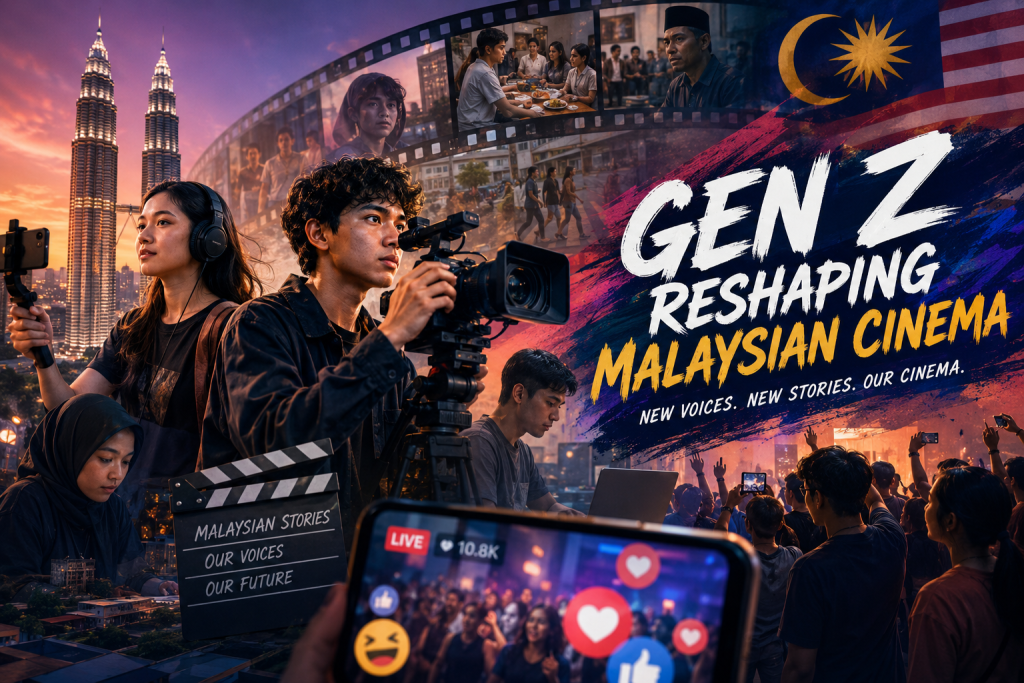
There was a time when Malaysian cinema struggled to capture the attention of its youngest audience. Many young Malaysians grew up preferring Hollywood blockbusters, Korean dramas or Japanese anime, often viewing local films as less exciting or less relatable. For years, the industry faced criticism for repetitive storylines, predictable scripts and a lack of innovation. Today, however, something appears to be changing. A new generation of filmmakers, actors and audiences — collectively known as Generation Z — is quietly transforming the landscape of Malaysian cinema. Their influence extends beyond what appears on screen. They are changing how films are written, promoted, distributed and ultimately judged by audiences. Gen Z is the first generation to grow up entirely in the digital age. They consume content differently from previous generations. They are accustomed to streaming platforms, short-form videos, social media trends and instant access to global entertainment. As a result, their expectations for storytelling are significantly higher. Young viewers are no longer satisfied with films that rely solely on familiar formulas. They want authenticity. They want stories that reflect real-life experiences, contemporary struggles and diverse perspectives. They are drawn to characters who feel genuine rather than idealised. This shift is encouraging filmmakers to think differently. Rather than attempting to imitate Hollywood productions, many young Malaysian creators are embracing stories rooted in local culture and experiences. Whether exploring urban life, family relationships, social issues or youth identity, these filmmakers are proving that local stories can resonate strongly when told with honesty and creativity. The rise of digital platforms has also lowered barriers to entry. A decade ago, aspiring filmmakers needed substantial financial backing and industry connections to showcase their work. Today, talented creators can build audiences through YouTube, TikTok, Instagram and streaming services before ever stepping into a cinema. Some of Malaysia's most promising young filmmakers began by creating content online. They learned filmmaking techniques through experimentation, feedback and collaboration rather than traditional pathways. This democratisation of content creation has introduced fresh voices into an industry that once appeared difficult to enter. Perhaps even more significant is how Gen Z has changed film marketing. Traditional advertising campaigns no longer hold the same influence they once did. Social media discussions, viral clips, audience reviews and influencer recommendations now play a major role in determining a film's success. A movie can generate enormous interest through a single viral moment online. Conversely, a poorly received film can quickly face criticism across social media platforms. The audience is no longer a passive consumer. They actively shape public perception and contribute to a film's popularity. This changing dynamic has forced filmmakers and studios to engage more directly with audiences. At the same time, the success of Malaysian films in recent years suggests that local audiences are increasingly willing to support homegrown productions when the quality meets expectations. Strong performances at the box office have demonstrated that Malaysians are not inherently biased against local films. They simply want compelling stories worth their time and money. However, challenges remain. While the industry has shown encouraging signs of growth, sustainable success requires more than a few box-office hits. Investment in script development, film education, technical training and international collaboration remains essential. Young filmmakers need opportunities to experiment, fail and improve without facing overwhelming financial obstacles. The industry must also avoid becoming overly dependent on trends. What resonates with Gen Z today may not necessarily resonate tomorrow. Long-term growth will depend on the ability to balance innovation with strong storytelling fundamentals. Nevertheless, the influence of Gen Z is undeniable. Their creativity, technological fluency and willingness to challenge conventional ideas are bringing fresh energy into Malaysian cinema. More importantly, they are helping redefine what success means for the industry. Success is no longer measured solely by ticket sales. It is measured by cultural relevance, audience engagement, international recognition and the ability to tell stories that genuinely connect with people. For years, Malaysian cinema searched for ways to remain relevant in an increasingly competitive entertainment landscape. Ironically, the answer may have been growing up alongside smartphones, social media and streaming platforms all along. Gen Z is not just the future audience of Malaysian cinema. They are becoming its creators, critics, promoters and strongest advocates. And if the industry continues to embrace their ideas and energy, Malaysian cinema's most exciting chapter may still be ahead. -- MINUTESMY / SUGAN BALAN

There was a time when Malaysian cinema struggled to capture the attention of its youngest audience. Many young Malaysians grew up preferring Hollywood blockbusters, Korean dramas or Japanese anime, often viewing local films as less exciting or less relatable. For years, the industry faced criticism for repetitive storylines, predictable scripts and a lack of innovation. […]

Not Just Clothes: Why Gen Z Fashion in Malaysia Is All About Identity
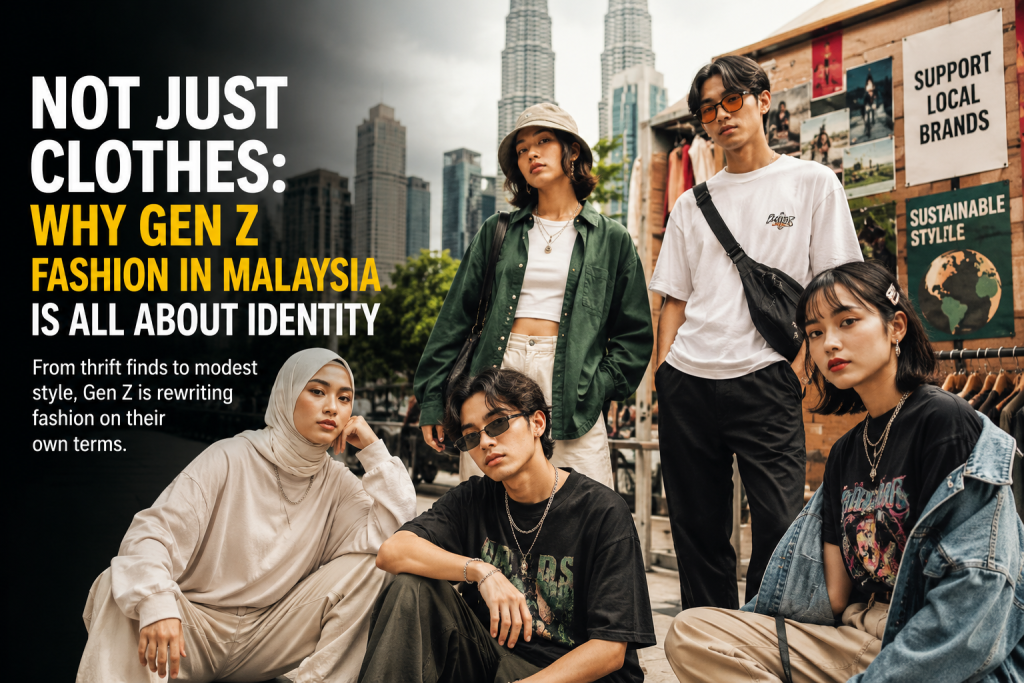
Walk into any café in Kuala Lumpur on a weekend afternoon, and you'll notice something interesting. At one table, a group of friends dressed in oversized shirts, baggy jeans and sneakers are taking photos for social media. Across the room, another group mixes vintage jackets with thrifted accessories, creating looks that seem effortless yet carefully curated. Outside, a young woman pairs a modern hijab style with streetwear-inspired pieces, proving that modest fashion and contemporary trends can go hand in hand. This is Gen Z fashion in Malaysia—diverse, expressive and impossible to define with a single trend. For many young Malaysians today, fashion is no longer just about looking good. It has become a way to communicate who they are, what they believe in and how they see the world. Unlike previous generations that often followed fashion rules dictated by magazines, celebrities or major brands, Gen Z grew up in an era where inspiration is only a swipe away. TikTok, Instagram and Pinterest have transformed the fashion landscape, exposing young people to styles from Seoul, Tokyo, London and New York in real time. Yet what makes Malaysian Gen Z unique is their ability to adapt global trends to local culture. Rather than simply copying what they see online, many young Malaysians are blending international influences with their own identities. Traditional elements, local brands and cultural heritage often find their way into everyday outfits, creating a style that feels both global and distinctly Malaysian. One trend that continues to gain momentum is thrift shopping. For Gen Z, visiting a thrift store is more than just a hunt for bargains. It is an experience. The thrill of discovering a one-of-a-kind jacket or vintage shirt often carries more appeal than purchasing something mass-produced from a fast-fashion retailer. There is also a growing awareness of sustainability. Many young consumers are increasingly concerned about the environmental impact of the fashion industry. As conversations around climate change become more prominent, buying second-hand clothing or supporting local businesses has become a conscious choice for many. Fashion has also become more inclusive than ever before. Today's generation is less interested in fitting into rigid style categories and more focused on expressing individuality. Whether someone prefers minimalist aesthetics, streetwear, modest fashion or a combination of multiple styles, the emphasis is on authenticity rather than conformity. Perhaps that is what truly defines Gen Z fashion in Malaysia. It is not about expensive brands or following the latest trend. It is about confidence. It is about creativity. And most importantly, it is about having the freedom to wear something that feels genuinely perso nal. As Malaysia's younger generation continues to shape culture, their influence on fashion will only grow stronger. Brands, retailers and designers are already paying attention, recognising that today's youth value originality, sustainability and self-expression more than status symbols.                                   In the end, Gen Z fashion is not really about clothes at all. It is about identity. And for a generation determined to be seen and heard on its own terms, what they wear has become one of the most powerful ways to tell their story. -- MINUTESMY / SUGAN BALAN

Walk into any café in Kuala Lumpur on a weekend afternoon, and you’ll notice something interesting. At one table, a group of friends dressed in oversized shirts, baggy jeans and sneakers are taking photos for social media. Across the room, another group mixes vintage jackets with thrifted accessories, creating looks that seem effortless yet carefully […]