PERKESO Ready To Enforce Gig Workers Act 2025, Works With Platform Providers
KUALA LUMPUR, April 1 -- The Social Security Organisation (PERKESO) is fully prepared to implement social protection for gig workers, including through system integration using Application Programming Interface (API) technology with platform providers. In a statement today, PERKESO said the integration aims to enable contribution deductions to be carried out automatically from each gig worker transaction without the need for manual intervention, thereby improving efficiency, transparency and compliance. In this regard, all gig platform providers are urged to ensure their systems are ready so that the integration process can be implemented smoothly and swiftly. “This step is in line with the implementation of the Gig Workers Act 2025 (Act 872), which mandates all platform providers to register their gig workers with PERKESO. “In addition, platform providers that have yet to register are still subject to the responsibility of registering and deducting contributions to ensure gig workers remain protected,” it said. Under the new mechanism, contributions at a rate of 1.25 per cent will be automatically deducted from each income transaction once a task is completed, ensuring more consistent and continuous social protection for gig workers. “This approach not only expands social security coverage but also ensures that gig workers receive appropriate protection without compromising their work flexibility,” the agency said. Regarding the Self-Employment Social Security Scheme (LINDUNG Kendiri), PERKESO statistics show that the number of reported accidents under the scheme increased from 4,021 cases in 2023 to 4,839 cases in 2024, and further to 5,496 cases in 2025. Over the same period, the number of benefit recipients also rose from 6,294 in 2023 to 6,725 in the following year, before reaching 7,893 in 2025. “These statistics signal that it is time for social protection for this group to be given more serious and comprehensive attention, in line with the increasingly dynamic and flexible nature of today’s employment landscape. “Therefore, strengthening protection is not only important to safeguard gig workers when facing risks, but also to ensure the welfare of their dependants in the event of unforeseen circumstances. It added that the implementation of Act 872 places Malaysia in a strategic position as one of the pioneers in the region to introduce a comprehensive legal framework specifically for the gig sector.

KUALA LUMPUR, April 1 — The Social Security Organisation (PERKESO) is fully prepared to implement social protection for gig workers, including through system integration using Application Programming Interface (API) technology with platform providers. In a statement today, PERKESO said the integration aims to enable contribution deductions to be carried out automatically from each gig worker […]

Gig Workers Act 2025 Comes Into Force, Strengthening Protection for 1.64 Million Workers
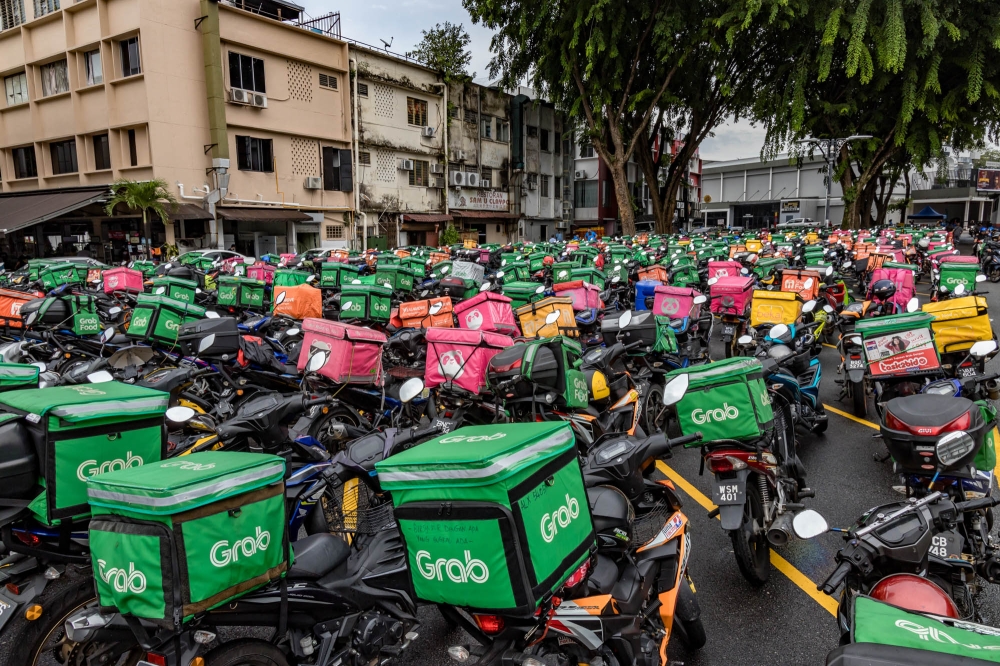
PUTRAJAYA, 31 March — Malaysia today takes a major step in shaping its digital economy as the Gig Workers Act 2025 (Act 872) comes into effect, strengthening governance and welfare protections for workers in the gig sector. The Minister of Human Resources said the new legislation reflects the government’s commitment to building a future workforce ecosystem that is fairer, more inclusive, and resilient, in line with the rapid growth of the digital economy, said in a statement. The Act is expected to benefit over 1.64 million gig workers by providing a comprehensive legal framework. Key areas of focus include transparency in service agreements, payment certainty, protection against discrimination, and access to structured dispute resolution mechanisms. Social security coverage through PERKESO as well as occupational safety and health protections are also strengthened, without compromising the flexibility that underpins the gig employment model. Malaysia now holds a strategic position as one of the first countries in the region to introduce dedicated legislation for the gig sector, potentially serving as a model for regional and global policy development. Under the Act, the definition of gig workers is inclusive, covering individuals providing services both via digital platforms and independently, spanning creative, professional, and freelance sectors. To reinforce governance, the Gig Consultation Council (MPGiG) has been established as a tripartite advisory body representing the government, gig workers, and contracting entities. The council will advise the government on minimum income levels and industry standards based on data and current market needs. A total of 26 members have been appointed to MPGiG, effective 1 April 2026, with the first meeting scheduled for 3 April 2026. Discussions will focus on gig workers’ income levels as a key early implementation agenda. Meanwhile, the Malaysian Gig Economy Commission (SEGiM) will act as a central coordinating body to ensure policies, industry monitoring, and ecosystem development are implemented in a structured and effective manner. The Act also introduces a more systematic complaints management system through the eAduan platform under the Ministry of Human Resources, allowing gig workers to file complaints related to payments, account suspension, or breaches of agreements, with a resolution target of within 21 working days, depending on the case complexity. Enforcement will be carried out collaboratively by agencies including the Department of Labour, Department of Occupational Safety and Health, and PERKESO, with strict action against parties failing to comply with legal provisions. This initiative demonstrates the government’s balanced approach to fostering digital economy growth while prioritizing workers’ welfare. More information on the Gig Workers Act 2025 is available on the Ministry of Human Resources official website at https://www.mohr.gov.my/aktapekerjagig2025/.

PUTRAJAYA, 31 March — Malaysia today takes a major step in shaping its gig economy as the Gig Workers Act 2025 (Act 872) comes into effect, strengthening governance and welfare protections for workers in the gig sector. The Minister of Human Resources said the new legislation reflects the government’s commitment to building a future workforce […]

KESUMA CONTINUES TO STEP TO EMPOWER THE COUNTRY’S HUMAN CAPITAL

KUALA LUMPUR — The Ministry of Human Resources (KESUMA) is intensifying efforts to strengthen the nation’s human capital through the implementation of various new initiatives aimed at enhancing workforce competitiveness and ensuring more comprehensive social protection. Its Minister, Steven Sim Chee Keong, said the initiatives align with the ministry’s goal of developing high-quality human capital […]