
Malaysia’s Hottest Food Trends in 2026: From Matcha Craze to Luxury Hotpot Experiences
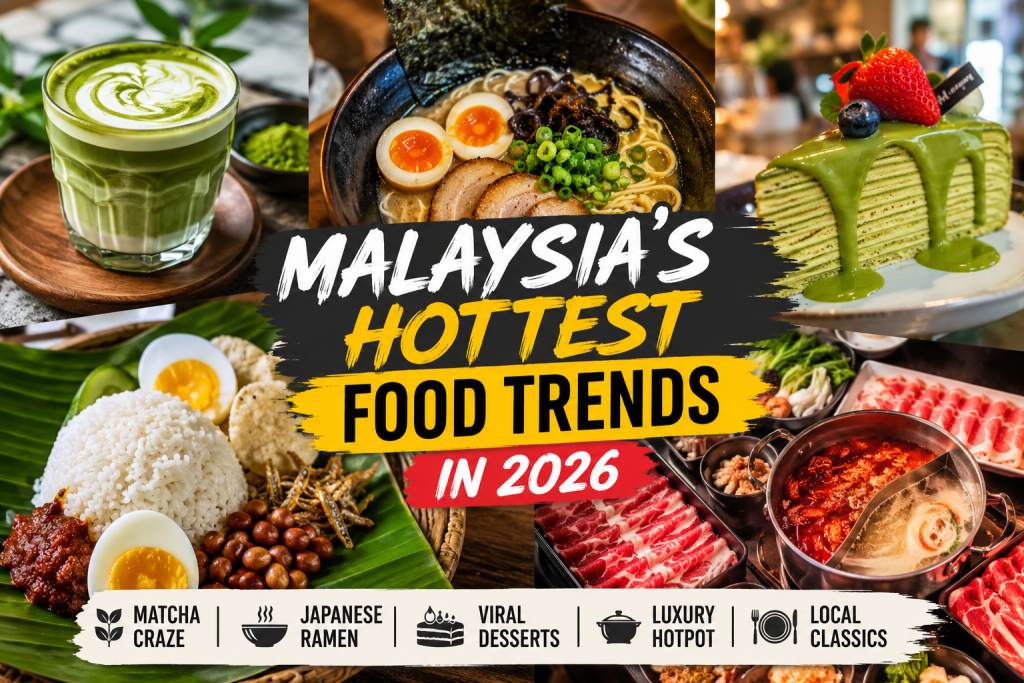
Malaysia’s food scene has never been more exciting. In 2026, the local culinary landscape is being shaped by social media trends, café culture, fusion flavors, and Gen Z dining habits. From viral matcha drinks and Japanese ramen culture to aesthetic desserts and premium hotpot experiences, Malaysians are no longer just eating for taste — they are dining for lifestyle, experience, and Instagram-worthy moments. Across cities like Kuala Lumpur and Johor Bahru, cafés and restaurants are rapidly adapting to evolving consumer preferences, especially among younger diners seeking unique flavors and visually appealing meals. Industry reports show that bold flavors, fusion menus, and comfort foodare dominating the food industry globally, with Malaysia becoming one of Southeast Asia’s strongest trend-driven markets. One of the biggest food trends currently dominating Malaysia is the explosive rise of matcha-based beverages and desserts. Matcha cafés are expanding nationwide, with drinks such as strawberry matcha latte, pistachio matcha, and matcha cloud foam becoming staples among urban café-goers. The popularity of matcha has surged due to its wellness appeal, vibrant aesthetic, and strong influence from TikTok and social media culture. For café lovers looking to explore Malaysia’s growing specialty coffee and matcha scene, places like VCR, LOKL Coffee Co, and Feeka Coffee Roasters have become popular lifestyle destinations known for their artisanal beverages, brunch culture, and aesthetic interiors. Another major trend sweeping through Malaysia is the growing obsession with Japanese ramen culture. Premium ramen restaurants are seeing long queues daily as Malaysians embrace authentic Japanese dining experiences featuring rich broths, handmade noodles, and premium ingredients. Social media exposure and rising travel influence have also accelerated demand for Japanese comfort food among younger Malaysians. Among the popular ramen spots gaining attention are Ippudo • Pavilion KL, Hokkaido Ramen Santouka @ Pavilion Kuala Lumpur, Towzen - Kuala Lumpur, and 豚麺処 官兵衛 KANBE RAMEN JB, each offering unique Japanese noodle experiences ranging from creamy tonkotsu broth to refined chicken-based ramen. Dessert culture is also evolving rapidly in Malaysia, with visually creative sweets becoming one of the country’s strongest food lifestyle movements. Consumers are increasingly drawn to molten chocolate desserts, soufflé pancakes, matcha pastries, and Japanese-inspired sweets that combine taste with social media appeal. Many cafés are designing desserts specifically to attract online engagement through TikTok and Instagram. Popular dessert destinations include Molten Chocolate Cafe (Lot 10), Fluffed Cafe, Nomi Dessert • Wisma Cosway, Nucre Patisseries, and Next Door Dessert, where diners can enjoy trendy cakes, pastries, and creative dessert presentations. At the same time, luxury hotpot dining has emerged as one of Malaysia’s fastest-growing social dining trends. Unlike traditional steamboat concepts, modern hotpot restaurants now emphasize premium meats, private dining experiences, dramatic interiors, and late-night social gatherings. Hotpot culture has become especially popular among young professionals and groups seeking interactive dining experiences. Restaurants such as FU Pot, Harbour Hotpot, 小龙坎老火锅 Xiao Long Kan Hot pot, Shu Daxia Hot Pot@Tun Razak 蜀大侠火锅, and Zhu Guang Yu Hotpot Pudu are among the trending destinations redefining communal dining experiences in Kuala Lumpur. Despite modern food trends dominating social media, Malaysians continue to embrace traditional local dishes such as Nasi Lemak, Roti Canai, and Laksa. Online discussions across Malaysian food communities show that these classic dishes remain deeply connected to national identity and everyday comfort food culture. Interestingly, modern cafés and restaurants are now reinventing these traditional flavors through fusion concepts such as nasi lemak burgers, gourmet sambal pasta, and elevated café-style Malaysian breakfasts. Brands and restaurants are increasingly modernizing heritage cuisine to attract younger consumers while maintaining nostalgic flavors. Ultimately, Malaysia’s 2026 food trends reflect more than just changing tastes. They represent a shift toward lifestyle-driven dining, where food is tied closely to identity, social media culture, wellness, and experiential dining. Whether it is sipping premium matcha, sharing luxury hotpot with friends, enjoying Japanese ramen, or rediscovering local classics, Malaysians are proving that food remains one of the country’s strongest cultural and lifestyle passions.

Malaysia’s food scene has never been more exciting. In 2026, the local culinary landscape is being shaped by social media trends, café culture, fusion flavors, and Gen Z dining habits. From viral matcha drinks and Japanese ramen culture to aesthetic desserts and premium hotpot experiences, Malaysians are no longer just eating for taste — they […]