
Thousands Of Malaysians Continue To Visit Southern Thailand Despite Safety Warnings
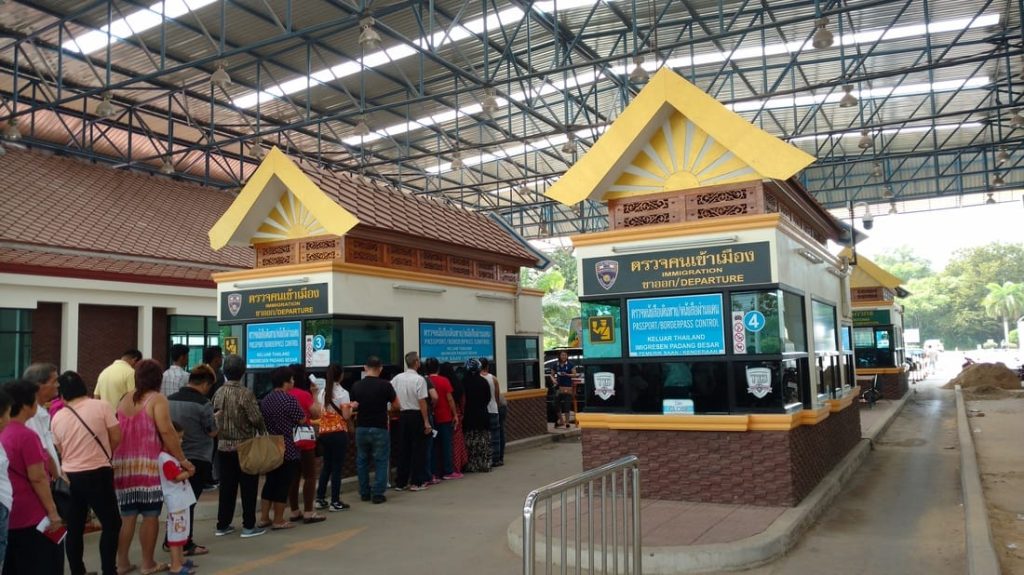
KOTA BHARU, June 14 -- Driven by the allure of an ‘overseas holiday,’ thousands of Malaysians have been ignoring safety warnings and queuing for hours to enter southern Thailand, especially during festive seasons and school holidays. Revealing this concerning trend, Kelantan police chief Datuk Mohd Yusoff Mamat said that daily observations at the state’s three official entry points (ICQS Complexes) - Rantau Panjang in Pasir Mas, Pengkalan Kubor in Tumpat, and Bukit Bunga in Tanah Merah - have recorded extremely high cross-border traffic. He said that on normal days, an estimated 3,000 people cross the border, while the figure rises to more than 4,000 during weekends. According to him, when school holidays arrive, the number increases significantly, reaching between 6,000 and 7,000 people per day. “Overall, the total number of entries and exits involving border passes or passports can reach as high as 10,000 people in a single day. We continuously advise the public that the situation there (in southern Thailand) is difficult to predict. “No one knows when or where a bombing or shooting incident might occur. The travel advisory issued by the Foreign Ministry (Wisma Putra) last year remains in effect, yet many people appear unconcerned and are still willing to queue for hours,” he told Bernama recently. Commenting on the factors drawing visitors to the troubled region, he said that, in his personal view, Kelantan still lacks sufficiently attractive tourist destinations or family recreation spots to encourage locals to spend their holidays within the state. He added that the public’s fascination with the notion of an overseas holiday also plays a significant role. “Many people seem to regard any trip that earns them a passport stamp as an overseas holiday, even though the destination is just across the border and separated only by a river. “Financial considerations are another factor behind the growing trend. The favourable exchange rate of the neighbouring country's currency makes people feel they can spend more freely there,” he said. He added that many locals are willing to cross the border for relatively simple reasons, such as seeking out authentic Thai cuisine, strolling through night markets, or even buying viral snacks from Thailand's 7-Eleven stores before returning home the same day. Meanwhile, Mohd Yusoff suggested that the state government and relevant stakeholders consider transforming border towns such as Rantau Panjang by adopting the development model used in Padang Besar, Perlis, as part of a two-pronged strategy to reduce the outflow of Malaysian currency. He said developing a well-organised commercial complex incorporating a rest and service (R&R) concept could attract domestic tourists without requiring them to cross the border. Citing Perlis as an example, Mohd Yusoff said the R&R shopping complex there, with its attractive retail outlets, has successfully drawn Thai traders to market utility goods, clothing and authentic food products legally on the Malaysian side of the border. “If Kelantan can replicate this model, we can not only attract foreign tourists to visit the state, but also discourage our people from crossing the border simply to visit night markets or go shopping. After all, our culinary culture is not that different from theirs,” he said. Mohd Yusoff also dismissed claims by certain parties that the police’s stricter border controls were to blame for the decline in business activity at the Rantau Panjang and Pengkalan Kubor Duty-Free Zones. He stressed that the economic downturn in both border towns had begun well before the COVID-19 pandemic. “The post-pandemic period has seen a drastic shift in consumer behaviour, with many people now preferring to purchase Thai products online,” he said. Given that the rise of e-commerce has undermined traditional brick-and-mortar businesses, he said border towns could no longer rely on conventional retail models and instead needed to reinvent themselves. This could include developing hubs for viral products, food and popular snacks, including those commonly associated with Thailand's 7-Eleven stores. “Rantau Panjang should be viewed as a destination in its own right and given a new lease of life. Establish attractive retail outlets and bring in the products that people seek from Thailand. That is the best solution for revitalising the local economy,” he said. -- BERNAMA

KOTA BHARU, June 14 — Driven by the allure of an ‘overseas holiday,’ thousands of Malaysians have been ignoring safety warnings and queuing for hours to enter southern Thailand, especially during festive seasons and school holidays. Revealing this concerning trend, Kelantan police chief Datuk Mohd Yusoff Mamat said that daily observations at the state’s three […]

Social Media Trends, Safety Lapses Contributing To Hiking Emergencies – Expert
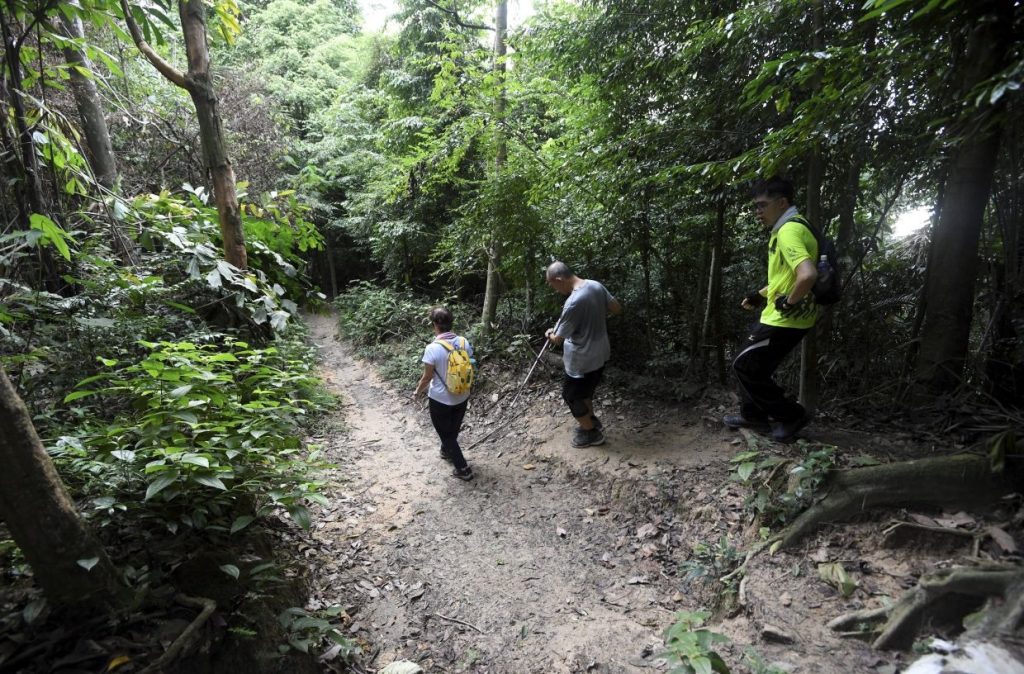
KUALA LUMPUR, May 29 -- The tendency among some individuals to underestimate the mountain, fuelled by the pursuit of instant popularity on social media, has been identified as one of the main factors contributing to the rising number of missing hikers and emergency incidents in the forest. Mountain Medicine Society Malaysia president Muhamad Aliff Abdullah said that although more people are taking up outdoor recreational activities, safety awareness among enthusiasts has not grown in tandem with the rising popularity of the activity. He said that the abundance of aesthetic content on digital platforms has given rise to a trend of “express hikers” who are obsessed with chasing peaks or ticking off mountains, for fear of missing out (FOMO). “Many people see hiking as a low-risk activity, while the mountain environment can change very quickly and unpredictably. Problems arise when social media doesn’t reflect the reality of the challenge, but only shows the beautiful end result. “As a result, many go for challenging category trails without basic experience, proper physical training, and without honestly assessing their own abilities. This can lead to a reduced ability to make rational decisions due to extreme fatigue, hypothermia, or acute mountain sickness (AMS),” he told Bernama recently. Muhamad Aliff, an expert in wilderness medicine and high-altitude hiking and climbing, explained that emergencies in the forest are usually the result of a chain of weaknesses, including equipment preparation, fitness levels, terrain, and mental assessment of hikers. He said that among the common critical mistakes in the field are failing to maintain team discipline, refusing to turn back during bad weather, as well as relying too heavily on gadgets without basic navigation and survival skills. Commenting on beliefs surrounding missing hiker incidents and mystical elements or forest taboos, Muhamad Aliff, who is also the 7 Continents Exploration Club of Malaysia (KE7B) president, said that while elders’ customs and advice should be respected as part of culture, modern science must remain the priority. “Many traditional taboos, such as not speaking loudly or not leaving the group, actually carry important safety elements. However, scientifically, what is often seen as ‘mystical disturbances’ is usually caused by dehydration, panic, lack of sleep, or or reduced oxygen to the brain, or high-altitude cerebral oedema (HACE),” he said. In this regard, he suggested that hiking safety management in the country be reformed through a more modern and structured risk management system. Muhamad Aliff also proposed a standard mountain risk-rating classification system, as well as mandatory digital registration systems, including QR codes, live tracking, or emergency beacons for high-risk routes. He also called for stricter action against those engaging in hiking activities without a permit, as well as efforts to strengthen rescue expertise through a national-level outdoor recreation safety education module. “Mountains cannot be challenged with ego. The best reform lies not only in law enforcement, but in building a more mature safety culture within the outdoor recreation community,” he said. Meanwhile, Norimah Abd Karim of Persatuan Malim Gunung Perhutanan (MGP) Selangor said SOP violations, such as ignoring team discipline and refusing to use the ‘buddy’ system in the rush to reach the summit first, remained the biggest challenge faced by mountain guides. With over 10 years of experience, including completing the Trans Titiwangsa expedition, she warned that it is risky for hikers to carry minimal gear just to appear like professional trail runners on social media. “There are hikers who focus more on getting interesting content that they are willing to take risks and neglect their own safety. In fact, there is a trend where they go on ‘Trans’ trips (covering several peaks in one expedition) without enough preparation. “Going with friends on what is expected to be a leisurely hiking experience often turns out differently when faced with the real situation in the field,” said the private sector worker, has been doing mountain guiding since 2022. Norimah said that to minimise risks in the future, she supports the Forestry Department’s move to make MGP services mandatory for hiking activities above 500 metres above sea level, as well as the use of digital tracking applications and efforts to continuously strengthen safety education campaigns. Forest and hiking safety issues have once again come under the spotlight following a series of tragedies, including the case of Jaslinda Saludin, 49, who went missing at Gunung Batu Putih, Tapah, last Saturday, with search and rescue (SAR) efforts still ongoing. Nur Izzati Humaira Azizul, 19, went missing on May 23 while descending Bukit Changkat Asa in Hulu Bernam, Selangor, before her body was recovered four days later by search teams, while in October last year, 34-year-old Mustaqqeem Mansoor died from hypothermia during an expedition at Gunung Liang Barat in Perak. These fatal incidents add to the case of Mohammad Ashraf Hassan, 29, who went missing during the Gopeng Ultra Trail event at Bukit Batu Putih, Gopeng, in March 2019, which remains an unresolved mystery to this day. --BERNAMA

KUALA LUMPUR, May 29 — The tendency among some individuals to underestimate the mountain, fuelled by the pursuit of instant popularity on social media, has been identified as one of the main factors contributing to the rising number of missing hikers and emergency incidents in the forest. Mountain Medicine Society Malaysia president Muhamad Aliff Abdullah […]

New Saudi ambassador stresses strengthening bilateral ties, Hajj commitment, regional outlook
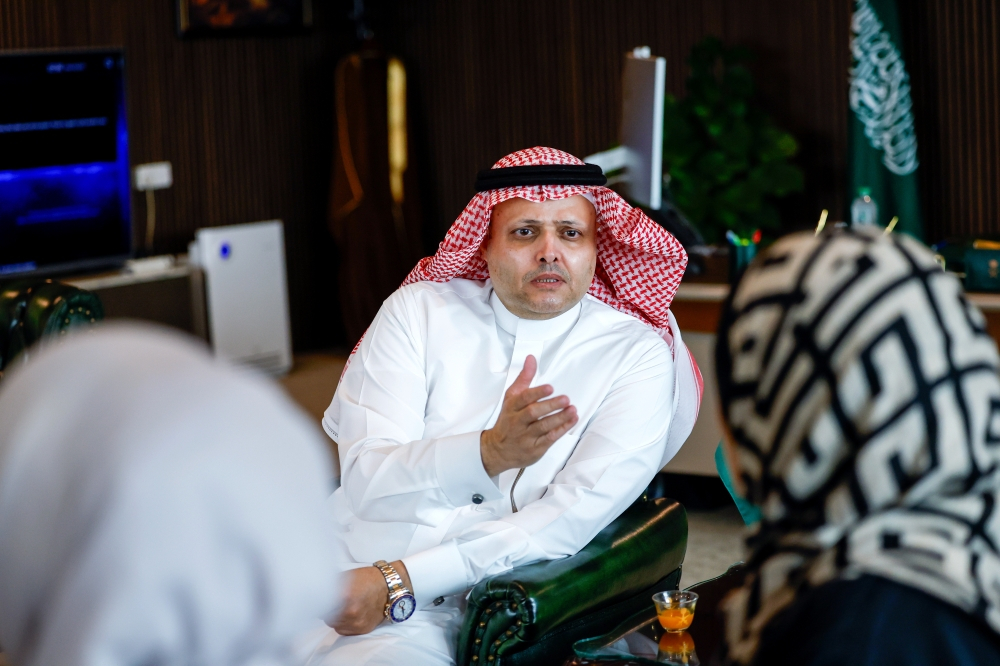
KUALA LUMPUR: The newly appointed Saudi Arabian Ambassador to Malaysia, who began working in the country in January, recently shared his initial views and priorities in an exclusive interview with the Malaysian National News Agency (Bernama). In the interview, Osamah Dakhdel Al Ahmadi commented on the continued progress of Malaysia-Saudi Arabia relations which is strengthened by strong political will as well as growing economic cooperation, particularly in line with Saudi Arabia's Vision 2030. He reaffirmed the Saudi Arabian government's continued commitment to improving services to pilgrims, including those from Malaysia, in addition to outlining the country's diplomatic approach to regional developments by emphasizing stability, restraint and dialogue. Personally, he also expressed his appreciation for Malaysia's culinary diversity, especially beef jerky which is one of his favorite dishes. Below is the full transcript of the interview with Bernama. Malaysia-Saudi Arabia economic relations: How do you assess the current business and investment relations between Malaysia and Saudi Arabia? Are there any new sectors or opportunities that should be explored by both sides? Saudi Arabia-Malaysia relations are witnessing rapid substantive development, reflecting the determination of the leadership of both countries to elevate relations to a broader and stronger level. The most recent exchange of official visits, the visit of Prime Minister Datuk Seri Anwar Ibrahim in 2023-2024 and the Yang di-Pertuan Agong, Sultan Ibrahim to Saudi Arabia in November 2025, has contributed to creating stronger and deeper relations. During the visit, emphasis was placed on strengthening cooperation in priority sectors by leveraging investment opportunities offered through Saudi Arabia's Vision 2030 and Malaysia's Vision MADANI, building on the achievements of the Saudi-Malaysia Coordination Council (SMCC), as well as developing partnerships in various areas that serve the interests of both countries. The two brotherly countries enjoy strong relations and growing political and economic ties, and are committed to continuing this positive path that reflects a shared desire to expand areas of cooperation, enhance mutual trust, and propel relations to broader horizons in the coming phase. Economic cooperation between Saudi Arabia and Malaysia offers broad and growing opportunities, particularly through the conducive environment for quality projects and value-added investments provided by Saudi Arabia's Vision 2030. There is growing interest in developing partnerships in the areas of investment, renewable energy, industry, construction, tourism, logistics and modern technology - sectors in which companies in both countries have their own expertise and which represent priorities in the economic transformation process. This ambition is not limited to increasing the volume of trade exchanges, but also includes building sustainable partnerships based on the transfer of expertise, stimulating joint investments and developing joint projects that benefit both countries. Hajj Preparations: With the Hajj season approaching, how are preparations progressing this year? What assurances can you offer pilgrims, especially regarding safety, logistics and the overall experience? Serving pilgrims is a deep-rooted mission and a primary responsibility of Saudi Arabia, which receives constant attention from its leadership. It is not just a seasonal organizational aspect, but rather an integral part of a comprehensive vision that aims to facilitate the Hajj and Umrah pilgrimage and improve the quality of services provided to them at every stage. Saudi Arabia continues to improve services, organizational infrastructure and technology to provide a more convenient, reassuring and comfortable environment for pilgrims from all over the world, including Malaysia. Saudi Arabia launched the "Makkah Route" initiative which allows pilgrims to complete entry procedures at their respective country's airports before proceeding to their accommodation. The initiative also involves Malaysia, thus reflecting its direct impact in facilitating the travel of Malaysian pilgrims. On the situation in West Asia: How would you describe the current geopolitical landscape in West Asia and what is Saudi Arabia's stance on the ongoing conflict? To what extent do these developments affect Saudi Arabia? Saudi Arabia has a strong vision based on supporting stability, preventing the escalation of crises, and prioritizing political and diplomatic solutions. This stems from the conviction that the security and prosperity of the region can only be achieved through dialogue, respect for national sovereignty, and addressing crises at their root causes, thereby protecting the interests of their people and preventing further escalation of tensions. Saudi Arabia's position is clear and firm. Saudi Arabia condemns Iran's attacks targeting Saudi Arabia, the Gulf States and Jordan, considering them an unacceptable violation of national sovereignty and a direct threat to the security and stability of the region. Saudi Arabia completely rejects any excuses that attempt to justify this attack. Saudi Arabia has officially stated that it will not allow its airspace or territory to be used to attack Iran. Therefore, this allegation is completely unacceptable. Furthermore, Saudi Arabia continues to exercise complete discretion and self-control. Saudi Arabia continues to work in coordination with other countries to support efforts to ease tensions, urge the implementation of a ceasefire, and restore regional stability. These unjustified attacks target countries not involved in the war, attacking civilian infrastructure, energy facilities and residential areas, which directly affects the interests of the people and the population. Saudi Arabia calls for an immediate halt to the attacks, an end to the escalation of tensions, and for international law and the principles of good neighborliness to be observed in order to preserve the security and stability of the region. Energy and global markets: Given the changing dynamics of global energy, how does Saudi Arabia balance its role as a major oil producer with the global shift towards renewable energy? Saudi Arabia addresses the issues of energy market stability and the protection of important waterways in accordance with international law. It stressed the importance of the security of maritime routes and freedom of navigation, including the Strait of Hormuz and the Strait of Bab el-Mandeb. Any threat to these waterways not only affects the global economy and international energy security, but also affects the movement of trade and essential goods, including food supplies, which directly impact the needs of the country and its people. From this perspective, Saudi Arabia's East-West pipeline stands out as an important strategic route for enhancing global supply stability, especially given the escalating military confrontation and its direct impact on maritime traffic in the Strait of Hormuz. This pipeline gives Saudi Arabia significant flexibility in transporting supplies to the Red Sea coast via safe alternative routes, thus ensuring continuity and reliability of supply and reducing the impact of regional tensions. Crisis response and humanitarian efforts: How does the Government of Saudi Arabia contribute to humanitarian assistance and reconstruction efforts in areas affected by conflict? Saudi Arabia plays a leading role through its unwavering commitment to its responsibilities. Humanitarian assistance to people affected by war, natural disasters, and humanitarian crises is provided by the King Salman Humanitarian Aid and Relief Center (KSRelief), which implements impactful projects and programs that have alleviated the suffering of millions of people in need around the world. The center has implemented over 4,000 humanitarian and emergency assistance projects in 113 countries at a cost of over US$8 billion across a variety of critical sectors. These projects have contributed to providing immediate assistance to those affected, in addition to supporting development programs that promote stability and improve the quality of life in beneficiary communities. Saudi Arabia ranks second globally and first among Arab countries in providing humanitarian aid and relief by 2025. In addition, Saudi Arabia continues its humanitarian support for the Palestinian people through KSRelief. The center's official data shows that 78 aircraft and eight ships have been dispatched carrying more than 7,706 tons of aid, in addition to 914 aid trucks, 20 ambulances, and aid agreements worth more than US$90 million, reflecting a combination of political stance with direct and planned humanitarian action. Saudi Arabia has consistently emphasized in its official stance and statements its clear rejection of the Israeli aggression and continued violations against the Palestinian people. The country is also actively engaging diplomatically with its regional and international partners to support a more effective stance on the development. Among the most recent examples is the joint stance of the Foreign Minister of Saudi Arabia and several Arab and Islamic countries in rejecting the decision passed by the Knesset (Israeli Parliament) on the execution of Palestinian prisoners, considering it a dangerous escalation that undermines opportunities for stability. Saudi Arabia continues its active political role, in collaboration with France, in leading international efforts to implement a two-state solution. -- BERNAMA

KUALA LUMPUR: The newly appointed Saudi Arabian Ambassador to Malaysia, who began working in the country in January, recently shared his initial views and priorities in an exclusive interview with the Malaysian National News Agency (Bernama). In the interview, Osamah Dakhdel Al Ahmadi commented on the continued progress of Malaysia-Saudi Arabia relations which is strengthened […]