PERKESO Uncovers Daya Kerjaya Incentive Claim Fraud Via AFEI Monitoring

KUALA LUMPUR, June 8 -- Fraudulent claims under the Daya Kerjaya programme incentive have been successfully uncovered through continuous internal controls implemented by the Social Security Organisation (PERKESO) since late 2024, leading to a series of arrests. PERKESO group chief executive officer Datuk Seri Dr Mohammed Azman Aziz Mohammed said the discovery proves the effectiveness of the artificial intelligence (AI) driven internal monitoring system under its Anti-Fraud, Ethics and Integrity (AFEI) division in identifying irregularities or anomalies for further scrutiny. “Every irregularity will be followed up with immediate action by a special task force that conducts field intelligence to verify whether the claim is legitimate or contains elements of fraud. “Since late 2024, PERKESO’s AFEI has been gathering evidence before submitting information to the Malaysian Anti-Corruption Commission (MACC) for enforcement and arrests,” he said in a statement today. He added that PERKESO’s internal controls and cooperation with MACC have led to the exposure of fraudulent activities under the Daya Kerjaya 1.0 and 2.0 schemes to date. Mohammed Azman said the close cooperation between PERKESO and the MACC continues under Ops Tunjang, which has led to the exposure of white-collar criminal fraud activities, including those involving medical practitioners. In this regard, he said PERKESO will continue to strengthen its internal controls to combat fraudulent activities that seek to misappropriate social security funds meant for those in need, particularly contributors and their dependents. “PERKESO does not compromise on any cases of fraud. Through the technology available within the AFEI division, every claim will be subject to strict monitoring. “We wish to emphasise to all parties, both internal and external, that PERKESO will continue to work with the authorities and take firm action to combat fraud, misappropriation, and manipulation of claims,” he said. -- BERNAMA

KUALA LUMPUR, June 8 — Fraudulent claims under the Daya Kerjaya programme incentive have been successfully uncovered through continuous internal controls implemented by the Social Security Organisation (PERKESO) since late 2024, leading to a series of arrests. PERKESO group chief executive officer Datuk Seri Dr Mohammed Azman Aziz Mohammed said the discovery proves the effectiveness […]

Environmental sustainability is the key to national food security – Mohamad Sabu
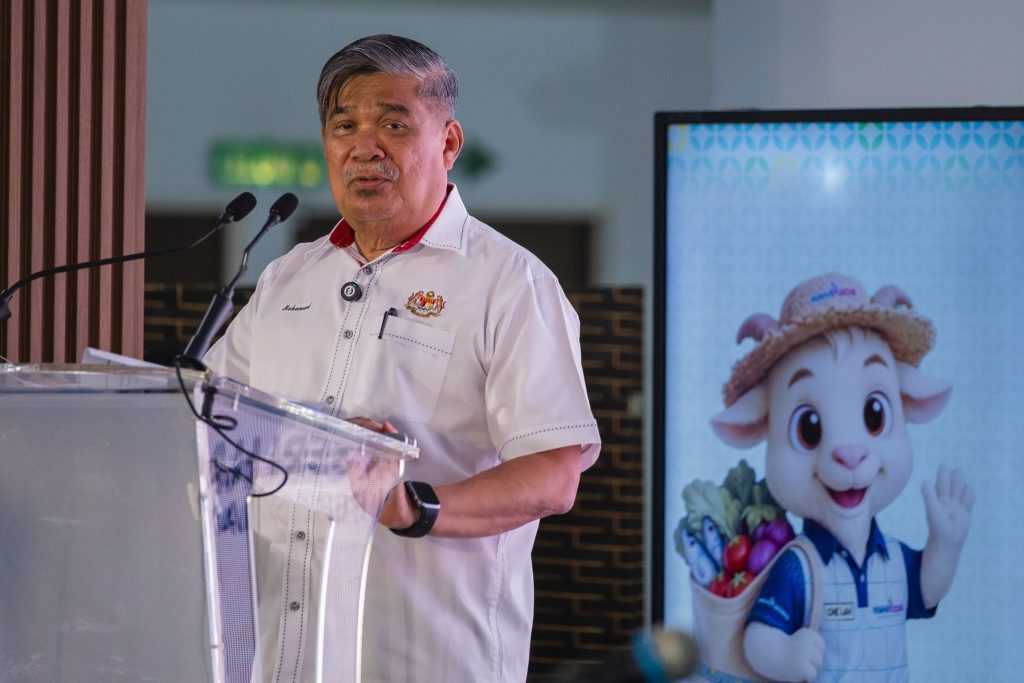
KUALA LUMPUR: Environmental sustainability needs to be given serious attention for the safety and security of the country's food sources for future generations, said Agriculture and Food Security Minister Datuk Seri Mohamad Sabu. Through a post on Facebook, he said the people need to play a collective role in facing the challenges of climate change that are currently occurring. “Climate change is no longer a future issue but a challenge we are facing today. "As Malaysians, we all have a role in preserving the environment through small actions that have a big impact, reducing waste, maintaining cleanliness, planting trees and using resources prudently," he said. He said this in conjunction with the celebration of World Environment Day with the theme "Global Action for Climate" today. Mohamad also called on the people to work together to foster environmental awareness and take action to ensure that the earth remains green, sustainable and prosperous. “One World. One Action. One Hope,” he said. -- BERNAMA

KUALA LUMPUR: Environmental sustainability needs to be given serious attention for the safety and security of the country’s food sources for future generations, said Agriculture and Food Security Minister Datuk Seri Mohamad Sabu. Through a post on Facebook, he said the people need to play a collective role in facing the challenges of climate change […]

Saifuddin: MADANI Govt Firm On Protecting Malaysians Abroad, Demands Probe Into Gaza Flotilla Abuse
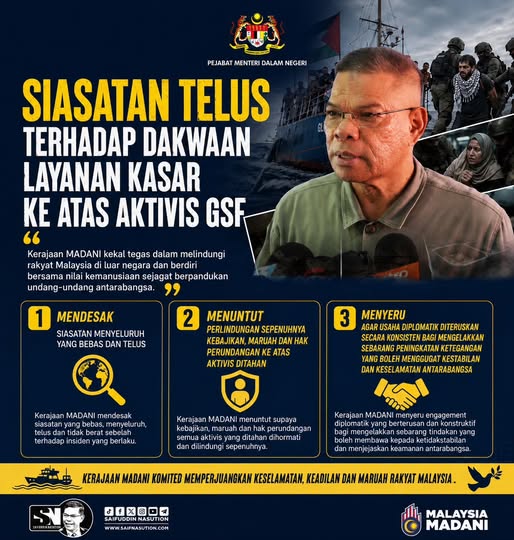
KUALA LUMPUR, May 28 -- The MADANI Government remains firm and will not compromise on protecting the safety, welfare, and rights of Malaysians abroad, in line with international legal principles and universal humanitarian values. Minister of Home Affairs Datuk Seri Saifuddin Nasution Ismail said that the government demands an immediate, comprehensive, independent, and transparent investigation into the harsh treatment of Malaysian citizens and Global Sumud Flotilla (GSF) 2.0 activists detained by Israeli forces during a recent humanitarian mission to Gaza. "The government also demands that the welfare, dignity, and legal rights of all detained activists be fully respected and protected," he said in a post on his Facebook page today. Furthermore, he said the government calls for consistent diplomatic efforts to prevent any escalation of tensions that could threaten international stability and security. "As Malaysians, we are deeply concerned when allegations arise involving harsh physical treatment, elements of intimidation, and the denial of basic rights to the activists involved. "I understand that various parties, including human rights organisations and legal representatives, are currently gathering testimonies and evidence related to the incident," he said. He added that the government will continue to monitor the situation closely and ensure that the interests and safety of Malaysian citizens remain a top priority. A total of 28 Malaysians who participated in the GSF 2.0 humanitarian mission to Gaza and were detained by Israeli forces safely arrived back in the country last Monday. However, another activist, Razman Mat Ali, is reported to be still in Istanbul, Turkiye, receiving treatment after suffering a traumatic pneumothorax (collapsed lung) as a result of being punched by Israeli soldiers during the incident. --BERNAMA

KUALA LUMPUR, May 28 — The MADANI Government remains firm and will not compromise on protecting the safety, welfare, and rights of Malaysians abroad, in line with international legal principles and universal humanitarian values. Minister of Home Affairs Datuk Seri Saifuddin Nasution Ismail said that the government demands an immediate, comprehensive, independent, and transparent investigation […]

Informa Markets Puts Bangkok at the Center of Southeast Asia’s Pharma Industry, Uniting 400 Exhibitors, Experts from 70 Countries at CPHI South East Asia
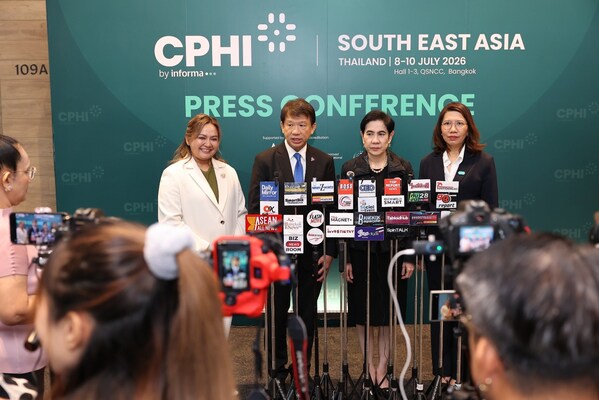
BANGKOK, May 24, 2026 /PRNewswire/ -- Informa Markets sets to organise CPHI South East Asia from 8–10 July 2026 at Queen Sirikit National Convention Center under the theme "The Gateway to the ASEAN Pharma Industry." The event is a comprehensive pharmaceutical manufacturing exhibition, technology showcase, and conference for Southeast Asia, featuring innovations from more than 400 companies worldwide. Highlights include international pavilion zones from eight markets, showcasing innovation trends from Mainland China, India, Indonesia, Malaysia, South Korea, Taiwan, Thailand, Vietnam, and Egypt. The event will also provide business matching opportunities and over 60 academic conference sessions. Organisers expect more than 10,000 visitors from over 70 countries during the three-day event, creating new business opportunities throughout the exhibition. Ms. Rungphech Chitanuwat, Regional Portfolio Director – ASEAN at Informa Markets said, "The pharmaceutical industry in Thailand continues to show strong growth potential, supported by several factors including the country's transition into a fully aged society, the increasing prevalence of non-communicable diseases (NCDs), healthcare system expansion, growth in medical tourism, and the use of essential medicines in hospitals under Thailand's universal healthcare system. In 2024, Thailand's pharmaceutical industry was valued at approximately THB 240 billion (around 6.9 billion dollars), and is projected to grow by 6–7% due to these supporting factors. Market research agencies also forecast that by 2030, the industry could reach a value of 480 billion baht or 13.9 billion dollars. Another key trend to watch is the increasing push from both the public and private sectors toward pharmaceutical development and innovation, including both generic drugs and newly developed medicines. This aligns with government efforts to strengthen pharmaceutical security. Pharmaceutical and healthcare security has therefore become a national policy priority aimed at raising public healthcare standards and strengthening the country's economy as Thailand seeks to join the OECD within five years. Policies also focus on reducing reliance on imported medicines, supporting domestic active pharmaceutical ingredient (API) production, and increasing manufacturing capacity for essential medicines in line with actual production costs. This is the driving force behind the organization of CPHI South East Asia, a technology and innovation exhibition with the important goal of contributing to Thailand's pharmaceutical security. The event aims to help drive both healthcare and the economy forward, positioning Thailand as a Medical Hub for Southeast Asia through internationally standardized pharmaceutical manufacturing and enhanced competitiveness in global export markets. Ms. Rungphech added, "Pharmaceutical security is a shared responsibility and a foundation of human security. Government and private sector must work in tandem to ensure Thailand not only has access to medicines, but becomes a country that the world trusts to produce them." "CPHI South East Asia is part of International Healthcare Week and will be held at Queen Sirikit National Convention Center from 8–10 July 2026 under the theme "The Gateway to the ASEAN Pharma Industry." The event will contribute to advancing Thailand's pharmaceutical industry in line with the country's strategic development goals." Ms. Supatra Boonserm, Secretary-General of the Food and Drug Administration (FDA), under the Food and Drug Administration Office (Thai FDA), Ministry of Public Health, stated that in a world where medical technology continues to advance rapidly, we are now entering the era of Advanced Therapy Medicinal Products (ATMPs). These are no longer just "medicines" in the traditional sense, but represent "new hope" for treating diseases once considered incurable — whether through cell therapy, gene therapy, or tissue engineering. Today, the role of the Thai FDA is no longer limited to being merely a "regulator" responsible for screening product safety. It has evolved into an "Innovation Facilitator," aiming to position Thailand as a true regional healthcare hub. The FDA's key mission in supporting ATMPs is built upon three major pillars: 1.Creating a Regulatory "Fast Track" (Regulatory Excellence) Complex innovations require regulations that are both flexible and rigorous. The FDA has therefore developed legal frameworks aligned with international standards, covering product classification and dedicated GMP standards specifically for ATMPs. This ensures that products developed by Thai innovators meet global standards and can confidently compete in international markets. 2. Serving as a Strategic Partner for Researchers and Entrepreneurs (Proactive Partnership) The FDA has implemented a Pre-submission Consultation mechanism to provide technical guidance before formal approval applications are submitted. It has also introduced Fast Track pathways for products addressing urgent medical needs, helping reduce unnecessary delays and barriers while maintaining patient safety as the highest priority. 3. Building an "Ecosystem of Trust" (Ecosystem of Trust) The FDA oversees clinical trials to ensure ethical compliance and maintains long-term post-market safety monitoring systems. This is intended to build confidence among both patients and healthcare professionals that these innovations will remain effective and safe in a sustainable manner. Mr. Surachai Ruengsuksilp, Honorary Chairman of the Pharmaceutical Industry Group under the Federation of Thai Industries and Vice President of the Thai Pharmaceutical Manufacturers Association (TPMA), stated that the pharmaceutical industry is not merely an economic driver, but also a "critical infrastructure for national security." Currently, Thailand's pharmaceutical market is valued at more than THB 240 billion. Amid these opportunities, the Federation of Thai Industries has established a strategic direction to position Thailand as a full-fledged Regional Pharma Hub through three key strategies: 1.Transforming from an "Importer" to a "Producer for Security" Reducing dependence on imported medicines by promoting domestic production of Active Pharmaceutical Ingredients (APIs), thereby reducing vulnerability to global crises. 2. Upgrading from "Basic Medicines" to "Advanced Innovation" Supporting Thai pharmaceutical manufacturers in upgrading to internationally recognized PIC/S GMP standards, enabling Thai medicines not only to serve the CLMV market but also to expand exports globally. 3. Building a Strong Pharmaceutical Ecosystem Driving collaboration with the government and the Board of Investment (BOI) to create an investment environment conducive to research and development, while also reforming procurement regulations to better reflect actual quality-based costs. This is intended to help Thai pharmaceutical companies remain competitive and achieve sustainable growth. The Federation of Thai Industries aims to make Thailand "a regional production base for high-quality and affordable medicines," focusing not only on economic growth figures, but also on ensuring that Thai people have sufficient access to safe medicines under all circumstances. Dr.Ponthip Wirachwong Ph.D. Deputy Managing Director, Government Pharmaceutical Organization (GPO), stated that beyond its primary role in pharmaceutical manufacturing, the organization's core mission is to ensure confidence in Thailand's healthcare system by guaranteeing that Thai people will never face medicine shortages during crises or at any time. In the past, Thailand has experienced epidemics and natural disasters, and the GPO has maintained reserve systems for essential medicines and medical supplies to ensure that hospital operations can continue without disruption caused by delays. "Even the most advanced medicine fails if it remains out of reach. GPO's mission is simple: ensure every Thai patient has access to safe, quality medicines — at a price that doesn't force them to choose between health and survival," she said. -- SOURCE : Informa Markets

BANGKOK, May 24, 2026 /PRNewswire/ — Informa Markets sets to organise CPHI South East Asia from 8–10 July 2026 at Queen Sirikit National Convention Center under the theme “The Gateway to the ASEAN Pharma Industry.” The event is a comprehensive pharmaceutical manufacturing exhibition, technology showcase, and conference for Southeast Asia, featuring innovations from more than […]

ASEAN targets 30 percent intra-regional trade by 2030 – Mohamad
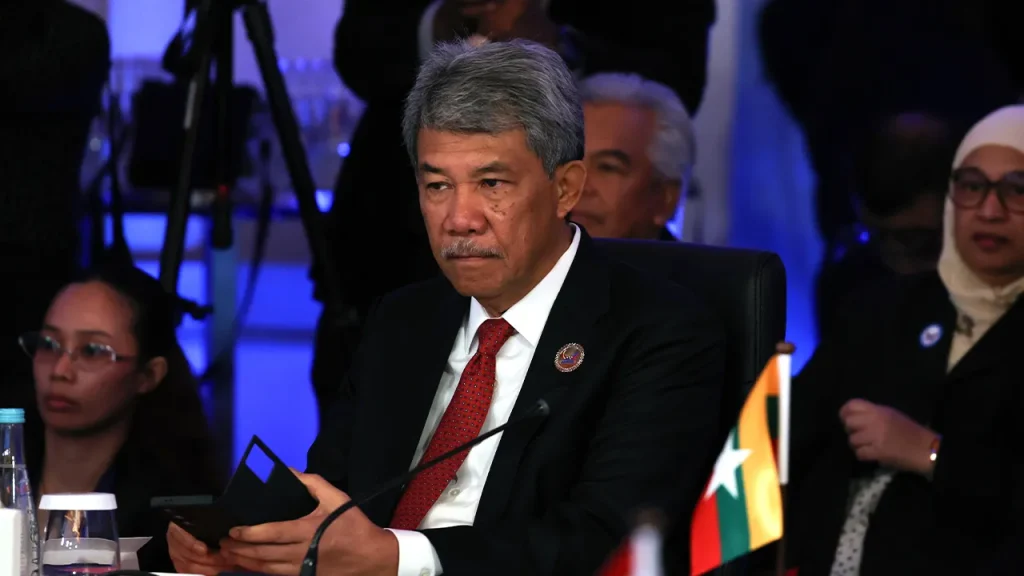
CEBU: ASEAN is committed to strengthening intra-regional trade, including increasing trade between member countries to at least 30 percent by 2030. Foreign Minister Datuk Seri Mohamad Hasan said ASEAN member states need to move as a more organised and united bloc to address the impact of global conflicts, including disruptions to regional trade, economy and security, especially during conflicts in West Asia. He said ASEAN needs to emphasize efforts to streamline free trade agreements (FTAs) and facilitate the movement of goods among member countries to strengthen intra-ASEAN trade. "Intra-ASEAN trade has not yet reached 25 percent. We want trade between ASEAN countries to reach at least 30 percent by 2030." "We are looking at the current status, the obstacles and the steps that need to be taken. Therefore, we want the memorandum of understanding (MoU), ASEAN FTA and the movement of goods to be streamlined." "If possible, trade between ASEAN countries should also not be subject to tariffs," he told Malaysian media on Thursday. Mohamad said the conflict in West Asia was an important lesson to ASEAN that cooperation and understanding among member countries was essential to face regional and global challenges. "Each has its strengths and advantages. We need to find a formula for how we can strengthen cooperation and help each other," he said. Regarding the ASEAN Foreign and Economic Ministers' Joint Meeting held on Thursday, Mohamad said it was an initiative initiated under the Malaysian chairmanship to ensure coordination between the political-security and economic pillars. He said that ASEAN's development had previously been largely based on political and security aspects, but the focus had now shifted to strengthening the economy and more comprehensive regional cooperation. He said that a joint meeting involving ASEAN Foreign Ministers and Economic Ministers was held to ensure that every decision could be coordinated across all ASEAN pillars, including economic, social and cultural.

CEBU: ASEAN is committed to strengthening intra-regional trade, including increasing trade between member countries to at least 30 percent by 2030. Foreign Minister Datuk Seri Mohamad Hasan said ASEAN member states need to move as a more organised and united bloc to address the impact of global conflicts, including disruptions to regional trade, economy and […]

Malaysia Urged To Strengthen ASEAN Centrality Amid Global Uncertainties
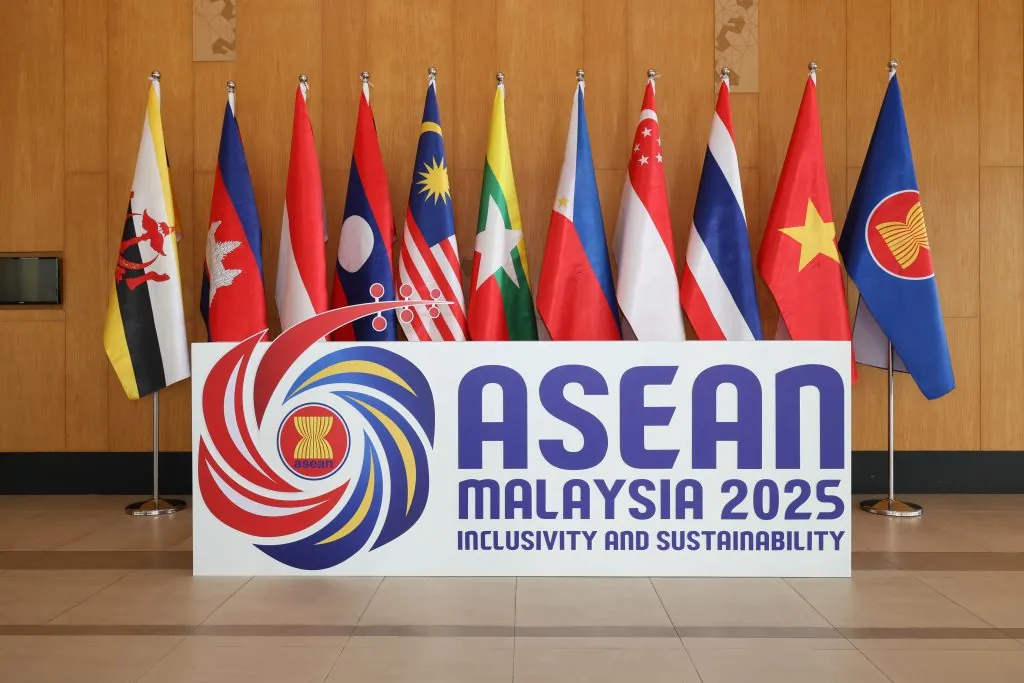
KUALA LUMPUR, April 10 -- Malaysia must continue to strengthen the concept of ASEAN Centrality and ASEAN Vision 2045 as catalysts for regional cooperation in facing increasingly challenging global geopolitical uncertainties, particularly conflicts in West Asia, according to experts. Cyber warfare expert and security and political analyst at the Centre for Media and Information Warfare Studies, Universiti Teknologi MARA (UiTM), Dr Noor Nirwandy Mat Noordin, said that although ASEAN was not a military-based alliance, it played a significant role in maintaining stability through continuous and principled diplomatic approaches. He said the approach was crucial to ensure ASEAN member states remained united and capable of acting collectively in addressing external pressures, including geopolitical conflicts and major power rivalries. “Malaysia is capable of steering this diplomatic approach to ensure alignment in thinking among ASEAN leaders, thereby making the ASEAN Centrality concept a fundamental bulwark against regional threats,” he told Bernama. Prime Minister Datuk Seri Anwar Ibrahim had previously stressed that Malaysia must adopt a prudent diplomatic approach in facing global economic uncertainties that affected supply chains and commodity prices. The Prime Minister said that while Malaysia maintained a firm stance on international issues, trade and economic relations with major world powers must be managed strategically, while maintaining good ties with various countries without compromising national interests. Elaborating further, Noor Nirwandy said Malaysia must maintain a neutral policy as the foundation of its international relations, while strengthening national defence in terms of mindset, assets and overall defence cohesion. “However, the most important aspect is diplomacy and ASEAN unity as the region’s main strength,” he said, stressing that strong diplomatic capabilities could prevent tensions from escalating into open conflict. He emphasised that efforts to strengthen national resilience should not only focus externally, but must also be supported by internal strength, including unity among the people and social cohesion. “A security-oriented mindset (awareness in managing security risks to protect the nation) will prevent unnecessary debates over trivial issues amid challenging geopolitical and economic uncertainties,” he said. According to Noor Nirwandy, the government must also empower society through a strategic communication plan based on patriotism and national unity, while producing more leaders who serve as agents of unity. “Concepts such as ‘Malaysia MADANI’ and unity of thought grounded in patriotism must be strengthened with the support of leaders and community figures to ensure the people are better prepared to face any unexpected challenges, including global economic crises or regional conflicts, without affecting national stability. “Malaysia currently has strong political resilience, but society must continue to support national development and build a security mindset. Politicians, whether from the government or opposition, must prioritise national security issues and geopolitical threats with a more unified approach,” he said. Noor Nirwandy added that Malaysia could remain a peaceful, stable and resilient nation amid global uncertainties through a combination of diplomatic strength, neutrality and strong national unity. Meanwhile, a lecturer at the Centre for Social Sciences Studies, Universiti Sains Malaysia, Prof Datuk Dr P. Sivamurugan, said Malaysia, as a small and medium-sized country, must act wisely and not rely solely on vocal assertiveness. He said key strategies included practising a neutral policy to ensure Malaysia remained balanced in its relations with major powers, while strengthening economic diversification efforts to reduce reliance on specific sectors and enhance resilience against external shocks. He added that strengthening food and energy security should be prioritised to ensure a stable and sustainable supply, while multilateral diplomacy must be reinforced with ASEAN as a collective safeguard in maintaining stability. “Domestic unity must also continue to be strengthened to avoid political divisions and ensure national stability is preserved. “Small nations do not prevail through strength, but through wisdom and balance,” he said, stressing the importance of a cautious yet effective strategic approach. While noting that Malaysia had strong political resilience based on a mature democratic system, functioning institutions, a diversified economy and experience in managing past crises, Sivamurugan said risks such as political and ethnic polarisation, internal instability that could be manipulated, and public political fatigue could undermine national resilience. -- BERNAMA

KUALA LUMPUR, April 10 — Malaysia must continue to strengthen the concept of ASEAN Centrality and ASEAN Vision 2045 as catalysts for regional cooperation in facing increasingly challenging global geopolitical uncertainties, particularly conflicts in West Asia, according to experts. Cyber warfare expert and security and political analyst at the Centre for Media and Information Warfare […]