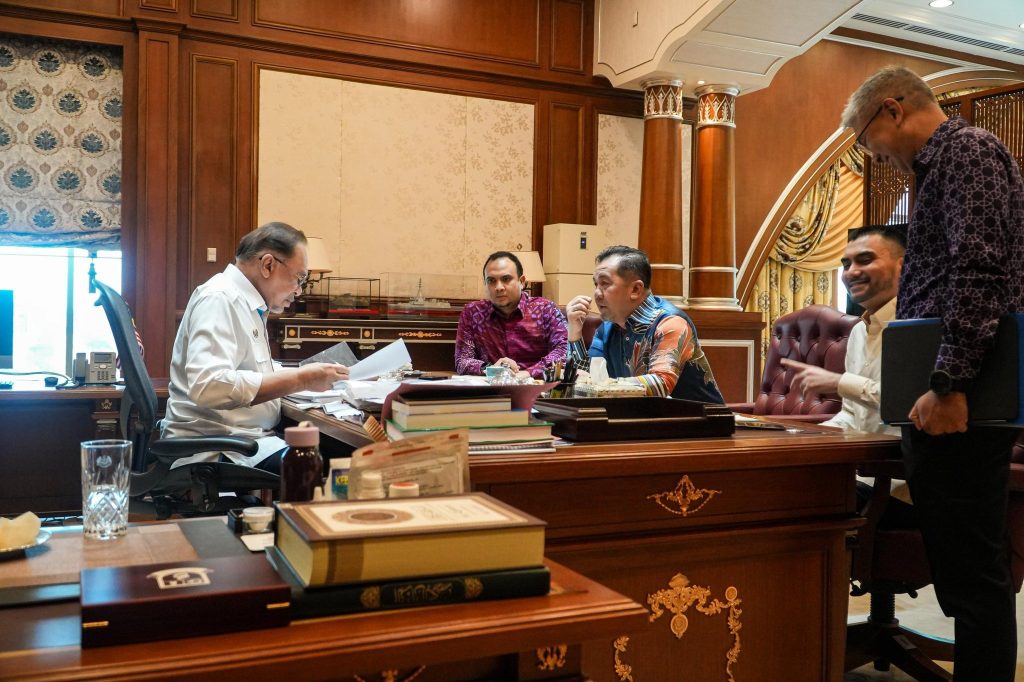
PM ANWAR IBRAHIM, PM ALBANESE DEEPEN STRATEGIC PARTNERSHIP, FOCUS ON ENERGY SECURITY AND REGIONAL STABILITY
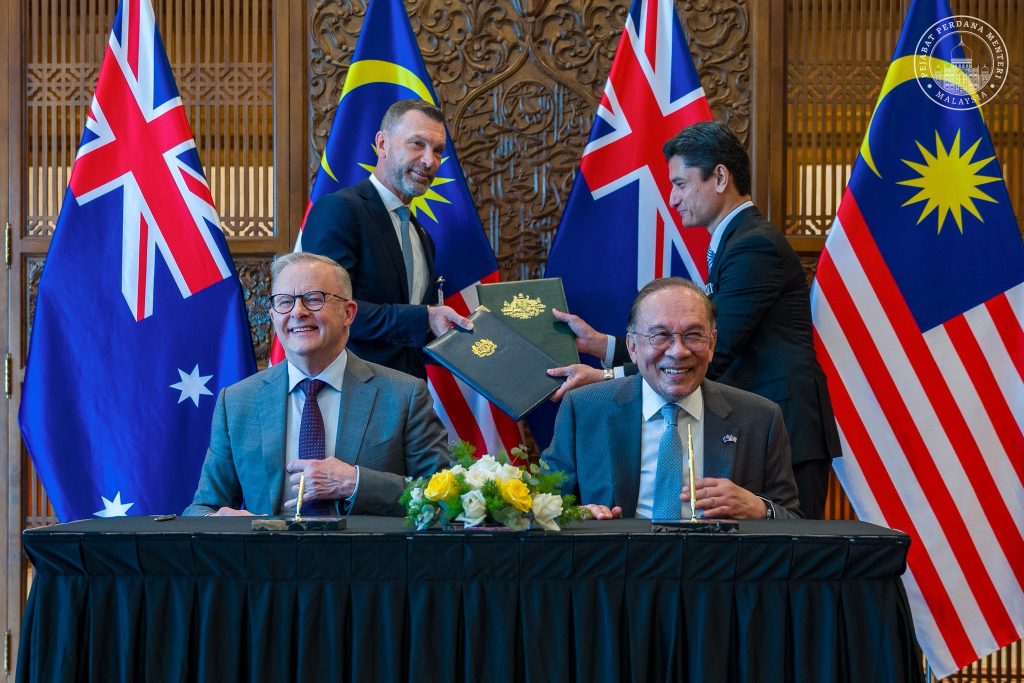
PUTRAJAYA, 16 APRIL -- Prime Minister Anwar Ibrahim held a bilateral meeting with Australian Prime Minister Anthony Albanese following an official welcome ceremony, as both leaders reaffirmed their commitment to strengthening Malaysia–Australia ties across key strategic sectors. The meeting, conducted in a closed-door one-on-one session, focused on advancing cooperation under the Comprehensive Strategic Partnership, which underscores shared priorities in ensuring regional prosperity, security, stability, and long-term economic growth. Both nations reiterated their commitment to open markets and rules-based trade, anchored in mutual trust and strategic alignment. During the discussions, Anwar and Albanese expressed deep concern over ongoing conflicts in West Asia and their broader implications, particularly on global energy supply chains, pricing volatility, and the flow of critical resources such as oil and natural gas. Both leaders acknowledged the importance of complementing each other’s roles in trade and economic relations, especially in the area of energy security. Malaysia and Australia, they noted, serve as key energy suppliers to one another, reinforcing the need for closer coordination. They also emphasized a shared commitment to maintaining open and rules-based energy trade, ensuring stable trade flows, enhancing transparency, and strengthening collaboration in energy security. Efforts will be intensified to build more resilient energy supply chains, support the transition toward cleaner energy, and expand the adoption of renewable energy sources. The discussions reflect a unified vision to safeguard economic stability and shared prosperity, while reinforcing the Malaysia–Australia partnership as a key pillar in navigating evolving regional and global challenges. -- Minutes MY / Igneseous Noris -- Credit: FB Anwar Ibrahim

PUTRAJAYA, 16 APRIL — Prime Minister Anwar Ibrahim held a bilateral meeting with Australian Prime Minister Anthony Albanese following an official welcome ceremony, as both leaders reaffirmed their commitment to strengthening Malaysia–Australia ties across key strategic sectors. The meeting, conducted in a closed-door one-on-one session, focused on advancing cooperation under the Comprehensive Strategic Partnership, which […]

Songkran 2026 In Malaysia Emphasises Mindful Celebration, Stronger Thai-Malaysian Relations
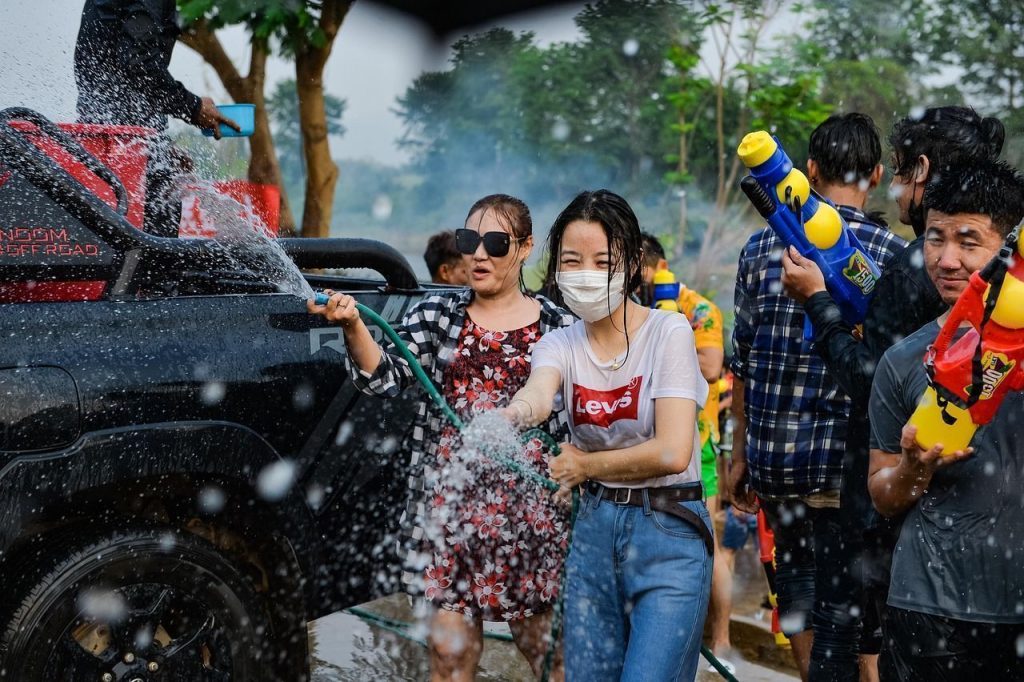
PETALING JAYA -- Malaysia’s Premier Songkran Festival 2026 offers a platform to strengthen long-standing people-to-people and cultural ties between Malaysia and Thailand as both countries mark the 70th anniversary of diplomatic relations in 2027. Thailand’s Ambassador to Malaysia Lada Phumas said the 11-day festival, held from April 9 to 19, also serves as a vibrant showcase of Thailand’s tourism and creative economy, reflecting its broader push to position itself as a key strategic player on the global stage. “While we are bringing the spirit of Songkran and authentic Thai offerings to Malaysia, I would also like to invite our Malaysian and international friends to experience Songkran traditions in Thailand. “Let us use this festival to strengthen the people-to-people and cultural ties that have bound us for decades, as we join hands on our journey towards the 70th anniversary of Thailand-Malaysia diplomatic relations next year,” she said at the official launch of the festival on Friday. Also present were Digital Minister and Damansara Member of Parliament Gobind Singh Deo, ambassadors and high commissioners accredited to Malaysia, as well as members of the ASEAN Ladies’ Circle. Songkran, Thailand’s traditional New Year festival, is celebrated annually from April 13 to 15, marking the start of the Thai New Year. “Songkran in Thailand” was inscribed on UNESCO’s Representative List of the Intangible Cultural Heritage of Humanity in 2023. Lada said this year’s festival emphasises experiencing Songkran in a more meaningful and sustainable way. “We aim to balance our legendary ‘sanuk’, the Thai word for fun, with sustainability and responsibility. From water-splashing festivities to traditions such as pouring water on elders and traditional Songkran dances, a vibrant showcase of Thai music and performances awaits visitors. “As Songkran symbolises renewal and family unity, we hope the celebration, especially amid current global challenges, will embrace mindful practices, from the responsible use of water to energy conservation, ensuring that our traditions are preserved for future generations,” she said. She said the Royal Thai Embassy has been actively enhancing bilateral cooperation through cultural programmes, economic forums and strategic dialogues, while advancing initiatives to support trade, tourism and people-to-people connectivity. Malaysia’s Premier Songkran Festival 2026 at 1 Utama Shopping Centre is one of the key cultural events that has drawn tens of thousands of visitors annually since its inception, now entering its fourth consecutive year. This year, organisers are projecting a turnout of more than 80,000 visitors, reinforcing its position as a major regional attraction. The festival also offers a Thai street market featuring 50 curated booths, including more than 40 authentic Thai food vendors, alongside desserts, beverages, fashion and lifestyle products, as well as carnival attractions. Festival-goers can indulge in popular Thai favourites such as Pad Thai, tomyam, som tam, mango sticky rice and Thai iced tea, offering an immersive street food experience reminiscent of Bangkok’s vibrant

PETALING JAYA — Malaysia’s Premier Songkran Festival 2026 offers a platform to strengthen long-standing people-to-people and cultural ties between Malaysia and Thailand as both countries mark the 70th anniversary of diplomatic relations in 2027. Thailand’s Ambassador to Malaysia Lada Phumas said the 11-day festival, held from April 9 to 19, also serves as a vibrant […]

Malaysia Urged To Strengthen ASEAN Centrality Amid Global Uncertainties
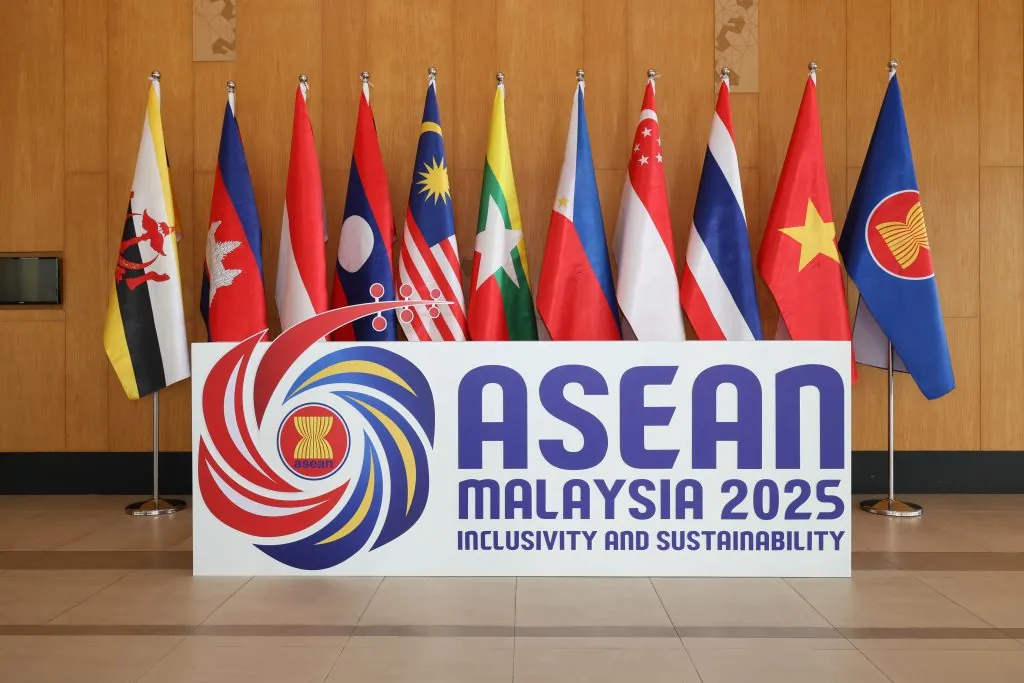
KUALA LUMPUR, April 10 -- Malaysia must continue to strengthen the concept of ASEAN Centrality and ASEAN Vision 2045 as catalysts for regional cooperation in facing increasingly challenging global geopolitical uncertainties, particularly conflicts in West Asia, according to experts. Cyber warfare expert and security and political analyst at the Centre for Media and Information Warfare Studies, Universiti Teknologi MARA (UiTM), Dr Noor Nirwandy Mat Noordin, said that although ASEAN was not a military-based alliance, it played a significant role in maintaining stability through continuous and principled diplomatic approaches. He said the approach was crucial to ensure ASEAN member states remained united and capable of acting collectively in addressing external pressures, including geopolitical conflicts and major power rivalries. “Malaysia is capable of steering this diplomatic approach to ensure alignment in thinking among ASEAN leaders, thereby making the ASEAN Centrality concept a fundamental bulwark against regional threats,” he told Bernama. Prime Minister Datuk Seri Anwar Ibrahim had previously stressed that Malaysia must adopt a prudent diplomatic approach in facing global economic uncertainties that affected supply chains and commodity prices. The Prime Minister said that while Malaysia maintained a firm stance on international issues, trade and economic relations with major world powers must be managed strategically, while maintaining good ties with various countries without compromising national interests. Elaborating further, Noor Nirwandy said Malaysia must maintain a neutral policy as the foundation of its international relations, while strengthening national defence in terms of mindset, assets and overall defence cohesion. “However, the most important aspect is diplomacy and ASEAN unity as the region’s main strength,” he said, stressing that strong diplomatic capabilities could prevent tensions from escalating into open conflict. He emphasised that efforts to strengthen national resilience should not only focus externally, but must also be supported by internal strength, including unity among the people and social cohesion. “A security-oriented mindset (awareness in managing security risks to protect the nation) will prevent unnecessary debates over trivial issues amid challenging geopolitical and economic uncertainties,” he said. According to Noor Nirwandy, the government must also empower society through a strategic communication plan based on patriotism and national unity, while producing more leaders who serve as agents of unity. “Concepts such as ‘Malaysia MADANI’ and unity of thought grounded in patriotism must be strengthened with the support of leaders and community figures to ensure the people are better prepared to face any unexpected challenges, including global economic crises or regional conflicts, without affecting national stability. “Malaysia currently has strong political resilience, but society must continue to support national development and build a security mindset. Politicians, whether from the government or opposition, must prioritise national security issues and geopolitical threats with a more unified approach,” he said. Noor Nirwandy added that Malaysia could remain a peaceful, stable and resilient nation amid global uncertainties through a combination of diplomatic strength, neutrality and strong national unity. Meanwhile, a lecturer at the Centre for Social Sciences Studies, Universiti Sains Malaysia, Prof Datuk Dr P. Sivamurugan, said Malaysia, as a small and medium-sized country, must act wisely and not rely solely on vocal assertiveness. He said key strategies included practising a neutral policy to ensure Malaysia remained balanced in its relations with major powers, while strengthening economic diversification efforts to reduce reliance on specific sectors and enhance resilience against external shocks. He added that strengthening food and energy security should be prioritised to ensure a stable and sustainable supply, while multilateral diplomacy must be reinforced with ASEAN as a collective safeguard in maintaining stability. “Domestic unity must also continue to be strengthened to avoid political divisions and ensure national stability is preserved. “Small nations do not prevail through strength, but through wisdom and balance,” he said, stressing the importance of a cautious yet effective strategic approach. While noting that Malaysia had strong political resilience based on a mature democratic system, functioning institutions, a diversified economy and experience in managing past crises, Sivamurugan said risks such as political and ethnic polarisation, internal instability that could be manipulated, and public political fatigue could undermine national resilience. -- BERNAMA

KUALA LUMPUR, April 10 — Malaysia must continue to strengthen the concept of ASEAN Centrality and ASEAN Vision 2045 as catalysts for regional cooperation in facing increasingly challenging global geopolitical uncertainties, particularly conflicts in West Asia, according to experts. Cyber warfare expert and security and political analyst at the Centre for Media and Information Warfare […]