Maintaining Fuel Subsidies Eases Burden On People, Curbs Inflation – FOMCA
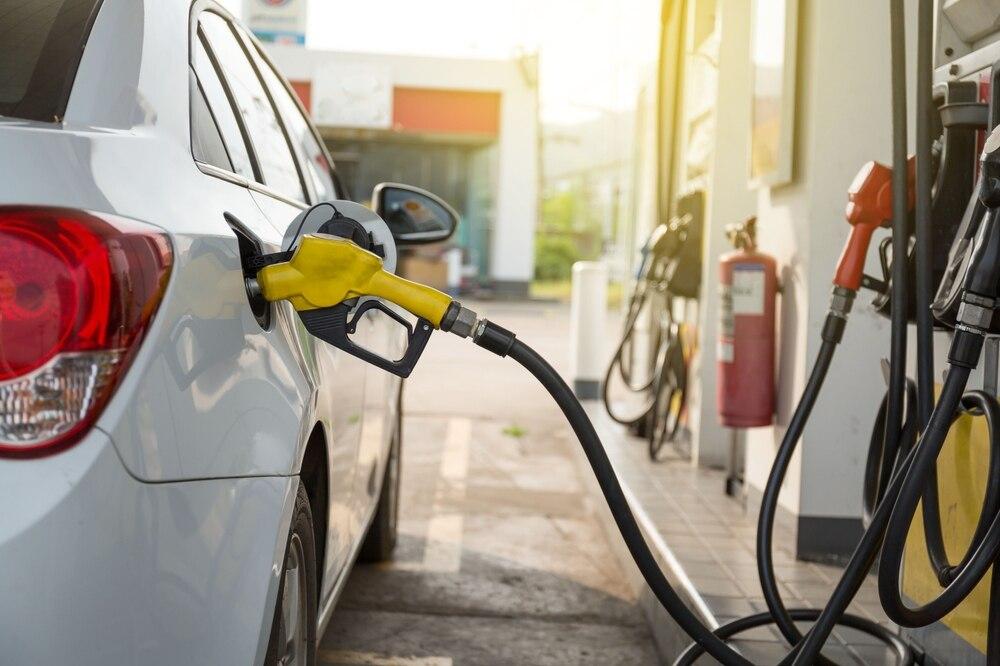
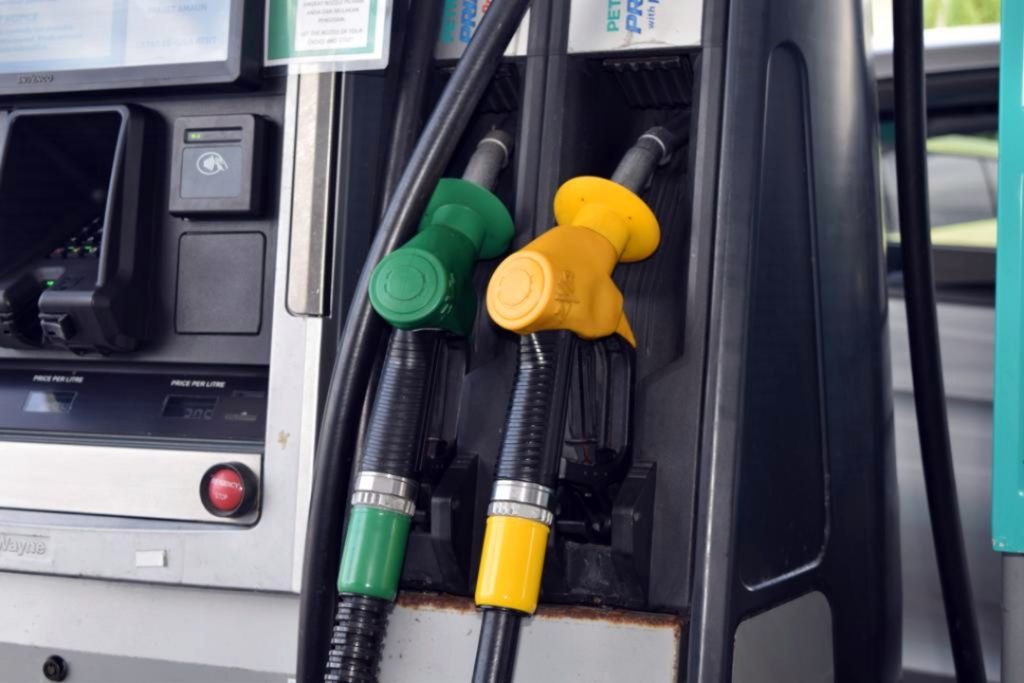
KUALA LUMPUR, June 9 -- The government's commitment to continue bearing the cost of fuel subsidies is seen as helping the people and curbing inflationary pressures, while serving as the country's main shield against the impact of the global supply crisis. Federation of Malaysian Consumers Associations (FOMCA) chief executive officer Dr Saravanan Thambirajah said the organisation welcomed the MADANI Government's initiative as it gives consumers confidence that the people's welfare remains a priority. He said maintaining fuel prices at current levels greatly helps reduce transportation and logistics cost pressures, while also supporting the supply chain to prevent increases in the prices of daily necessities. "However, FOMCA is of the view that fuel prices are not the only factor determining the prices of goods. "Consumers still face challenges from food costs, rental rates, energy costs, wages and various other operating expenses that also influence market prices. Nevertheless, maintaining the RON95 price can act as a buffer against inflation," he told Bernama. Meanwhile, senior lecturer at the Faculty of Economics and Muamalat, Universiti Sains Islam Malaysia, Dr Mohd Shukor Harun, viewed the government's commitment as a responsible measure, particularly in easing the financial burden of the B40 and M40 groups. "However, from a public policy perspective, the existing blanket subsidy mechanism is regressive because it also benefits the wealthy. "If this subsidy is maintained when global crude oil prices surge, the country's fiscal deficit will widen and the expenditure will consume funds that should otherwise be channelled to development, education and healthcare sectors," he said. In this regard, he proposed a more sustainable long-term strategy to ensure continued assistance for the people in facing global economic pressures, including the progressive implementation of targeted subsidies. For food delivery rider Umair Al-Anshaari Rusli, 24, the government's move to maintain the subsidy is a great help as he relies entirely on his vehicle to earn a daily income. "This fuel subsidy is important because it can help control increases in the prices of goods and transportation costs, as we depend heavily on motorcycles or cars to earn a living," he said. Prime Minister Datuk Seri Anwar Ibrahim previously said he did not agree with raising fuel prices while the country was facing a global supply crisis, and stressed that the government would continue efforts to bear fuel subsidy costs by allocating substantial monthly expenditure to prevent the people from being burdened -- BERNAMA

KUALA LUMPUR, June 9 — The government’s commitment to continue bearing the cost of fuel subsidies is seen as helping the people and curbing inflationary pressures, while serving as the country’s main shield against the impact of the global supply crisis. Federation of Malaysian Consumers Associations (FOMCA) chief executive officer Dr Saravanan Thambirajah said the […]

Oil And Gas Supply Secure, But Rising Prices Strain Govt Finances – PM Anwar
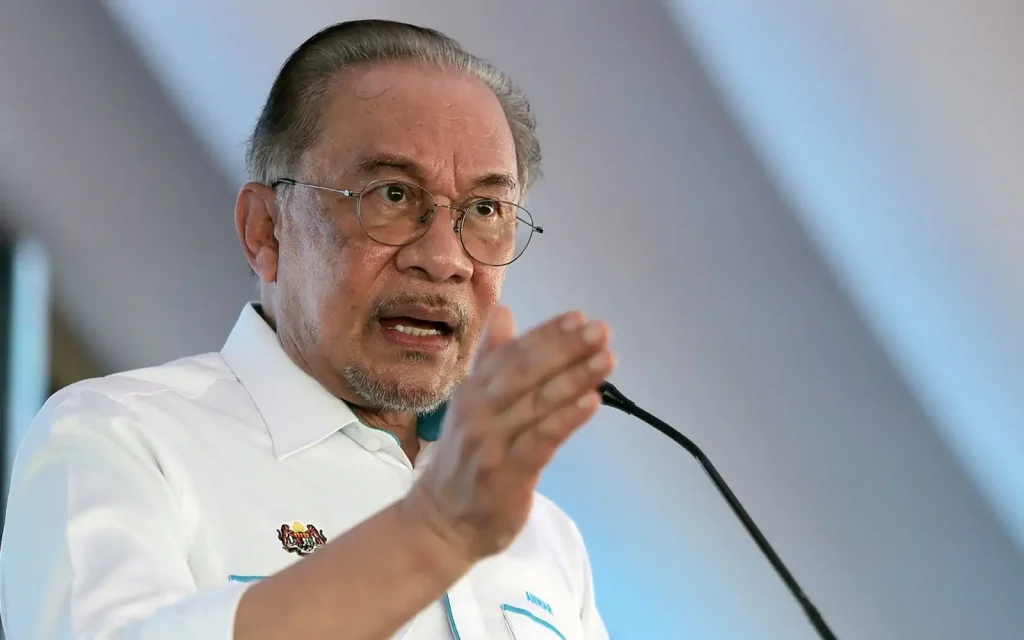
PUTRAJAYA, May 4 -- Prime Minister Datuk Seri Anwar Ibrahim stressed that the country’s oil and gas supply remains secure, but rising global fuel prices continue to strain government finances as it maintains the RON95 price at RM1.99 to protect the majority. He said disruptions and risks to international trade routes due to conflicts in West Asia have led to higher shipping and insurance costs, which in turn are affecting fuel prices. However, he added that Malaysia is still able to ensure sufficient domestic oil and gas supply through its good relations with Iran and other producing countries, including Russia, Turkmenistan and Uzbekistan. “So, fuel supply is assured, but prices are rising. “This is not a problem originating from us, but from external factors. That is why we are compelled to face the challenge of rising fuel prices,” he said while delivering a speech and briefing on the issue at the Ministry of Natural Resources and Environmental Sustainability’s monthly assembly here today. Anwar, who is also Finance Minister, said the government is committed to ensuring that rising global oil prices do not burden the majority of the people through the implementation of the BUDI MADANI RON95 (BUDI95) subsidy, despite having to bear a heavy financial cost. He said that at present, the government is spending RM5 billion a month on fuel subsidies, compared with RM700 million in January when the BUDI95 subsidy was introduced. “Malaysia is still maintaining the RON95 price (RM1.99 per litre)… if prices surge further, the subsidy could exceed RM6 billion a month. But for now, the government is bearing about RM5 billion a month. “In January, when I announced the RON95 subsidy, we were covering RM700 million a month. I thought that was manageable, as Malaysia is not a poor country,” he said. The Prime Minister urged all parties to understand that rising oil prices are a global reality and not the result of weaknesses in domestic policy. Oil prices rose above USD120 a barrel on Thursday after President Donald Trump warned Iran that a United States naval blockade in the Strait of Hormuz could continue for several months. -- BERNAMA

PUTRAJAYA, May 4 — Prime Minister Datuk Seri Anwar Ibrahim stressed that the country’s oil and gas supply remains secure, but rising global fuel prices continue to strain government finances as it maintains the RON95 price at RM1.99 to protect the majority. He said disruptions and risks to international trade routes due to conflicts in […]

GKMM Calls For Special Fuel Quota Exemption For Media Practitioners
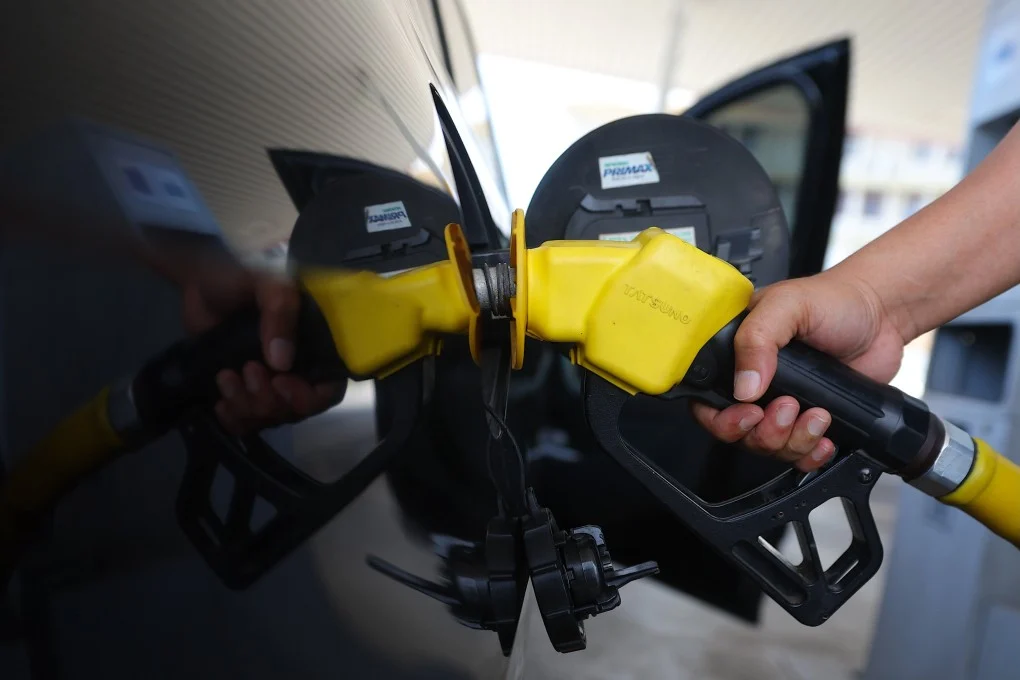
KUALA LUMPUR, April 17 -- The Malaysian Media Clubs Association (GKMM) has called on the government to grant a special exemption allowing registered media practitioners to continue receiving the previous 300-litre monthly quota of RON95 petrol. In a statement today, GKMM said the recent adjustment under the BUDI MADANI RON95 (BUDI95) programme, which reduced the individual quota from 300 litres to 200 litres per month, is posing significant challenges for journalists, photographers and videographers carrying out field assignments. “GKMM has received numerous complaints, particularly from practitioners based in the states, who are required to travel long distances and commute daily to coverage locations. This has caused their 200-litre quota to be depleted well before the end of each month,” the statement said. It added that restoring the higher quota would help ensure smoother field operations while easing the financial burden faced by media personnel amid rising living costs. Effective April 1, the monthly BUDI95 quota was adjusted to 200 litres from 300 litres, following ongoing tensions in West Asia, although the subsidised RON95 price remains at RM1.99 per litre. -- BERNAMA

KUALA LUMPUR, April 17 — The Malaysian Media Clubs Association (GKMM) has called on the government to grant a special exemption allowing registered media practitioners to continue receiving the previous 300-litre monthly quota of RON95 petrol. In a statement today, GKMM said the recent adjustment under the BUDI MADANI RON95 (BUDI95) programme, which reduced the […]

Targeted Subsidies Shield The Public From Global Energy Crisis Impact – Amir Hamzah
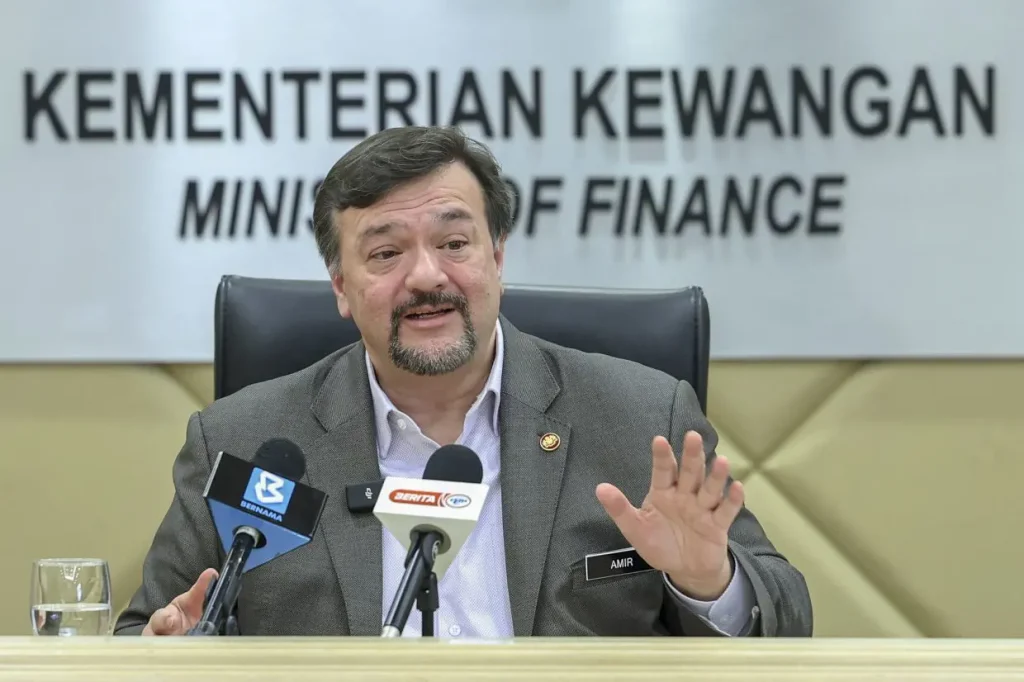
KUALA LUMPUR, April 10 -- The government has created a buffer by maintaining targeted subsidies for RON95 and diesel at fixed prices, while aligning the prices of non-subsidised fuel with market rates to shield the public from the direct impact of the global energy crisis. Finance Minister II Amir Hamzah Azizan said the measure is crucial to protect critical sectors, including fishermen, public transport and eligible logistics vehicles, which continue to enjoy diesel at controlled rates. “Critical sectors that still benefit from subsidised diesel, such as fishermen, continue to receive diesel at RM1.65. “For land public transport vehicles, including school and express buses, ambulances and fire engines, the price is RM1.88 per litre, while eligible logistics vehicles and users in Sabah and Sarawak pay RM2.15 per litre,” he said at a global energy crisis briefing today. He said current global price pressures stem from low supply relative to high demand, security threats, as well as rising shipping and insurance costs. Amir Hamzah said Malaysia’s fuel supply is more robust compared with other countries, with Petroliam Nasional Bhd (Petronas) and several other oil companies managing the nation’s resources responsibly. “We can see this through petrol stations that continue to operate. Malaysians can still purchase fuel. Some countries have already imposed rationing, and hundreds of petrol stations elsewhere have been closed due to supply shortages,” he said. He said the crisis should be viewed as an opportunity for Malaysia to continue strengthening its economic resilience and to seize the chance to become a more dynamic and progressive society. “The people play an important role. This is the time for us to set aside our differences and choose unity in facing the crisis, including practising moderation in our daily lives. “The government’s priority at this time is to ensure sufficient supply of fuel, energy, essential goods and medicines for the rakyat. At the same time, the government is striving to safeguard the national economy and protect the people,” he said.

KUALA LUMPUR, April 10 — The government has created a buffer by maintaining targeted subsidies for RON95 and diesel at fixed prices, while aligning the prices of non-subsidised fuel with market rates to shield the public from the direct impact of the global energy crisis. Finance Minister II Amir Hamzah Azizan said the measure is […]