
West Asian conflicts increase cost pressure on airlines – Aviation analyst

KUALA LUMPUR, Jun 10 -- The ongoing conflict in West Asia is putting pressure on the global aviation industry as airlines face rising jet fuel prices, changes to flight routes and higher operating costs, says an analyst. Endau Analytics founder Shukor Yusof said that so far the airline has been successful in handling the situation.    However, he said, the prolonged uncertainty has begun to affect business operations, especially for airlines that have weaker financial positions.  "The current situation is still uncertain, but the aviation market can handle it well." "We are dealing with a shortage of jet fuel coming out of the Strait of Hormuz. The situation is still tense, and airlines in particular, are being hit hard because jet fuel has risen to levels not seen in many years." "Airlines are facing significant challenges due to several factors. They are having to raise fares, manage shortages, and most importantly, deal with continued price increases.  "Jet fuel, which can contribute up to 40 percent of an airline's operating costs, is a major contributor to this issue," he said in Bernama TV's current affairs and talk show, Bernama World, titled "West Asian Conflict: Impact on the Aviation Industry", today.  Shukor said many airlines have adjusted their business models to accommodate passengers who booked tickets before the conflict began, while some international routes, particularly those involving Europe, have diverted their routes to avoid Iranian airspace.  He said Southeast Asian airlines, including Malaysia Airlines, are assessing and realigning their operations in Europe in response to ever-changing geopolitical risks.  Meanwhile, full-service airlines with stronger financial backing are in a much better position to weather prolonged disruptions than low-cost carriers.  “The aviation industry often faces the greatest challenges, and the stronger your finances are, the better chance you have of surviving longer than your competitors,” said Shukor.  Elaborating further, he said airlines backed by shareholders or sovereign wealth funds were more likely to survive prolonged instability in the Gulf region, while smaller airlines with weaker cash flows faced greater risk. Despite concerns about disruptions in the Strait of Hormuz, Shukor stressed that the global market is not facing a shortage of jet fuel, but rather a price crisis driven by logistical challenges and geopolitical uncertainties.  He said jet fuel prices had soared as high as US$200 per barrel before falling to around US$145 to US$150, but were still almost double the levels before the conflict escalated.  "There is no shortage of jet fuel or crude oil. The problem is the price and logistics of transporting supplies around the world," he said.  -- BERNAMA 

KUALA LUMPUR, Jun 10 — The ongoing conflict in West Asia is putting pressure on the global aviation industry as airlines face rising jet fuel prices, changes to flight routes and higher operating costs, says an analyst. Endau Analytics founder Shukor Yusof said that so far the airline has been successful in handling the situation.  […]

West Asian conflict, high fuel prices affect airline industry profits in 2026
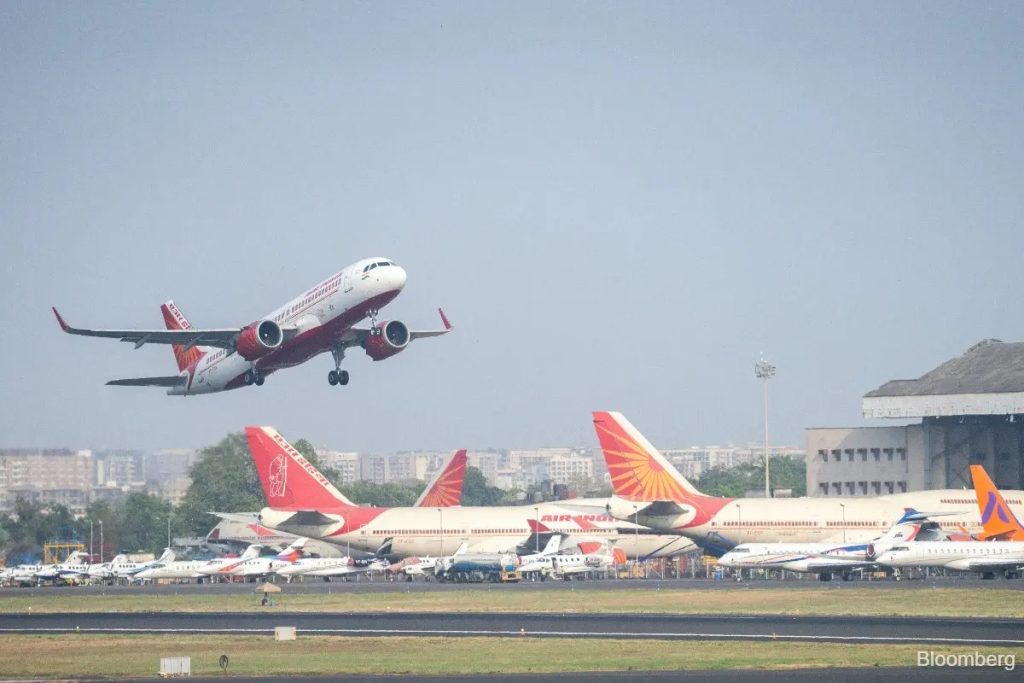
KUALA LUMPUR, Jun 8 -- Total airline net profit in 2026 is expected to reach US$23 billion (US$1 = RM4.02), half the previous forecast of US$41 billion, due to disruptions in West Asia involving war and high fuel prices, said the International Air Transport Association (IATA). “At the geographic epicenter of the West Asian war, airlines in West Asia are expected to collectively suffer losses due to weak demand and operational disruptions. "All other regions are expected to record gains, but at a lower level than previously projected," it said in a statement on Sunday. Total industry revenue is expected to reach US$1.16 trillion in 2026 (up 9.4 percent from US$1.065 trillion in 2025), while passenger load factors are forecast to continue to hit a record high with airlines expected to fill 84.0 percent of all seats throughout the year. This is an increase from 83.5 percent in 2025. Among other things, the number of passengers is expected to reach 5.1 billion in 2026 (up 2.4 percent compared to 2025) and the number of cargo is expected to reach 71.7 million tonnes in 2026 (up 0.2 percent compared to 2025). Commenting further, IATA Director General Willie Walsh said airlines from Gulf countries faced operational uncertainty due to the almost complete closure of airspace when the war began. The airline has done an amazing job of maintaining connectivity, but a huge financial impact is inevitable. “Even in the best of circumstances, the aviation industry as a whole suffers from low margins and returns below the cost of capital. "The sharp rise in oil prices has tested the financial resilience of airlines as net margins have been reduced to two percent worldwide," he said. He said airlines were bearing the brunt of the sudden increase in fuel prices. "Even though airfares increase, airlines still absorb part of the increase through their net profits. “Net profit per passenger is expected to drop to US$4.50, half of last year's amount. “In this situation, it shows resilience, but it won’t allow you to buy hot dogs at most FIDA World Cup venues and it doesn’t leave much of a surplus should other costs or taxes start to increase,” Walsh said. As for fuel costs, IATA said they are expected to increase by almost 40 percent to US$350 billion in 2026 from US$252 billion in 2025. This is based on an expected average crude oil price of US$95 per barrel (Brent) for this year, up 37 percent from US$69 in 2025. According to the association, jet fuel prices are expected to average US$152 per barrel this year, an increase of almost 70 percent from US$90 in 2025. "The difference between the price of crude oil and the price of refined products (the premium for jet fuel over Brent crude oil) is expected to reach an average of US$57 per barrel, the highest level in history," said IATA, which represents more than 370 airlines accounting for about 85 percent of global air traffic. — BERNAMA

KUALA LUMPUR, Jun 8 — Total airline net profit in 2026 is expected to reach US$23 billion (US$1 = RM4.02), half the previous forecast of US$41 billion, due to disruptions in West Asia involving war and high fuel prices, said the International Air Transport Association (IATA). “At the geographic epicenter of the West Asian war, […]