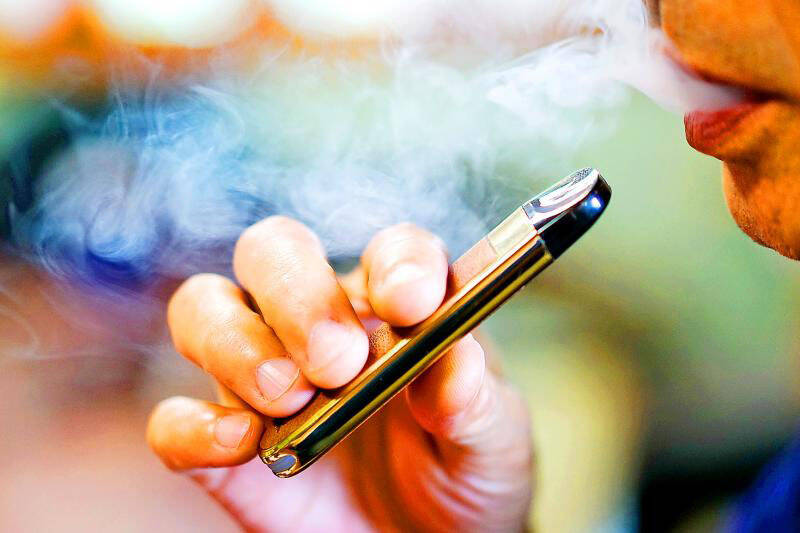
KUALA LUMPUR: The Safe Community Alliance has expressed concern over the increasing use of electronic cigarettes or vaping among school students and teenagers, which is now a public health threat and requires immediate and concerted action.
Its chairman, Tan Sri Lee Lam Thye, said that a tool that was originally intended to help adults quit smoking has now turned into a dangerous trend among young people, exposing them to nicotine addiction at a very young age and serious health risks.
He said attractive packaging, a variety of popular flavours, aggressive online marketing and easy access have contributed significantly to the increase in the popularity of the cigarette among students.
“What is more worrying is the emergence of illegal vape products that contain harmful substances, which can have serious effects on physical and mental health,” he said in a statement today.
Lee said the issue should not be considered solely as a disciplinary problem, but rather as a broader public health issue that requires an approach involving all levels of society, including parents, schools, health authorities, enforcement agencies, community leaders and the media to address the problem more effectively.
To address the increasingly worrying threat, Lee suggested several key interventions including strengthening enforcement against the sale of the product to minors, as well as conducting regular inspections in areas around schools and educational institutions.
He also urged authorities to tighten controls on online sales and advertisements targeting young people, as well as intensify education and awareness programs on the dangers of electronic cigarettes.
In addition, parents need to be more sensitive to the activities and influence of their children’s peers, as well as providing counselling and support services to students who have experienced nicotine addiction.
He said that educational institutions and school environments must be free of the product in question and those found smoking it must be given guidance through counselling and rehabilitation programmes, not just punished.
“The future of the country depends on the health and well-being of the younger generation. We need to act decisively to prevent the vaping problem from developing into a more serious public health crisis among Malaysian youth,” said Lee.
— BERNAMA