
Rosti Asia Integrated Solutions in Singapore: A Strategic Leap for Asian Manufacturing Excellence
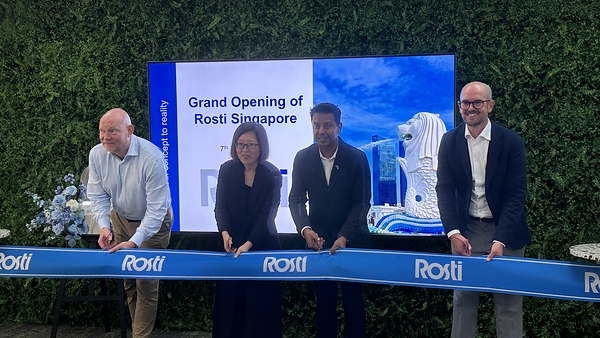
SINGAPORE, May 14, 2026 /PRNewswire/ — A report from Ringertrade. As global supply chains grow more complex and customer demands evolve at speed, regional agility has become non-negotiable for leading manufacturers. For Rosti Group, a trusted name in precision injection moulding, high-performance assemblies and integrated manufacturing solutions, the next chapter of its Asian expansion is […]

Elong Hotel Technology Deepens “Eco-Going Global” Strategy at Indonesia Brand Launch
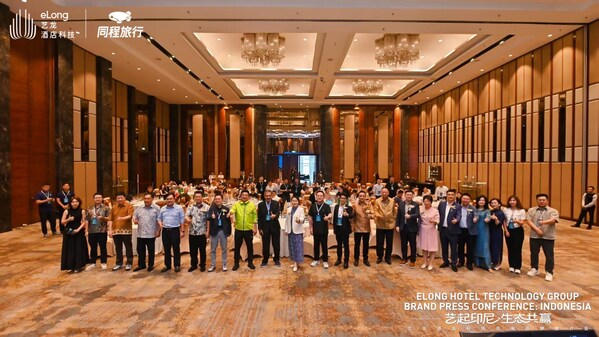
JAKARTA, Indonesia, May 14, 2026 /PRNewswire/ — On May 14, Elong Hotel Technology held its “Go Indonesia, Win Together” brand launch in Jakarta, marking a full-scale entry into Indonesia’s hospitality market. As a key step after Thailand and Malaysia, the event signifies the deep implementation of the company’s “Eco-Going Global” strategy in Southeast Asia’s largest […]

Selangor FC Storm Into ACC Final With 4-1 Aggregate Win Over Nam Dinh

KUALA LUMPUR, May 14– Selangor FC advanced to the ASEAN Club Championship (ACC) 2025/26 final after defeating V.League 1 side Nam Dinh FC 2-0 for a 4-1 aggregate victory in the semi-final second leg at Thien Truong Stadium in Ninh Binh, Vietnam tonight. Selangor, under head coach Kim Pan Gon, opened the scoring through Chrigor […]

MINDEF Assessing Legal Action, Compensation Over Cancelled NSM Contract
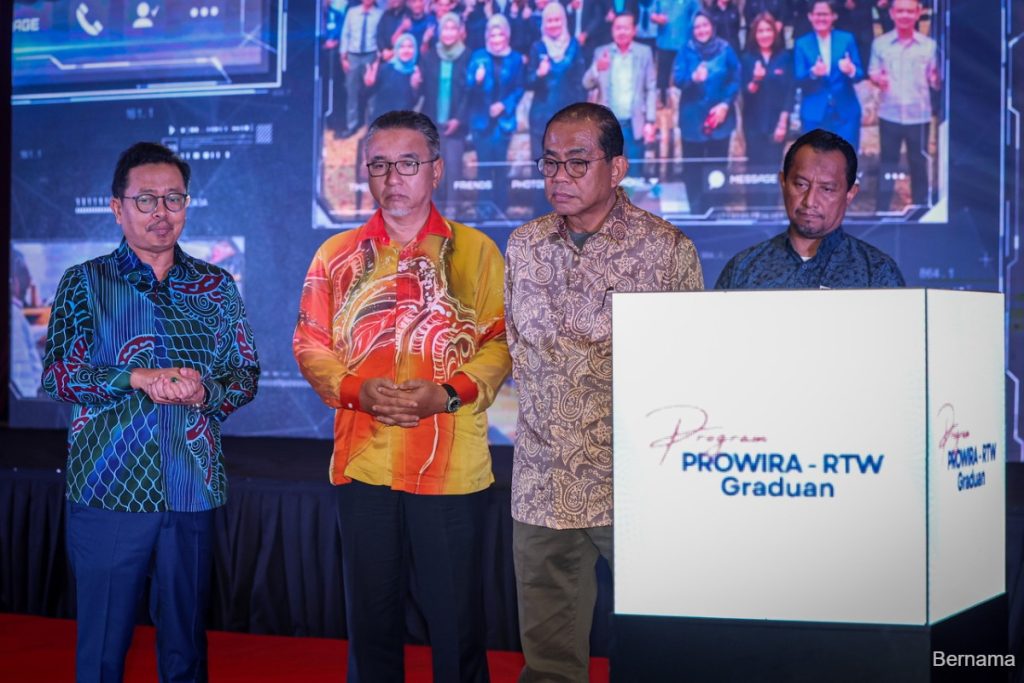
KUALA LUMPUR, May 14 -- The Defence Ministry has established a special committee to assess legal action and the amount of compensation to be claimed following the cancellation of the Naval Strike Missile (NSM) procurement contract. Defence Minister Datuk Seri Mohamed Khaled Nordin said the move was necessary as the government had already paid nearly 95 per cent of the contract value, amounting to more than RM500 million. “A special committee at the ministry level has been set up to detail the claims, which involve not only the refund of the original payment but also compensation arising from the breach of contract,” he said. Mohamed Khaled was speaking to reporters after launching the PROWIRA Ready-to-Work (RTW) Graduates Programme and the Armed Forces Fund Board Foundation (Yayasan LTAT) Education Initiative 2026 here today. At the same time, Mohamed Khaled said the ministry was also evaluating several alternatives to replace the NSM system. He said another committee has also been formed to study suitable replacement systems that can be supplied within a short timeframe. However, he said the process was not straightforward as the missile system must be compatible with the ships’ existing communication, electrical and operational systems. He said the integration process for the new system was expected to take several months. Mohamed Khaled said the cancellation of the NSM supply would not affect the delivery schedule of the first Littoral Combat Ship (LCS), KD Maharajalela, to the Royal Malaysian Navy in December this year. “The LCS programme will continue as planned, except that the vessel will not initially be equipped with a surface-to-surface missile system,” he said. According to the Kongsberg Defence & Aerospace website, the NSM procurement contract was signed between the Royal Malaysian Navy and the company in April 2018, valued at 124 million euros (RM571.9 million), to equip six new LCS vessels. -- BERNAMA

KUALA LUMPUR, May 14 — The Defence Ministry has established a special committee to assess legal action and the amount of compensation to be claimed following the cancellation of the Naval Strike Missile (NSM) procurement contract. Defence Minister Datuk Seri Mohamed Khaled Nordin said the move was necessary as the government had already paid nearly […]

Dr Wan Azizah Urges Youth To Embrace Digital Economy And AI

Dr Wan Azizah Urges Youth To Embrace Digital Economy And AI

KUALA LUMPUR, May 14 — Young people are encouraged to be bold in exploring the digital economy and future technologies, including artificial intelligence (AI), to remain competitive in an increasingly challenging and complex world, said Datuk Seri Dr Wan Azizah Wan Ismail. The Bandar Tun Razak MP said mastery of innovation and technology is essential […]

Zii Jia, Jin Wei Suffer Early Exits At Thailand Open 2026

BANGKOK, May 13– Independent Malaysian singles shuttlers Lee Zii Jia and Goh Jin Wei both suffered early exits from the Thailand Open 2026 after losing their respective first-round matches at Nimibutr Stadium. Zii Jia, the former Asian champion, who had progressed through the qualifying rounds yesterday, failed to reproduce the impressive form he displayed during […]

Sports Journalists Play Vital Role Ahead Of 2027 SEA Games – Dr Mohammed Taufiq

KUALA LUMPUR, May 14 — The role of sports journalists is becoming increasingly important ahead of major sporting events, including the 2027 SEA Games, as Malaysia prepares to host the Games, making close cooperation between the media and the Youth and Sports Ministry (KBS) even more vital, said its minister Dr Mohammed Taufiq Johari. He […]

Rafizi Voluntarily Returns To MACC With Additional Evidence In RM1.1 Billion Probe

PUTRAJAYA, May 14 -- Former Economy Minister Datuk Seri Rafizi Ramli returned to the headquarters of the Malaysian Anti-Corruption Commission (MACC) here today to continue giving statements in connection with investigations into a government contract worth nearly RM1.1 billion. Arriving at about 9.50 am alongside his legal team, Rafizi said he would submit an additional 28 pages of documentary evidence to the investigators. “I am voluntarily giving an additional statement to assist the MACC investigation so it can be aligned with other evidence that was not covered during questioning last week. “This evidence includes reports from the media itself because the collaboration with Arm Holdings was not done quietly behind closed doors like the 1MDB scandal, but instead was widely reported by the media, with statements and explanations from senior national leaders, including three other senior government leaders who were involved,” he told reporters before entering the MACC headquarters. Rafizi said he hoped the additional statement and evidence would help MACC conduct a more comprehensive probe. “I think after my statement today, it will help the MACC determine who else needs to be called. “And with all the more comprehensive evidence, I am confident the MACC can conclude that, based on my questioning so far, there are no elements involving money or suspicious transactions,” he said. Rafizi had previously spent four days giving statements to assist in the investigation. Former MACC chief commissioner Tan Sri Azam Baki was previously reported as saying that investigations into the RM1.1 billion investment linked to a semiconductor industry strategic partnership agreement between the Economy Ministry and the UK-based Arm Holdings were now in the final stages. So far, 22 witnesses have been called, including political analyst Chai Jin Shern, better known as James Chai. Two more witnesses - one in Taiwan and another in Malaysia - are expected to be summoned. The MACC opened its investigation paper on Feb 16 following complaints by three non-governmental organisations alleging that the agreement had been rushed and skewed, potentially exposing the government to financial risks. -- BERNAMA

PUTRAJAYA, May 14 — Former Economy Minister Datuk Seri Rafizi Ramli returned to the headquarters of the Malaysian Anti-Corruption Commission (MACC) here today to continue giving statements in connection with investigations into a government contract worth nearly RM1.1 billion. Arriving at about 9.50 am alongside his legal team, Rafizi said he would submit an additional […]

Cost of Living: How Malaysians Are Coping in 2026
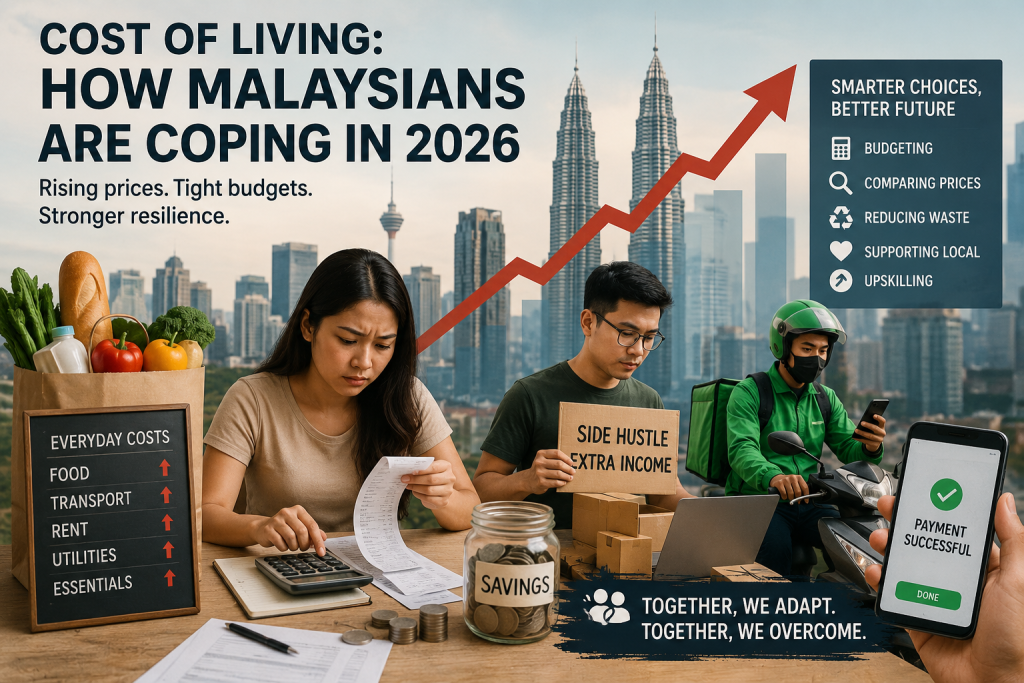
In 2026, the cost of living remains one of the biggest concerns among Malaysians from all walks of life. Whether it is a family living in Kuala Lumpur, a fresh graduate starting a career in Johor Bahru, or small business owners in Penang, many are feeling the pressure of rising expenses while trying to maintain a decent quality of life. The reality is simple — prices are increasing faster than incomes for many people. Food prices continue to climb, rental costs in urban areas remain high, and transportation expenses are becoming heavier on household budgets. While Malaysia’s economy shows signs of growth in several sectors such as technology, tourism, and digital services, the benefits are not always reaching ordinary citizens equally. Today, Malaysians are adapting in ways that would have seemed unusual just a few years ago. Families are cutting unnecessary spending, young adults are taking on freelance jobs after office hours, and more people are turning to online businesses to earn extra income. Side hustles are no longer just an option — they are becoming a necessity. At the same time, consumer behavior is changing rapidly. More Malaysians are comparing prices through apps before shopping, choosing local brands over imported goods, and reducing luxury spending. Dining out less frequently, delaying large purchases, and using public transportation more often have become common habits among middle-income households. One noticeable trend in 2026 is the rise of the “survival mindset” among younger Malaysians. Many Gen Z workers no longer prioritize owning luxury items or expensive cars. Instead, financial stability, flexible work opportunities, and affordable living are becoming more important. This generation has grown up during uncertain economic periods, and it has shaped how they view money and success. Housing affordability remains another major issue. For many young Malaysians, owning a home still feels out of reach, especially in major cities. High property prices combined with slow salary growth have forced many to continue renting or living with family longer than previous generations did. While affordable housing initiatives exist, demand still exceeds supply in many urban areas. Small businesses are also facing enormous challenges. Rising operating costs, higher utility bills, and increasing supply chain expenses have placed pressure on local entrepreneurs. Many small traders and food operators are struggling to balance competitive pricing with maintaining profits. Some businesses have survived by embracing digital platforms and cashless systems, but others continue to face uncertainty. Despite these challenges, Malaysians continue to show resilience. Across the country, communities are finding ways to support one another. Local markets promoting affordable products, community food banks, and social media groups sharing financial advice have become increasingly important. Malaysians have always been known for adaptability, and this period is proving that once again. Technology is also helping people cope. The digital economy has opened opportunities for freelancers, online sellers, content creators, and gig workers. Many individuals are building secondary incomes through platforms that did not exist a decade ago. However, this also raises concerns about job security and work-life balance, especially among younger workers juggling multiple sources of income. Looking ahead, the cost of living issue cannot be solved through individual effort alone. Long-term solutions require stronger wage growth, better public transportation systems, affordable housing policies, and continued support for local businesses. Economic progress should not only be measured through national statistics, but through the daily lives of ordinary Malaysians. In the end, the conversation about the cost of living is not only about money. It is about the future people believe they can build for themselves and their families. As Malaysia moves deeper into 2026, one thing is clear: Malaysians are not giving up. They are adapting, evolving, and finding ways to move forward despite the pressures surrounding them. But resilience alone should not become the permanent solution to rising living costs. Sustainable change is needed to ensure future generations can thrive, not simply survive. -- MINUTESMY / SUGAN BALAN

In 2026, the cost of living remains one of the biggest concerns among Malaysians from all walks of life. Whether it is a family living in Kuala Lumpur, a fresh graduate starting a career in Johor Bahru, or small business owners in Penang, many are feeling the pressure of rising expenses while trying to maintain […]

Malaysian Gen Z Redefining Lifestyle Trends Through Wellness, Digital Culture and Experience-Driven Living

KUALA LUMPUR, May 14 — Malaysia’s Generation Z is reshaping the country’s lifestyle landscape through evolving priorities centered on wellness, digital engagement, financial awareness and experience-driven living, according to industry observers and youth-focused market studies. Born between the late 1990s and early 2010s, Gen Z represents one of the most influential demographic groups in Malaysia today. As digital natives entering adulthood in a post-pandemic environment, this generation is increasingly influencing consumer behavior, workplace culture, entertainment trends and even tourism preferences. Unlike previous generations that often emphasized material ownership and conventional career paths, many Malaysian youths today are prioritising flexibility, mental well-being, sustainability and meaningful experiences over traditional status symbols. Analysts say the shift is creating new opportunities across industries including hospitality, retail, fashion, wellness, digital content creation and food and beverage businesses. Rise of Experience-Based Spending One of the most visible lifestyle shifts among Malaysian Gen Z consumers is the growing preference for spending on experiences rather than possessions. From short domestic travel getaways and boutique café hopping to music festivals and wellness retreats, younger Malaysians are increasingly seeking activities that provide emotional fulfillment and social connection. Travel operators and tourism industry players have reported rising demand for group travel experiences, eco-tourism packages and social media-friendly destinations popular among young adults. Industry observers note that Gen Z consumers are heavily influenced by online content platforms such as TikTok and Instagram, where travel trends and lifestyle recommendations can rapidly gain traction nationwide. This trend has also contributed to the rapid growth of lifestyle cafés and aesthetic dining spaces in urban centers such as Kuala Lumpur, Petaling Jaya, Johor Bahru and Penang. Restaurant operators are now placing greater emphasis not only on food quality, but also on ambience, digital branding and “Instagrammable” concepts designed to appeal to younger consumers. Marketing strategist Nur Aisyah Hamdan said Gen Z consumers often associate experiences with personal identity and social connection. “Many young Malaysians today value memories and emotional experiences more than luxury ownership. Dining, travel and social activities are increasingly viewed as part of self-expression,” she said. Wellness and Mental Health Awareness Expanding Mental health awareness and personal wellness have also become defining lifestyle priorities among Malaysia’s younger generation. Following the social and economic disruptions caused by the COVID-19 pandemic, many youths are now more open to discussing mental health challenges, burnout and work-life balance issues. Fitness culture, mindfulness practices and healthier lifestyle choices are gaining popularity among urban youths, particularly through online communities and social media platforms. Gym memberships, recreational sports, pilates studios and wellness-related businesses have recorded stronger engagement from younger demographics over the past two years. At the same time, conversations surrounding emotional well-being and therapy are becoming increasingly mainstream among Gen Z Malaysians, reflecting broader global trends. Universiti Malaya sociologist Dr Farid Rahman said younger generations are more willing to challenge traditional stigmas surrounding mental health. “Gen Z grew up during a highly connected digital era where information is easily accessible. They are generally more comfortable discussing emotional well-being openly compared to previous generations,” he explained. However, experts also warn that excessive digital exposure and social media comparison culture continue to contribute to anxiety and emotional fatigue among youths. Studies globally have shown that prolonged exposure to curated online lifestyles may create unrealistic expectations related to success, appearance and personal achievements. As a result, digital detox activities, outdoor recreation and slower-paced lifestyle movements are becoming increasingly attractive among urban youths seeking balance.                    Digital Entrepreneurship Becoming Mainstream Malaysia’s Gen Z population is also embracing entrepreneurship at a younger age, driven largely by digital platforms and creator economy opportunities. Social media platforms including TikTok, YouTube and Instagram have enabled many young Malaysians to generate income through content creation, online businesses and affiliate marketing. The rise of live-stream commerce and home-based digital enterprises has created alternative career pathways beyond traditional office employment. Many youths are now pursuing side income opportunities while studying or working full-time, reflecting growing interest in financial independence and flexible work arrangements. According to industry estimates, Malaysia’s digital economy continues to expand rapidly, with younger users forming a major segment of online entrepreneurs and freelance creators. Local brands are also increasingly collaborating with micro-influencers and youth creators to connect with younger audiences through authentic and relatable marketing campaigns. Digital strategist Amirul Hakim said Gen Z consumers tend to respond more positively to peer-driven content than traditional advertising approaches. “They prefer authenticity and relatability. Influencers who appear genuine often create stronger engagement than polished celebrity campaigns,” he said. The creator economy trend has also influenced fashion, beauty and lifestyle industries, where social commerce now plays a major role in consumer purchasing decisions.                       Sustainable and Ethical Consumer Habits Growing Environmental awareness is becoming another important lifestyle factor shaping Gen Z spending behavior in Malaysia. Young consumers are showing stronger interest in sustainable fashion, reusable products and environmentally conscious brands compared to previous generations. Thrift shopping and pre-loved fashion culture have gained significant popularity among students and young working adults, especially in major urban areas. Second-hand clothing events, vintage markets and eco-conscious local brands are increasingly attracting Gen Z consumers seeking affordability alongside sustainability. Many youths are also more conscious about food waste, ethical sourcing and environmentally friendly packaging when choosing products or dining establishments. Businesses across Malaysia are gradually adapting to these preferences by introducing sustainable packaging initiatives and eco-friendly branding strategies. However, experts note that affordability remains a major consideration for young consumers facing rising living costs and economic uncertainty. While many Gen Z Malaysians support sustainability values, purchasing decisions are still often influenced by pricing and accessibility. Changing Definitions of Success Beyond consumer habits, Malaysia’s younger generation is also redefining traditional perceptions of success and career achievement. Flexible work arrangements, personal fulfillment and work-life balance are increasingly viewed as important factors alongside salary and career stability. The popularity of remote work and freelance careers has accelerated since the pandemic, with many young Malaysians seeking greater autonomy over their lifestyles and schedules. Some youths are prioritising passion-driven careers in creative industries, digital media and entrepreneurship despite economic uncertainties. Education experts say this shift reflects broader global changes in workforce expectations among younger generations. At the same time, concerns surrounding inflation, housing affordability and long-term financial security remain significant issues affecting Malaysian youths today. Despite optimism surrounding digital opportunities, many Gen Z Malaysians continue to face pressures related to employment competition and rising urban living costs. Nevertheless, observers believe the generation’s adaptability and digital fluency will continue shaping Malaysia’s economic and cultural landscape in the years ahead. As businesses, policymakers and industries respond to these evolving preferences, Gen Z’s influence is expected to play an increasingly important role in defining future lifestyle trends across the country. With wellness, authenticity, sustainability and digital engagement becoming central themes, Malaysia’s youth culture is undergoing a transformation that reflects not only changing consumer habits, but also broader shifts in values and identity among a new generation. -- MINUTESMY / SUGAN BALAN

KUALA LUMPUR, May 14 — Malaysia’s Generation Z is reshaping the country’s lifestyle landscape through evolving priorities centered on wellness, digital engagement, financial awareness and experience-driven living, according to industry observers and youth-focused market studies. Born between the late 1990s and early 2010s, Gen Z represents one of the most influential demographic groups in Malaysia […]