Toyota Motor Corp is developing its own gigacasting technology for a US$2 billion (RM8.2 billion) Lexus factory in Shanghai, China, as the Japanese automaker seeks to regain ground in the world’s largest automotive market.
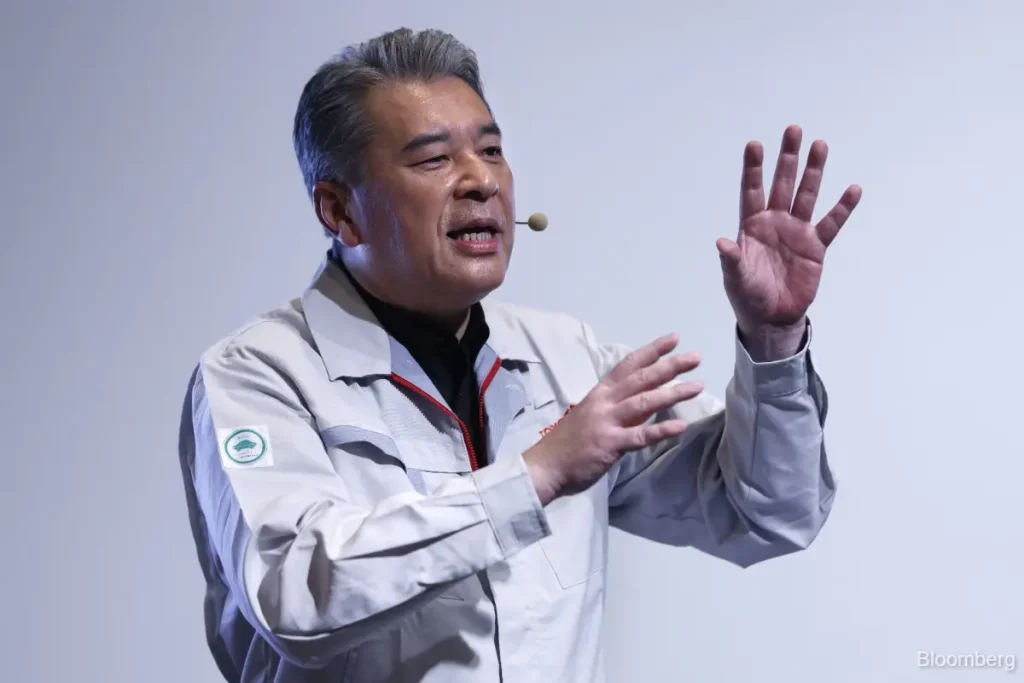
Chief Technology Officer Hiroki Nakajima said the company is developing the technology in-house rather than relying on local suppliers. The Shanghai plant is currently under construction and is scheduled to begin production in 2027.
“This is a big chance to change the manufacturing system,” Nakajima said during an interview in Brussels, emphasising Toyota’s approach of developing key technologies internally.
The facility will mark Toyota’s first application of gigacasting, a manufacturing technique pioneered by Tesla Inc and subsequently adopted by automakers including BYD Co and Xiaomi Corp.
The technology uses large presses to mould substantial sections of a vehicle’s chassis into single pieces, reducing the number of individual components that need to be welded together. This can lower manufacturing costs, reduce labour requirements and shorten production time.
Toyota is currently testing the technology in Japan but declined to disclose whether it is working with any potential equipment suppliers.
Despite its manufacturing advantages, gigacasting comes with significant costs and limitations. The machinery is expensive, while the process offers less flexibility when producing different vehicle models. Repairs following accidents can also be more costly because larger structural components may need to be replaced.
Automakers commonly collaborate with specialised die-casting equipment manufacturers, including Italy’s Idra Group and China’s Haitian, to customise machinery for their production requirements.
Toyota’s investment comes as the company and other international automakers face mounting challenges in China. Consumer spending remains under pressure amid the country’s ongoing property crisis, while buyers increasingly favour electric vehicles from domestic brands.
Toyota’s sales in China fell 19% during the first eight months of 2026, highlighting the urgency of its efforts to strengthen its competitiveness in the market.
Speaking at Toyota’s technical centre in Brussels, Nakajima also showcased the company’s latest developments in hybrid powertrains, electric vehicles and hydrogen fuel-cell technology. The initiatives reflect Toyota’s multi-pathway strategy, which continues to support different powertrain technologies rather than focusing exclusively on battery-electric vehicles.
The company is also investing billions of dollars in factory automation and advanced manufacturing equipment to accelerate vehicle development and improve production efficiency.
Through its in-house gigacasting development and broader manufacturing upgrades, Toyota aims to streamline production and better compete with China’s rapidly advancing electric vehicle industry.
-THE EDGE MALAYSIA