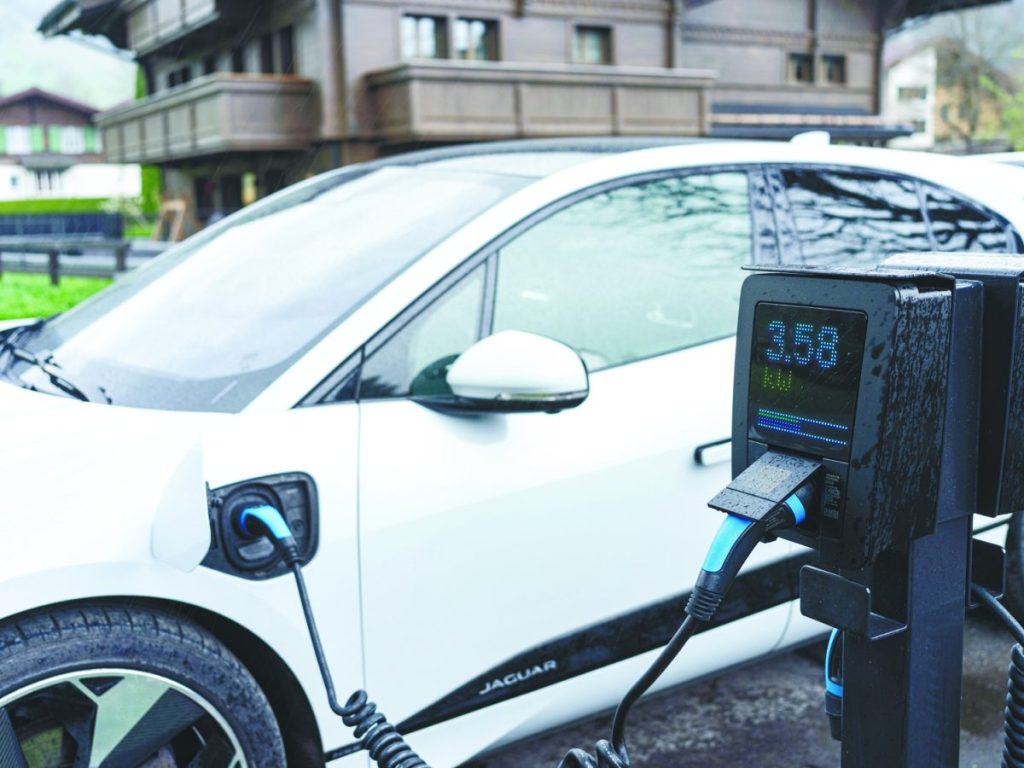
The global transition to electric vehicles (EVs) is gaining momentum, but the shift away from conventional petrol-powered cars is expected to vary significantly across regions, creating uncertainty for future fuel demand.
According to global risk management firm DNV, battery electric vehicles could account for more than 90% of passenger cars by 2050 in markets including China, Europe and Southeast Asia.
However, the growing adoption of EVs does not necessarily mean a rapid decline in oil consumption, as countries are progressing at different speeds in replacing internal combustion engine (ICE) vehicles. Some markets are expanding their electric car fleets while continuing to add conventional vehicles.
Six major trends across the world’s largest automotive markets highlight the challenges facing the global transition.
China Leads Global Electrification
China remains the world’s largest market for electric passenger vehicles, with approximately 37.5 million EVs already on its roads, exceeding the combined total in the rest of the world, according to DNV data.
The number is projected to surpass 165 million by 2035 and reach more than 360 million by 2050.
China’s extensive EV manufacturing capacity, integrated battery supply chain and widespread charging infrastructure have helped lower ownership costs and encourage adoption. Government subsidies and policies encouraging automakers to produce more electric vehicles have also supported the transition.
As EV adoption expands, China’s ICE car fleet is expected to shrink from approximately 314 million vehicles currently to 228 million by 2040 and 107 million by 2050.
This projected reduction of more than 200 million conventional cars would significantly affect long-term petrol demand.
Europe Set for the Sharpest Decline in Conventional Cars
Europe is projected to experience the largest reduction in ICE passenger vehicles by 2050, with numbers expected to fall from around 284 million currently to approximately 77 million, DNV estimates show.
Policies aimed at reducing transport emissions and the continued expansion of charging infrastructure are making electric vehicles increasingly attractive to consumers.
Although conventional cars remain competitive in the market, growing EV and hybrid sales indicate increasing interest in alternative powertrains as prices become more affordable and charging becomes more convenient.
Europe’s battery electric car fleet currently stands at approximately 12.5 million vehicles. DNV projects this figure will rise to nearly 70 million by 2035 and reach 177 million by 2050.
North America Faces a Slower Transition
Changes in government policies and support for publicly funded charging infrastructure have weakened EV sales growth in North America, potentially slowing the region’s transition away from conventional vehicles.
Nevertheless, significant changes to the composition of its car fleet are expected over the coming decades.
North America currently has approximately 290 million ICE passenger cars, accounting for around 86% of its total fleet.
By 2040, the number of conventional vehicles is projected to decline to approximately 215 million, representing just 30% of the overall fleet. Meanwhile, the region’s EV fleet could expand from around eight million vehicles currently to nearly 86 million.
Lower EV ownership costs and improved charging access are expected to support adoption. However, relatively affordable petrol could encourage motorists to keep conventional vehicles for longer.
India and Emerging Markets May Take Longer
India is expected to experience a later transition towards electric passenger vehicles as its conventional car fleet continues to expand.
DNV estimates that India’s ICE passenger car fleet currently stands at around 73 million vehicles and could peak at approximately 165 million in the late 2040s.
Limited charging infrastructure and concerns over vehicle costs are expected to delay a significant increase in EV adoption until the 2050s.
However, the rapid growth of electric scooters and motorcycles could encourage further investment in charging infrastructure and support improvements in electricity grid capacity.
Similar trends are expected across Southeast Asia, Sub-Saharan Africa, Latin America and the Middle East, where conventional car sales could continue growing into the 2040s before electric vehicles become the dominant choice.
Vehicle Replacement Rates Key to Future Fuel Demand
For the global fuel industry, the pace at which conventional vehicles are retired could prove more important than EV sales growth alone.
China and Europe are projected to remove well over 300 million ICE passenger cars from their roads between now and 2050, making them the largest sources of long-term declines in petrol demand.
North America is also expected to see a gradual reduction in fuel consumption as electric vehicles take up a greater share of its car fleet, although the transition is likely to be slower than in China and Europe.
However, these declines could be partly offset by continued growth in conventional vehicle ownership across India and other emerging economies.
Consequently, global transport fuel demand may not decline as quickly as EV sales figures suggest. The overall impact will depend on whether developing markets replace conventional cars with electric alternatives or continue expanding both types of vehicle fleets.
For energy planners, oil refiners and fuel traders, monitoring vehicle retirement rates and changes in total fleet size will therefore be essential in assessing future demand.
While the long-term direction points towards a more electrified global passenger car fleet, the pace of change remains uncertain.
-THESUN