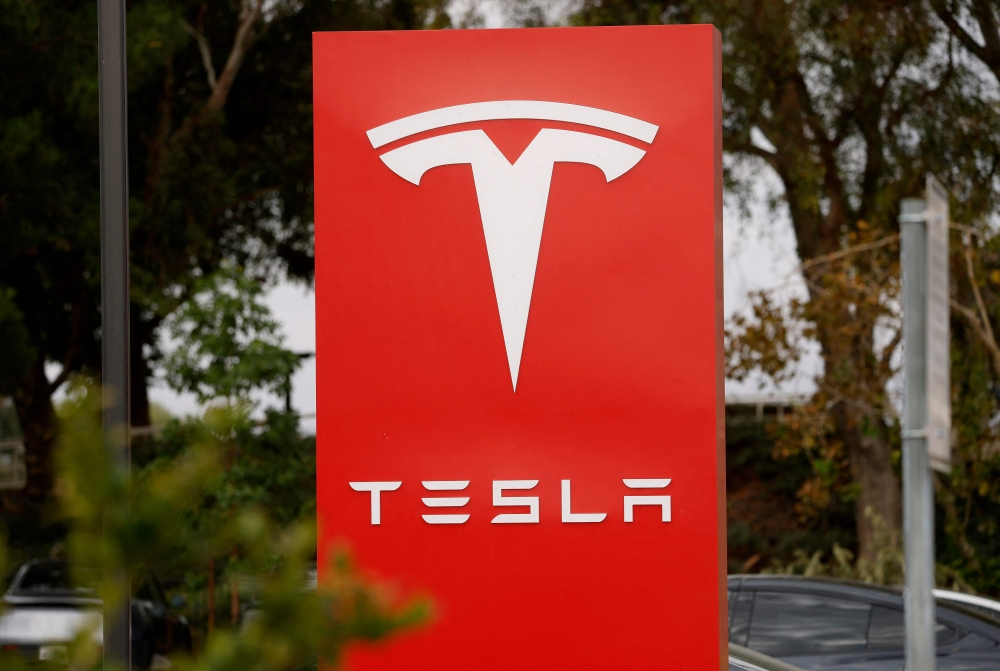
NEW YORK, Oct 22 2026, Tesla reported a 42.7% decline in third-quarter profit as the electric vehicle manufacturer increased spending on artificial intelligence (AI), robotics and autonomous driving technologies.
The company, led by billionaire Elon Musk, posted a net profit of US$787 million for the quarter, down from a year earlier, while revenue remained largely unchanged at US$28 billion.
Tesla’s performance was affected by slightly lower vehicle sales, declining revenue from regulatory credits and weaker contributions from its energy and storage businesses. Meanwhile, research and development spending more than doubled as the company expanded its investment in emerging technologies.
The earnings announcement came amid growing speculation about a potential merger between Tesla and Musk’s space company, SpaceX. Independent director committees at both companies have been established to discuss the possibility, although no agreement has been reached.
The prospect of a merger, informally dubbed “Elon Inc”, helped lift both companies’ shares and pushed Musk’s estimated net worth to US$989 billion, according to Forbes’ real-time billionaire rankings.
Tesla’s third-quarter vehicle sales exceeded analysts’ expectations, supported partly by stronger demand in Europe amid elevated petrol prices. However, questions remain over whether improved sales can translate into sustained profitability.
The company has also faced scrutiny over the slower-than-expected expansion of its robotaxi business. Tesla said its robotaxi service launched in Austin, Texas, on Sept 3, while cumulative unsupervised robotaxi mileage increased eightfold quarter-on-quarter.
Company officials said the service could become financially significant as early as next year if its current growth continues, adding that safety considerations would guide its expansion.
Tesla is also investing heavily in its Optimus humanoid robot programme and Terafab, a planned chip manufacturing facility being developed with SpaceX in Austin. The projects form part of Musk’s broader strategy to expand beyond conventional electric vehicle manufacturing.
Capital expenditure more than doubled to US$4.7 billion in the third quarter, although the figure was below analysts’ expectations of US$7.8 billion. Tesla has previously indicated that annual capital spending could reach US$25 billion or more to support its AI, robotics and autonomous driving ambitions.
Musk also projected that Tesla’s vehicle production could reach five million units by 2030, compared with 1.7 million in 2025, expressing confidence in the company’s long-term growth prospects.
However, the potential SpaceX merger has raised questions about Tesla’s future direction. The two companies have a combined equity value exceeding US$3.5 trillion.
CFRA Research equity analyst Garrett Nelson said he believed a merger was a question of when rather than if, although Musk has stressed that discussions remain preliminary and there is no guarantee of a deal.
Musk has argued that combining the companies could create opportunities in AI software, chip design, robotics and space-based computing.
The possible transaction has also drawn attention to Musk’s wider business and political activities, including his financial support for Republican political candidates and reports concerning the reduction of Starshield telecommunications services to Ukraine.
Tesla shares initially rose in after-hours trading following the earnings announcement before falling 2.8% near 2250 GMT on Wednesday.
The results underscore Tesla’s challenge of balancing its established automotive business with costly technology investments intended to position the company for future growth.
-MALAYMAIL