ZUNYI, China, October 28, 2026 — China’s Chishui River Valley is attracting visitors with more than its famous traditional liquor. The region is also promoting its historic towns, natural landscapes and traditional crafts to create a wider tourism experience.
Located in Guizhou Province, the valley is home to several major producers of sauce-aroma baijiu, a traditional Chinese spirit known for its distinctive flavour. Today, local destinations are combining this brewing heritage with cultural activities and nature tourism.
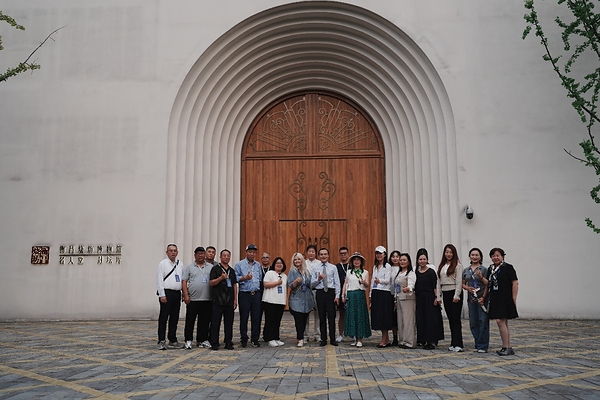
A group of 23 overseas media representatives recently visited the area. They explored wineries, historic towns, natural attractions and cultural villages to learn how the region is developing its tourism industry.
Ancient Town Offers a Glimpse Into History
Tucheng Ancient Town, in Xishui County, has a history spanning more than 2,000 years. It was once an important centre for the salt trade.
Today, visitors can explore its stone-paved streets and historic merchant buildings. The town is also home to the Songjiao Museum, which displays more than 3,000 bottles of liquor collected from communities along the Chishui River.
Some riverside businesses are introducing baijiu cocktails. These new drinks offer visitors a different way to experience the region’s traditional spirit.
Waterfalls and Red Rock Landscapes Attract Visitors
The valley also offers natural attractions beyond its liquor industry.
One highlight is Chishui Danxia, which forms part of the UNESCO-listed China Danxia World Heritage site. The area is known for its striking red cliffs and green forests.
Nearby, Chishui Great Waterfall drops about 76 metres from a rocky cliff. It is approximately 80 metres wide and surrounded by dense woodland.
The landscape gives visitors another reason to explore Guizhou beyond its famous distilleries.
Traditional Crafts Bring Local Culture to Life
At Wujiang Village in Bozhou District, visitors can take part in traditional crafts and cultural activities.
These include papermaking, lantern painting, tie-dyeing, Miao embroidery and bamboo weaving. The activities give travellers a closer look at local skills and traditions.
The resort has 182 regularly operating businesses, along with 20 boutique hotels and homestays. It recorded 1.2 million visits in 2025, with nearly one-third of visitors coming from the nearby Chengdu-Chongqing region.
Better Rail Links Make Travel Easier
Transport improvements are also helping visitors reach the area.
In January 2026, the nearby railway station was renamed Wujiang Village Station. The station now serves 18 trains each day.
Travellers can reach the village from Chongqing West by high-speed rail in about 1.5 hours. This makes it easier for visitors to include the destination in a wider trip through southwest China.
By combining liquor heritage, historic towns, natural scenery and traditional crafts, the Chishui River Valley is building a broader tourism offering. The region hopes to attract visitors who want to experience not only its famous spirit, but also its culture and everyday life.
Source: PR Newswire | Rewritten By Minutesmy