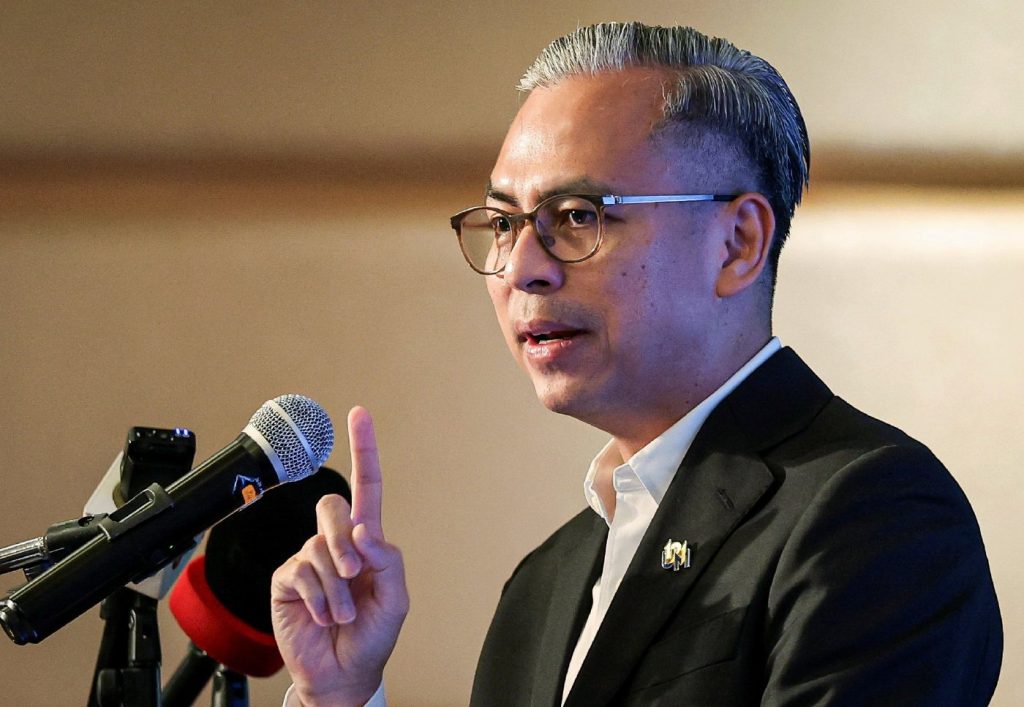
DOHA, Nov 11 – The rapid growth of artificial intelligence (AI) could create a new global divide between countries with strong computing resources and those struggling to access advanced technology, Communications Minister Datuk Seri Fahmi Fadzil has warned.
He said the growing gap could leave developing nations, particularly those in the Global South, further behind in the global technology race.
Fahmi described this challenge as the “compute divide”. Unlike the traditional digital divide, which focuses on internet access and digital services, the compute divide concerns unequal access to the computing power needed to develop and operate AI systems.
He shared these concerns during an interview on the sidelines of the International Telecommunication Union (ITU) Plenipotentiary Conference 2026 (PP-26) in Doha, Qatar.
Developing Countries Face AI Challenges
Fahmi said countries must have access to sufficient computing resources to benefit from the rapid development of AI.
However, many developing nations still face limitations in this area.
Without stronger international cooperation and measures to address the imbalance, wealthier countries could gain a greater advantage in AI development.
As a result, the gap between technologically advanced nations and developing economies could become even wider.
He stressed the importance of finding ways to ensure that more countries can participate in the global AI transformation.
Governments Must Keep AI Regulations Updated
Apart from computing access, Fahmi highlighted another major challenge: keeping government regulations up to date with rapidly changing technology.
He said AI could develop significantly within just one year. This makes it difficult for governments to create policies that address emerging risks.
Fahmi referred to comments by ITU Secretary-General Doreen Bogdan-Martin, who highlighted the speed of AI development.
He said governments must strike a balance between supporting innovation and protecting businesses, markets and the public.
Regulations should not prevent technological progress. Instead, they should provide appropriate safeguards while allowing responsible innovation to continue.
Agentic AI Brings Opportunities and Risks
Fahmi also highlighted the growing development of agentic AI.
This technology allows AI systems to perform tasks and make decisions with greater independence.
Although it offers significant opportunities, it also raises questions about how much authority AI systems should have.
Fahmi said governments must work closely with technology companies to establish clear safeguards.
These measures should help ensure that AI systems operate responsibly and benefit society.
Malaysia Seeks Stronger Role in Global Digital Cooperation
Meanwhile, Malaysia is seeking re-election to the ITU Council to continue contributing to international discussions on telecommunications and digital development.
Fahmi said Malaysia has been an ITU member since 1958 and brings valuable experience in technical standards, digital trust and interoperability.
He added that the organisation provides an important platform for countries to work together on increasingly complex telecommunications challenges.
Fahmi also welcomed Qatar’s hosting of ITU PP-26 alongside Mobile World Congress Doha 2026.
The events provide opportunities for ministers, regulators and industry representatives to explore emerging technologies and strengthen international partnerships.
He said closer cooperation would help countries understand shared challenges and develop practical solutions.
Source : BERNAMA | Rewritten By Minutesmy