TEHRAN: Iran continues to maintain its stance of fully controlling ship movements in the Strait of Hormuz, one of the world’s most critical shipping lanes, only allowing ships deemed “non-hostile” to transit as long as they coordinate with Tehran authorities. This was stated in an official letter from Iran to member states of the International Maritime Organization (IMO). In the letter, Iran stressed that foreign ships can pass through the Strait of Hormuz provided they comply with announced safety regulations and are not involved in any form of support for aggressive actions against the country. Iran added that ships linked to the United States, Israel or parties involved in the current conflict are not eligible for passage. Ship tracking data in recent days shows that Iran has allowed a small number of ships to transit through its territorial waters, including ships from China, India and Pakistan. This route is often used to allow Iranian authorities to verify the identity and purpose of ships before they are allowed to pass, according to maritime analysts. Due to the risk of attacks and tensions in the narrow waters near Oman, many commercial ships are now changing their routes to routes closer to the Iranian coast, including the area around Larak Island. The move gives Iran a monitoring advantage as well as strengthening its control over maritime traffic in the strategic route. The crisis in the Strait of Hormuz peaked after the US-Israeli attack on Iran on February 28, causing shipping traffic to almost come to a standstill and affecting global oil supplies. The Strait of Hormuz previously handled around one-fifth of the world’s oil supply. With rising shipping costs and global oil prices, Iran is now trying to balance its economic interests while maintaining pressure on its perceived enemies. Free navigation access in the Strait of Hormuz is also one of the main points in the 15-point peace plan developed by the United States and sent to Iran via Pakistan. But so far, there is no sign that Tehran is willing to give up its strategic advantage without comprehensive security guarantees. Iran has said it will not relax control over the maritime route as long as the conflict continues, with several government sources insisting that pressure on the enemy will continue until there is a full ceasefire.

West Asia conflict: Iran insists on controlling the Strait of Hormuz, passage only for ‘non-enemy’ ships

TEHRAN: Iran continues to maintain its stance of fully controlling ship movements in the Strait of Hormuz, one of the world’s most critical shipping lanes, only allowing ships deemed “non-hostile” to transit as long as they coordinate with Tehran authorities.

This was stated in an official letter from Iran to member states of the International Maritime Organization (IMO).

In the letter, Iran stressed that foreign ships can pass through the Strait of Hormuz provided they comply with announced safety regulations and are not involved in any form of support for aggressive actions against the country.

Iran added that ships linked to the United States, Israel or parties involved in the current conflict are not eligible for passage.

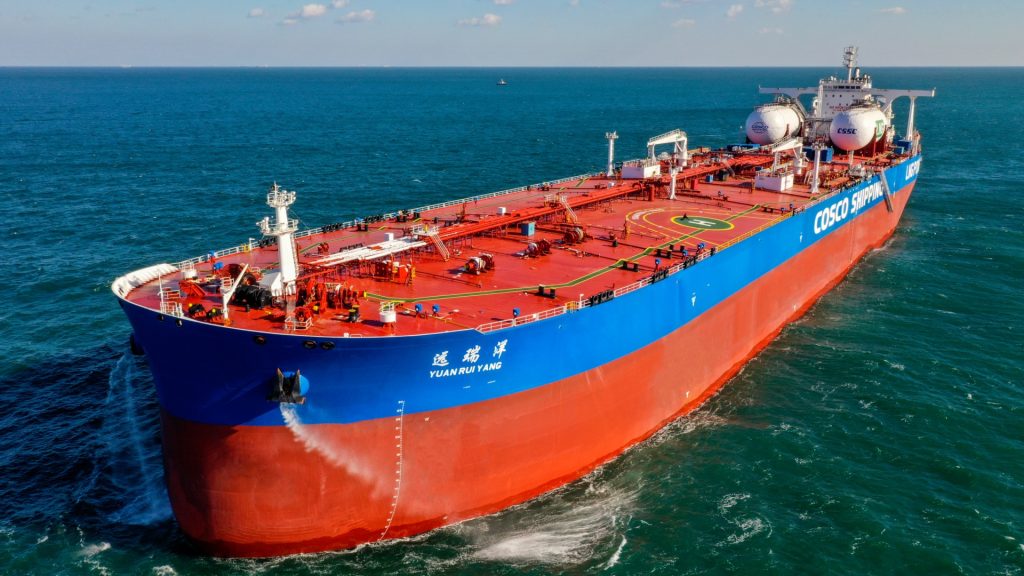
Ship tracking data in recent days shows that Iran has allowed a small number of ships to transit through its territorial waters, including ships from China, India and Pakistan.

This route is often used to allow Iranian authorities to verify the identity and purpose of ships before they are allowed to pass, according to maritime analysts.

Due to the risk of attacks and tensions in the narrow waters near Oman, many commercial ships are now changing their routes to routes closer to the Iranian coast, including the area around Larak Island.

The move gives Iran a monitoring advantage as well as strengthening its control over maritime traffic in the strategic route.

The crisis in the Strait of Hormuz peaked after the US-Israeli attack on Iran on February 28, causing shipping traffic to almost come to a standstill and affecting global oil supplies.

The Strait of Hormuz previously handled around one-fifth of the world’s oil supply.

With rising shipping costs and global oil prices, Iran is now trying to balance its economic interests while maintaining pressure on its perceived enemies.

Free navigation access in the Strait of Hormuz is also one of the main points in the 15-point peace plan developed by the United States and sent to Iran via Pakistan.

But so far, there is no sign that Tehran is willing to give up its strategic advantage without comprehensive security guarantees.

Iran has said it will not relax control over the maritime route as long as the conflict continues, with several government sources insisting that pressure on the enemy will continue until there is a full ceasefire.

— AWANI

Related News