Oil Prices Rise 8 Pct After Trump Announces Blockade Of Strait Of Hormuz

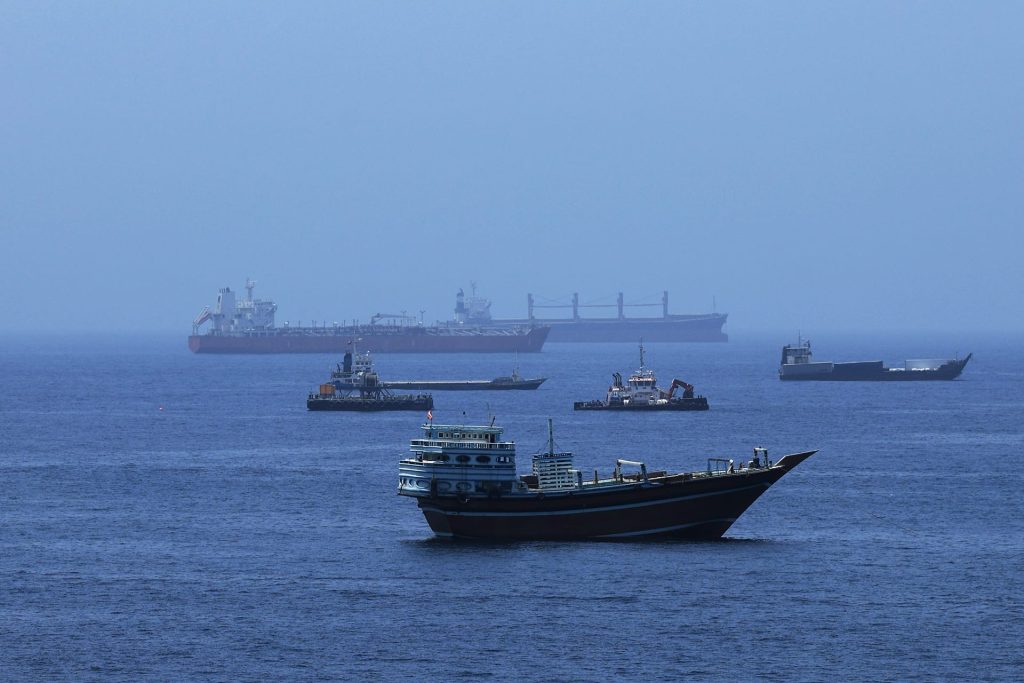
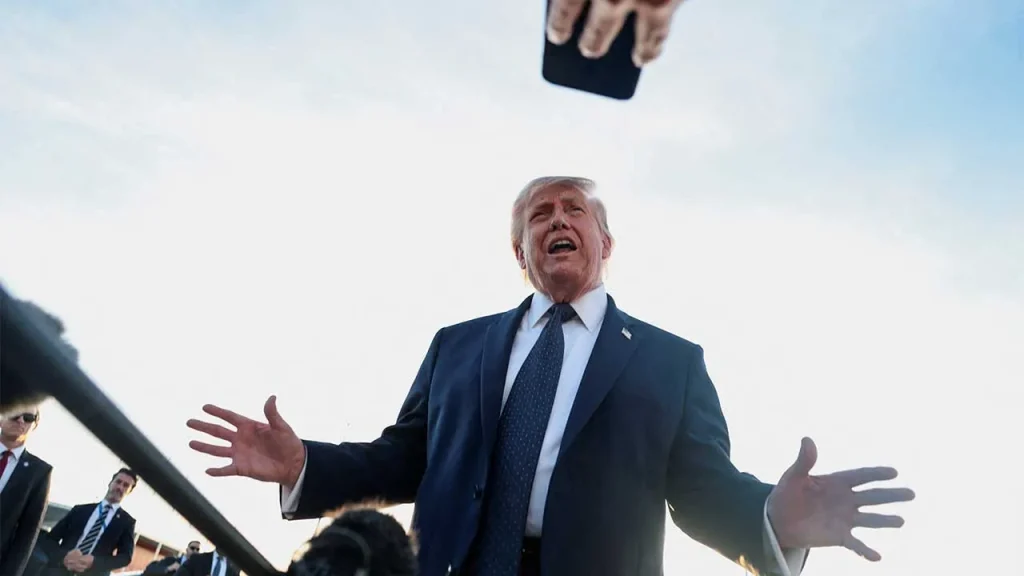
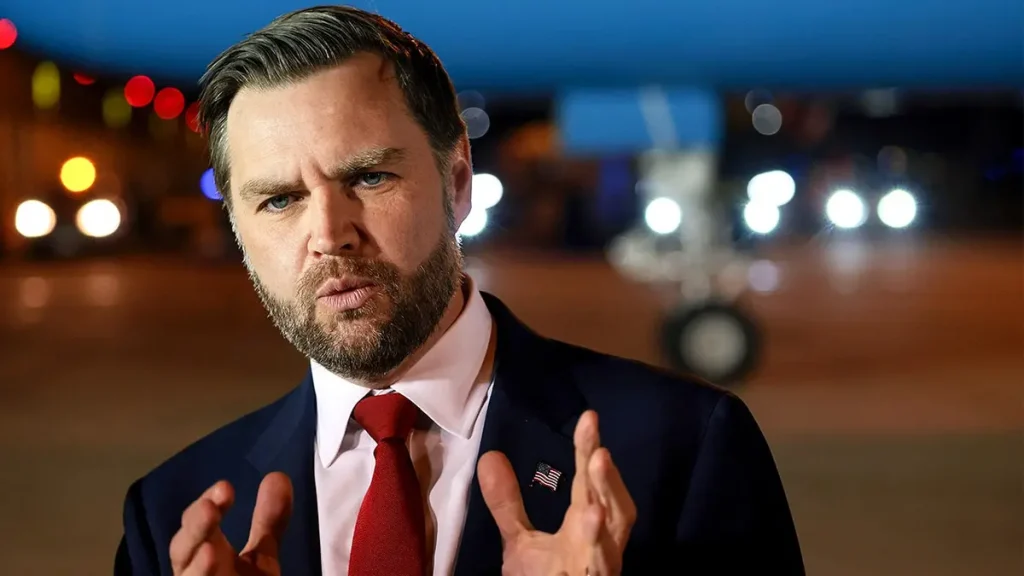
MOSCOW, April 13 - Global oil prices jumped 8 per cent after US President Donald Trump announced a blockade of the Strait of Hormuz, with Brent crude exceeding US$102 per barrel, according to trading data, reported Sputnik/RIA Novosti. As of 22:01 GMT Sunday, June Brent crude futures were trading up 7.76 per cent from the previous close at US$102.59 per barrel, while May WTI futures were up 8.2 per cent at US$104.51. On Saturday, Iran and the US began talks in Islamabad after Trump announced an agreement with Tehran on a two-week ceasefire on Wednesday night. On Sunday morning, the head of the US delegation, Vice President J.D. Vance, announced that Iran and the US had failed to reach an agreement during protracted negotiations and that the US delegation would return home without a deal. On Sunday, Trump announced that the US would begin a blockade of all vessels attempting to enter and exit the Strait of Hormuz. He also instructed the US Navy to track and intercept all vessels that paid Iran to pass through the strait. US Central Command pledged to begin a blockade of "all maritime traffic entering and exiting Iranian ports" at 14:00 GMT on April 13. --BERNAMA-SPUTNIK/RIA NOVOSTI

MOSCOW, April 13 – Global oil prices jumped 8 per cent after US President Donald Trump announced a blockade of the Strait of Hormuz, with Brent crude exceeding US$102 per barrel, according to trading data, reported Sputnik/RIA Novosti. As of 22:01 GMT Sunday, June Brent crude futures were trading up 7.76 per cent from the […]

Oil prices fall below US$100 per barrel driven by ceasefire talks

KUALA LUMPUR: Oil prices fell below US$100 per barrel after the United States (US) and Iran agreed to a two-week ceasefire plan in exchange for Tehran allowing safe passage for ships through the Strait of Hormuz. So far, Brent crude oil has fallen 13.20 percent to US$94.85 while West Texas Intermediate has fallen 14.58 percent to US$96.48 per barrel. SPI Asset Management Managing Partner Stephen Innes told Bernama: “What we are seeing now is not a structural change but more of a mechanical reduction in the geopolitical risk premium that has been factored in based on a worst-case scenario. "In the near term, oil prices could remain below US$100 but the minimum level is unstable. Without a concrete easing of tensions over the Strait of Hormuz, the risk of another price spike is very high," he said. Innes said the two-week ceasefire plan provided a fresh start. He said the situation gave the market room to reassess the situation but did not resolve the main issue as the lack of real progress in reopening the strait could cause prices to rise again. He said supply-side risks remained due to infrastructure damage which could take several months to repair. At the same time, he said the clear indication is that keeping the strait open to ship movement will greatly help lower prices. In that scenario, he said a return to the US$90 per barrel level would be appropriate if tensions eased and gained momentum. He said a more optimistic outcome depended on continued diplomatic coordination, although this remained uncertain. Meanwhile, he said the market had not fully factored in the expectation that the strait would remain open. Innes said political considerations related to the US midterm elections could curb a prolonged conflict, especially given its position as the world's largest oil producer. Bank Muamalat Malaysia Bhd Chief Economist Mohd Afzanizam Abdul Rashid told Bernama that a two-week ceasefire would allow ships to pass through the Strait of Hormuz, where 20 percent of global oil supply depends. He said the continued easing of tensions, if achieved, would pave the way for the reconstruction of oil and gas facilities which would help ease supply constraints. "Recovery will happen in stages. What the market wants is certainty that the conflict will end and business can continue." "However, it is still too early. The current situation is very uncertain. Therefore, the expectation is that crude oil prices will remain unstable in the near future," he said.

KUALA LUMPUR: Oil prices fell below US$100 per barrel after the United States (US) and Iran agreed to a two-week ceasefire plan in exchange for Tehran allowing safe passage for ships through the Strait of Hormuz. So far, Brent crude oil has fallen 13.20 percent to US$94.85 while West Texas Intermediate has fallen 14.58 percent […]

No Navy Escort Required For Malaysian Vessels In Strait Of Hormuz – Adly

MELAKA, April 8 -- There is no need for the Royal Malaysian Navy (RMN) to escort Malaysian vessels after Iran cleared them to exit the Strait of Hormuz. Deputy Defence Minister Adly Zahari said this was due to Iran’s full cooperation, reflecting the strong bilateral ties between the two countries. “The matter falls under the Foreign Ministry, and we are grateful for the cooperation shown by the Iranian government. We hope Iran will continue to assist on issues related to our energy and economic needs,” he said. He was speaking to reporters after launching the Malaysian Armed Forces Autism Initiative (IA-ATM) at the community rehabilitation centre in Umi Kem Terendak, Sungai Udang, today. On Monday, the Iranian Embassy in Malaysia announced via its official X account that the first Malaysian vessel had passed through the Strait of Hormuz. Prime Minister Datuk Seri Anwar Ibrahim was reported on Sunday as saying that discussions with Iranian President Masoud Pezeshkian had enabled Malaysia to secure clearance for seven vessels stranded in the strait. Traffic through the Strait of Hormuz, a strategic waterway that carries about 20 per cent of the world’s crude oil and gas supply, has been disrupted following ongoing attacks by the United States and Israel on Iran since Feb 28. Meanwhile, the IA-ATM programme at Umi Kem Terendak, which started on Aug 4, 2025, will run until June 4, 2026, benefiting 20 children with autism through structured learning and therapy sessions. The programme includes 12 new modules developed by the National Autism Society of Malaysia (NASOM). Also present were Malaysian Armed Forces assistant Chief of Staff for Personnel Services Maj Gen Datuk Indera Zahari Mohd Ariffin, Tabung Haji Southern Region director Rozimin Ahmed Kamil, NASOM chairman Julian Wong Ming Vui, and Melaka Social Welfare Department director Halyjah Muhammad.

MELAKA, April 8 — There is no need for the Royal Malaysian Navy (RMN) to escort Malaysian vessels after Iran cleared them to exit the Strait of Hormuz. Deputy Defence Minister Adly Zahari said this was due to Iran’s full cooperation, reflecting the strong bilateral ties between the two countries. “The matter falls under the […]

West Asia conflict: Iran agrees to ceasefire, opens Strait of Hormuz if attacks stop

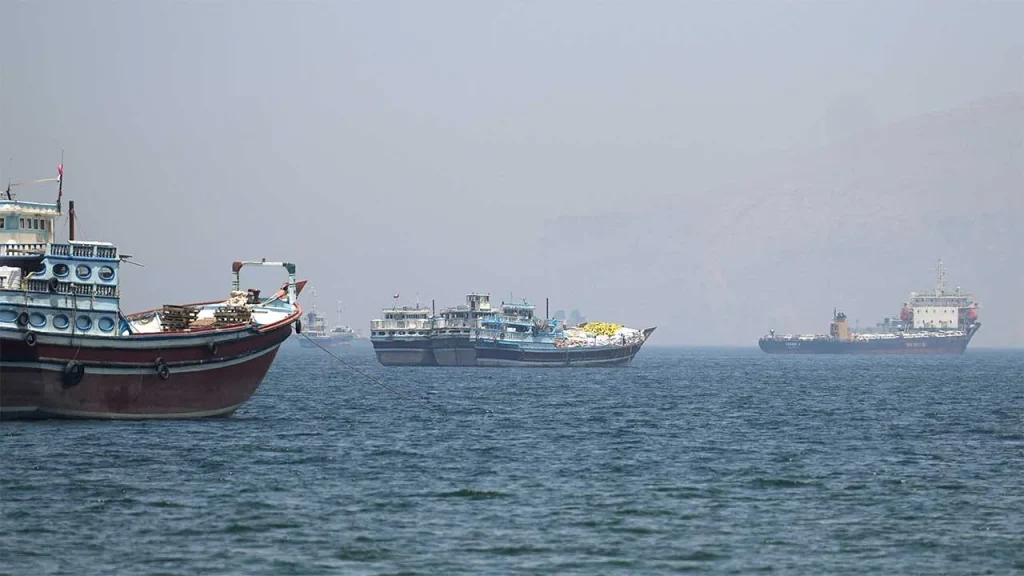
TEHRAN: Iran announced a formal agreement to implement a ceasefire and allow the conditional opening of the Strait of Hormuz, if all forms of attacks against the country are stopped. The matter was announced by Iranian Foreign Minister Abbas Araghchi, thus confirming Tehran's stance on efforts to ease military tensions in the region. According to him, Iran is ready to implement a ceasefire if no further attacks are launched against the country. For a period of two weeks, he said, safe passage through the Strait of Hormuz would be allowed for ships passing through the strategic waters. "It will be implemented through coordination with the Iranian Armed Forces and taking into account existing technical constraints and limitations," he said. The Strait of Hormuz is a critical shipping route for global oil trade and any disruption to it has the potential to have a major impact on the world economy. Iran's announcement comes as international diplomatic efforts are underway to reduce tensions in West Asia, particularly following military threats and prolonged conflicts involving several countries in the region. Earlier, US President Donald Trump announced his willingness to suspend military strikes against Iran for a period of two weeks, subject to the full and safe opening of the Strait of Hormuz by Iran --ASTRO AWANI

TEHRAN: Iran announced a formal agreement to implement a ceasefire and allow the conditional opening of the Strait of Hormuz, if all forms of attacks against the country are stopped. The matter was announced by Iranian Foreign Minister Abbas Araghchi, thus confirming Tehran’s stance on efforts to ease military tensions in the region. According to […]

Malaysia Appreciates Iran’s Support in Ensuring Energy Security – PM Anwar Ibrahim

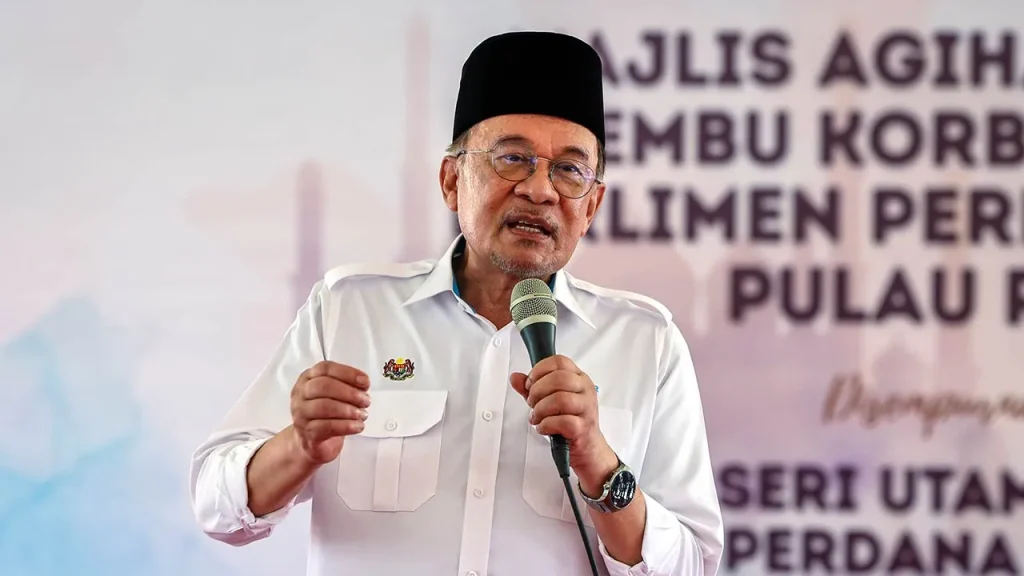
KUALA LUMPUR, April 8 — Prime Minister Anwar Ibrahim yesterday expressed Malaysia’s appreciation to Iran for facilitating the passage of Malaysian oil tankers through the strategic Strait of Hormuz amid ongoing geopolitical uncertainties in West Asia. The matter was conveyed during a meeting with the Ambassador of Iran to Malaysia, Valiollah Mohammadi, held on the sidelines of the Kuala Lumpur–Ankara Dialogue earlier today. Anwar noted that the decision by Iran comes at a critical time, as tensions in the region continue to impact global energy markets and supply chains. “In the current climate of uncertainty following the West Asia crisis, Malaysia highly values Iran’s decision to allow our oil vessels to pass through the Strait of Hormuz,” he said. He added that the move plays a crucial role in ensuring the continuity of the nation’s energy supply, while also helping to ease pressure on the cost of living and supporting overall economic stability. The Prime Minister emphasised that Malaysia remains committed to strengthening diplomatic ties and cooperation with international partners to safeguard national interests, particularly in times of global uncertainty. --Minutes MY / Igneseous Noris --Photo: FB Anwar Ibrahim

KUALA LUMPUR, April 8 — Prime Minister Anwar Ibrahim yesterday expressed Malaysia’s appreciation to Iran for facilitating the passage of Malaysian oil tankers through the strategic Strait of Hormuz amid ongoing geopolitical uncertainties in West Asia. The matter was conveyed during a meeting with the Ambassador of Iran to Malaysia, Valiollah Mohammadi, held on the […]

Malaysia Secures Safe Passage For vessels in Strait Of Hormuz – Wisma Putra

KUALA LUMPUR, April 7 -- The Foreign Ministry on Tuesday confirmed that one of the seven Malaysian-owned commercial vessels previously stranded in the Strait of Hormuz due to the evolving regional situation has been granted safe passage and is currently proceeding to its final destination. In a statement, the ministry also known as Wisma Putra said that the positive outcome follows high-level diplomatic engagements. This include constructive telephone conversations between Prime Minister Datuk Seri Anwar Ibrahim and Iranian President Masoud Pezeshkian on March 26, and between Foreign Minister Datuk Seri Mohamad Hasan and his Iranian counterpart, Abbas Araghchi on March 24. “Malaysia remains firmly committed to the principle of freedom of navigation, safety and security of maritime passage, in accordance with international law. “Malaysia also reiterates the importance of continued dialogue and diplomatic engagement in addressing regional challenges and maintaining peace and stability,” the statement said. On Monday, the Iran Embassy in Malaysia said that the first Malaysian ship has passed through the Strait of Hormuz. “We had said that the Islamic Republic of Iran does not forget its friends,” the embassy posted on the X platform.

KUALA LUMPUR, April 7 — The Foreign Ministry on Tuesday confirmed that one of the seven Malaysian-owned commercial vessels previously stranded in the Strait of Hormuz due to the evolving regional situation has been granted safe passage and is currently proceeding to its final destination. In a statement, the ministry also known as Wisma Putra […]

IMO Chief: Military Alone Won’t Solve Hormuz Crisis

International Maritime Organisation (IMO) Secretary-General Arsenio Dominguez said on Thursday that tensions in the Strait of Hormuz must be de-escalated, stressing that military approaches alone are ineffective and that practical maritime solutions are needed to resolve the crisis, reported Xinhua. According to a press briefing on the International Maritime Organisation website, Dominguez made the remarks during a virtual meeting on the situation in the Strait of Hormuz, hosted by the Foreign, Commonwealth and Development Office and attended by foreign ministers from more than 40 countries. During the meeting, Dominguez briefed participants on the IMO’s ongoing efforts, urging countries to back diplomatic initiatives to evacuate around 20,000 seafarers stranded in the Persian Gulf and to establish humanitarian corridors for urgent aid. Following the meeting, Dominguez said that fragmented responses are no longer sufficient to resolve the crisis. "What is urgently required is diplomatic engagement, practical and neutral solutions, and coordinated international action," he noted. He added that the IMO is advancing a maritime evacuation framework based on cooperation among coastal states, security guarantees, and operational coordination, with the clear objective of releasing stranded vessels, enabling safe crew rotations, and preventing an environmental disaster. Since the outbreak of the conflict on Feb. 28, when the United States (US) and Israel launched large-scale military operations against Iran, the IMO has reported 21 attacks on commercial vessels. These incidents have resulted in the deaths of 10 seafarers, with several others seriously injured. Following an extraordinary session of the IMO Council on March 18–19, the body outlined several key measures, including progressing talks with relevant states on a safe-passage framework to evacuate stranded seafarers, working with regional countries to safeguard supply chains and enable humanitarian access, and strengthening information-sharing and coordination with industry partners. The organisation has also strengthened data collection and verification on maritime incidents, while contributing to a dedicated United Nations (UN) task force on the Strait of Hormuz aimed at addressing humanitarian needs through coordinated technical mechanisms.

LONDON, April 3 — International Maritime Organisation (IMO) Secretary-General Arsenio Dominguez said on Thursday that tensions in the Strait of Hormuz must be de-escalated, stressing that military approaches alone are ineffective and that practical maritime solutions are needed to resolve the crisis, reported Xinhua. According to a press briefing on the International Maritime Organisation website, […]

Trump Says US Already Moving To Control Strait Of Hormuz

ISTANBUL, March 30 (Bernama-Anadolu) -- US President Donald Trump said Sunday that the United States (US) has already begun taking steps to control the Strait of Hormuz amid the war with Iran, Anadolu Ajansi reported. Asked in an interview with Israel’s Channel 14 whether Washington is capable of taking control of the strategic waterway, he replied: “Yes, sure, it’s already happening.” Trump also highlighted what he described as close coordination with Israeli Prime Minister Benjamin Netanyahu regarding Iran. “The coordination is very close. We have a good relationship. It couldn’t be better,” he said. He added that he believes Iran “badly” wants a deal. “I think they want to do (it) very badly. Anybody would want a deal if you are getting decimated, right?” he said. The US and Israel have been carrying out airstrikes on Iran since Feb 28, killing more than 1,340 people so far, including then-Supreme Leader Ayatollah Ali Khamenei. Iran has retaliated with drone and missile strikes targeting Israel along with Jordan, Iraq and Gulf countries hosting US military assets, causing casualties and damage to infrastructure while disrupting global markets and aviation.

ISTANBUL — US President Donald Trump said Sunday that the United States (US) has already begun taking steps to control the Strait of Hormuz amid the war with Iran, Anadolu Ajansi reported. Asked in an interview with Israel’s Channel 14 whether Washington is capable of taking control of the strategic waterway, he replied: “Yes, sure, […]

PM Anwar Ibrahim, Lawrence Wong Discuss West Asia Conflict, Urge Ceasefire

KUALA LUMPUR — Anwar Ibrahim held talks with Lawrence Wong on the escalating conflict in West Asia, expressing concern over its growing impact on the global economy and Southeast Asia. Both leaders supported the United Nations call for an immediate ceasefire and urged all parties to return to negotiations, emphasising that disputes must be resolved through dialogue and diplomacy. They also voiced concern over the closure of the Strait of Hormuz and ongoing attacks on critical infrastructure, warning of potential disruptions to global oil markets and regional energy security. Anwar reaffirmed Malaysia’s commitment to supporting efforts to de-escalate tensions and promote peace, justice and stability in the region.

KUALA LUMPUR — PM Anwar Ibrahim held talks with PM of Singapore, Lawrence Wong on the escalating conflict in West Asia, expressing concern over its growing impact on the global economy and Southeast Asia. Both leaders supported the United Nations call for an immediate ceasefire and urged all parties to return to negotiations, emphasising that […]