KUALA LUMPUR — The government is considering introducing more flexible work arrangements for civil servants, including the gradual implementation of working from home (WFH), as part of efforts to strengthen public service delivery and adapt to current needs. Prime Minister Anwar Ibrahim said the proposal aims to ensure continuity in public service operations while allowing greater flexibility in work practices. He added that the private sector will also be encouraged to adopt similar arrangements, following the example of several companies and banking institutions that have already implemented such practices. “Other measures are being considered, including more flexible work regulations. Civil servants will be allowed to work from home in stages and selectively. God willing, apart from the public sector, we will also encourage the private sector to adopt similar practices,” he said. The Prime Minister made the remarks while delivering a special address outlining the country’s strategic measures to enhance preparedness in facing the global energy crisis following the ongoing conflict in West Asia. Anwar emphasised that the government remains committed to fiscal discipline, including efforts to reduce wastage and prevent financial leakages, while maintaining economic stability despite global uncertainty. He noted that although the world is facing economic headwinds, Malaysia continues to attract strong foreign investment and remains a key investment destination amid global turmoil. The Prime Minister also urged both public and private sector workers to continue strengthening the national economy, stressing that challenges should be viewed as opportunities to improve national resilience and capabilities.

Malaysia Considers Phased Work-From-Home for Civil Servants to Strengthen Public Service Efficiency

KUALA LUMPUR — The government is considering introducing more flexible work arrangements for civil servants, including the gradual implementation of working from home (WFH), as part of efforts to strengthen public service delivery and adapt to current needs.

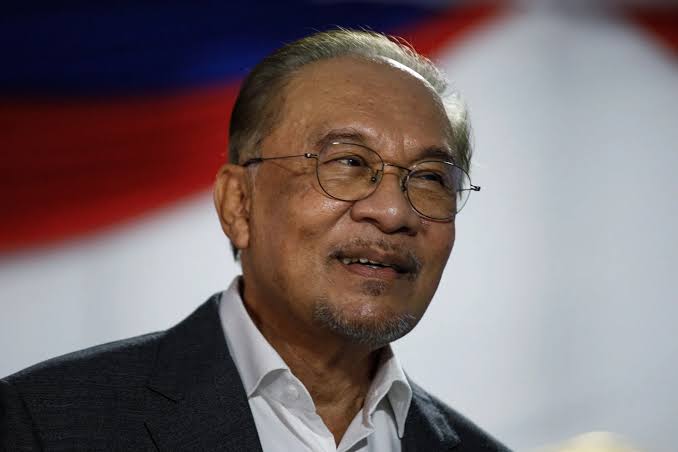
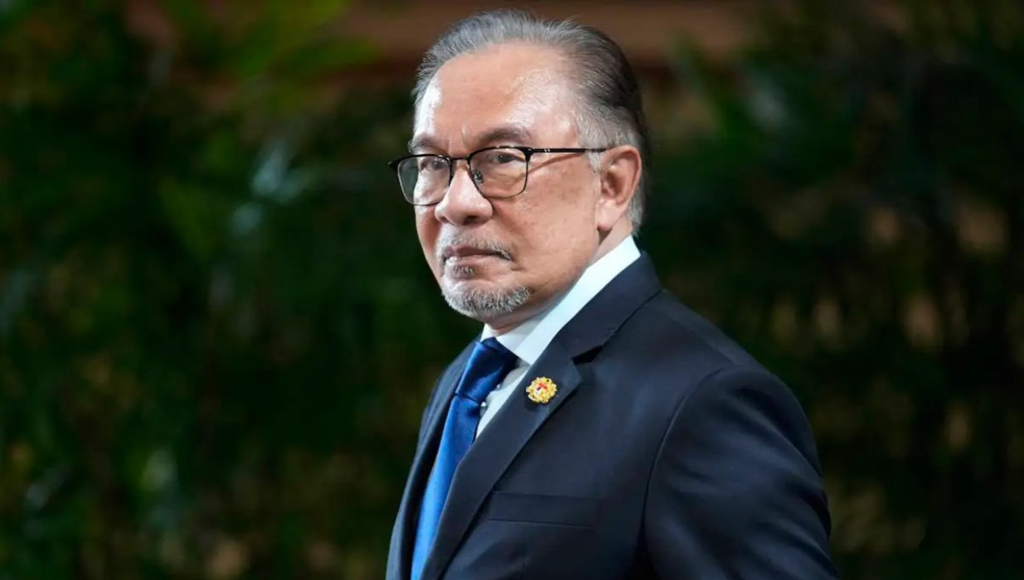
Prime Minister Anwar Ibrahim said the proposal aims to ensure continuity in public service operations while allowing greater flexibility in work practices. He added that the private sector will also be encouraged to adopt similar arrangements, following the example of several companies and banking institutions that have already implemented such practices.

“Other measures are being considered, including more flexible work regulations. Civil servants will be allowed to work from home in stages and selectively. God willing, apart from the public sector, we will also encourage the private sector to adopt similar practices,” he said.

The Prime Minister made the remarks while delivering a special address outlining the country’s strategic measures to enhance preparedness in facing the global energy crisis following the ongoing conflict in West Asia.

Anwar emphasised that the government remains committed to fiscal discipline, including efforts to reduce wastage and prevent financial leakages, while maintaining economic stability despite global uncertainty.

He noted that although the world is facing economic headwinds, Malaysia continues to attract strong foreign investment and remains a key investment destination amid global turmoil.

The Prime Minister also urged both public and private sector workers to continue strengthening the national economy, stressing that challenges should be viewed as opportunities to improve national resilience and capabilities.

–Minutes MY / Igneseous Noris

Related News