PUTRAJAYA: MAY 21, — The government sees the current global crisis as a catalyst to strengthen the country’s economic structure, including placing emphasis on a high-value economy, energy transition and a more comprehensive approach in channeling aid to the people.
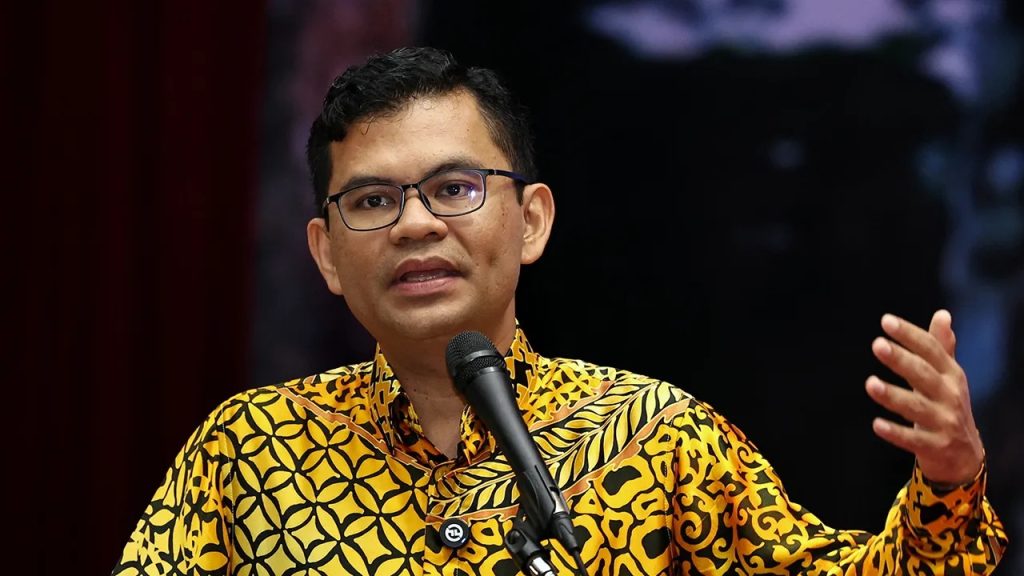
Economy Minister Akmal Nasrullah Mohd Nasir said that unlike the COVID-19 pandemic which required a spending stimulus following the closure of economic activities, the current crisis started from pressure on oil supplies before spreading to other sectors and causing a more complex economic impact.
“At that time (the COVID-19 pandemic), the need was to ensure that spending took place because economic activities were closed. Currently, the crisis we are facing started with pressure in terms of oil supply, then spread to other supplies.
“This crisis started with imports and so on, but the effects are more severe in terms of economic impact,” he said when speaking at the Economy Ministry’s monthly gathering, here, today.
He said that this situation meant that the government needed to focus on efforts to strengthen the country’s economic resilience through more sustainable structural changes.
“In the past, it was more about incentives, channeling all the incentives here and there. But managing the current situation is by strengthening our resilience,” he said.
Akmal Nasrullah said the current geopolitical crisis also sent a clear signal that focusing on high-value economies should be a priority, including the development of the semiconductor and sophisticated housekeeping sectors.
He said the government is also strengthening efforts to increase people’s income through the People’s Income Initiative – Food Entrepreneur Initiative (IPR-INSAN) programme, which so far involves 1,125 vending machines nationwide.
“Of that number, more than half or 58 percent were able to earn an average income of more than RM2,000,” he said, adding that the cumulative sales record of the programme participants reached more than RM20 million.
He said that the collaboration with the Federal Territory Islamic Religious Council (MAIWP) would also be expanded with the placement of approximately 50 of the machines, including in mosques, active suraus and educational institutions.
Meanwhile, he said, the government will also implement the use of biodiesel starting June 1 to help extend the diesel supply period to 20 days a year, in addition to supporting the energy transition agenda and reducing carbon emissions.
— BERNAMA