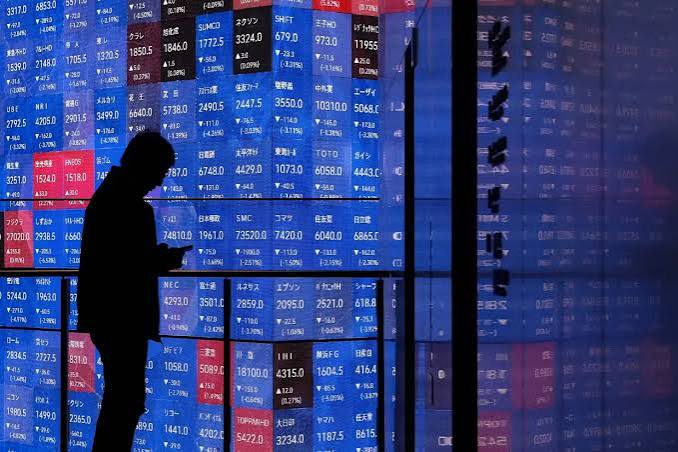
TOKYO, November 4 – Japan’s stock market fell sharply on Wednesday as technology shares came under pressure following early gains by Democrats in the US midterm elections.
Investors became concerned that stronger Democratic control in Congress could lead to tighter regulations on artificial intelligence (AI) infrastructure projects.
The concerns also raised questions about future investment in data centres, which play a major role in supporting AI development.
The Nikkei 225 index dropped 3.1% to 61,127.9 by 10:50am Japan time. Meanwhile, the broader Topix index fell 1.85% to 3,857.97.
AI and Technology Stocks Lead Market Declines
Several major Japanese technology companies recorded significant losses as investors reduced their exposure to AI-related shares.
Chip-testing equipment maker Advantest fell 6.4%, while Tokyo Electron declined 5%.
SoftBank Group, a major technology investor, also lost around 7%.
Memory chip manufacturer Kioxia dropped 10%.
Companies supplying fibre-optic cables and other materials used in data centres also faced selling pressure.
Fujikura shares fell 8.2%, while Furukawa Electric declined 9%.
US Election Results Raise Concerns Among Investors
The early US election results added uncertainty to global financial markets.
Investors are watching how changes in congressional control could affect policies linked to AI infrastructure, government spending and defence.
Other areas under attention include healthcare, banking and cryptocurrency regulation.
Takamasa Ikeda, senior portfolio manager at GCI Asset Management, said Democratic gains in key states had increased concerns about tighter rules for AI infrastructure investment.
The possibility of stricter regulations has made investors more cautious about companies connected to the AI industry.
Investors Watch Future AI Infrastructure Spending
Data centres require major investment in computer chips, power supplies, cooling systems and network equipment.
As a result, companies involved in AI infrastructure have become closely linked to expectations for future technology spending.
Any changes in government policy or investment conditions could influence how quickly these projects move forward.
The market reaction highlights the sensitivity of technology shares to political developments and changing investor expectations.
Most Nikkei Stocks Endure Selling Pressure
Market figures showed that 130 of the Nikkei’s 225 listed companies recorded losses, while 95 advanced.
The broad decline reflected selling pressure across several sectors, particularly companies linked to AI and semiconductor production.
Investors will continue monitoring the US election outcome and its possible impact on technology regulation and global investment.
Source : BERNAMA | Rewritten By Minutesmy