KUALA LUMPUR: The government may further reduce the fuel consumption quota under the Budi Madani (BUDI95) programme to 150 litres per month as part of efforts to safeguard the country’s fuel supply amid ongoing tensions in West Asia.
Deputy Finance Minister Liew Chin Tong said no timeline has been set for the proposed reduction, but the move remains under consideration as the BUDI95 system enables the government to monitor fuel usage data more accurately.
According to him, the data allows authorities to make subsidy adjustments and manage fuel supplies more effectively based on current economic and geopolitical conditions.
He noted that most Malaysians consume significantly less fuel than the current quota limit of 200 litres per month, which had already been lowered from 300 litres previously.
“About 80 percent of Malaysians use less than 200 litres monthly. If the quota is reduced to 150 litres, around 60 percent of the population would still fall below that level, while nearly half use less than 100 litres,” he said.
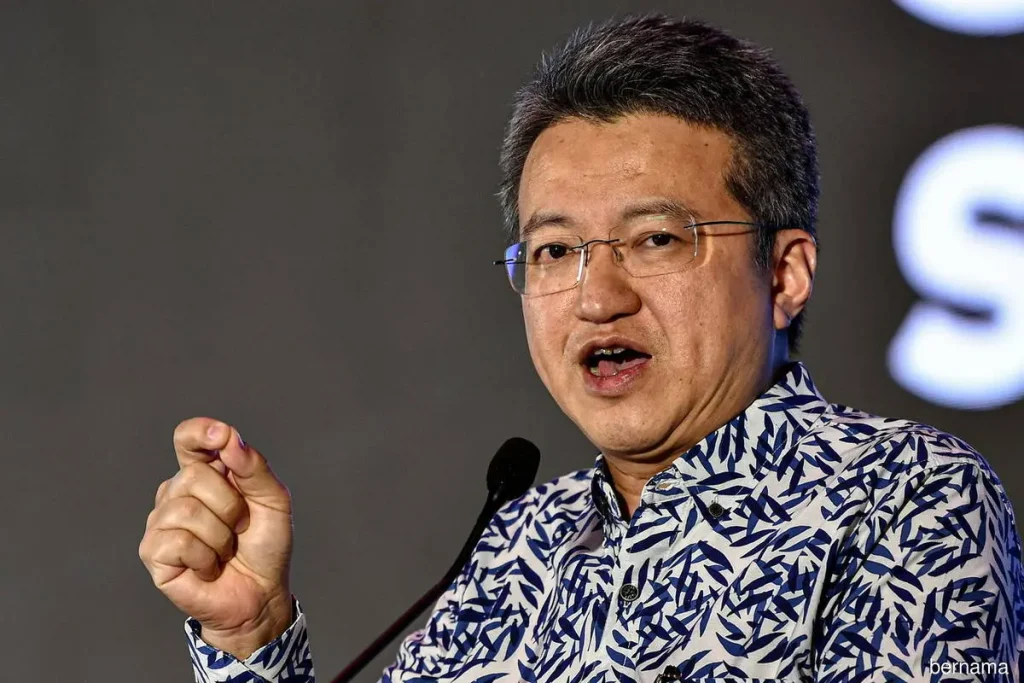
Liew was speaking during the Fireside Chat session titled Malaysia’s Response to Global Energy Crisis: Build Back Better held in conjunction with the AFFIN Market Outlook Conference 2026 organised by AFFIN Group.
He stressed that controlling fuel consumption is necessary to ensure stable domestic supply distribution, especially during periods of rising global oil prices.
The deputy minister also highlighted the importance of protecting low-income groups and motorcycle users from sudden fuel price increases. He said motorcycle users typically consume only about 50 litres of petrol monthly and should continue receiving higher subsidy support to ease cost-of-living pressures.
Liew added that fuel subsidy policies are also closely linked to the country’s social and political stability, particularly in ensuring vulnerable groups are not heavily burdened during challenging economic conditions.
He revealed that Malaysia’s monthly fuel subsidy expenditure surged almost tenfold following the spike in crude oil prices driven by geopolitical conflicts in West Asia since late February.
Meanwhile, the government is still working on a targeted diesel subsidy mechanism for Sabah and Sarawak similar to the BUDI95 model.
In the long term, he said Malaysia must accelerate investments in public transportation, electrification initiatives, and more efficient urban planning to reduce reliance on fossil fuels
— MINUTESMY