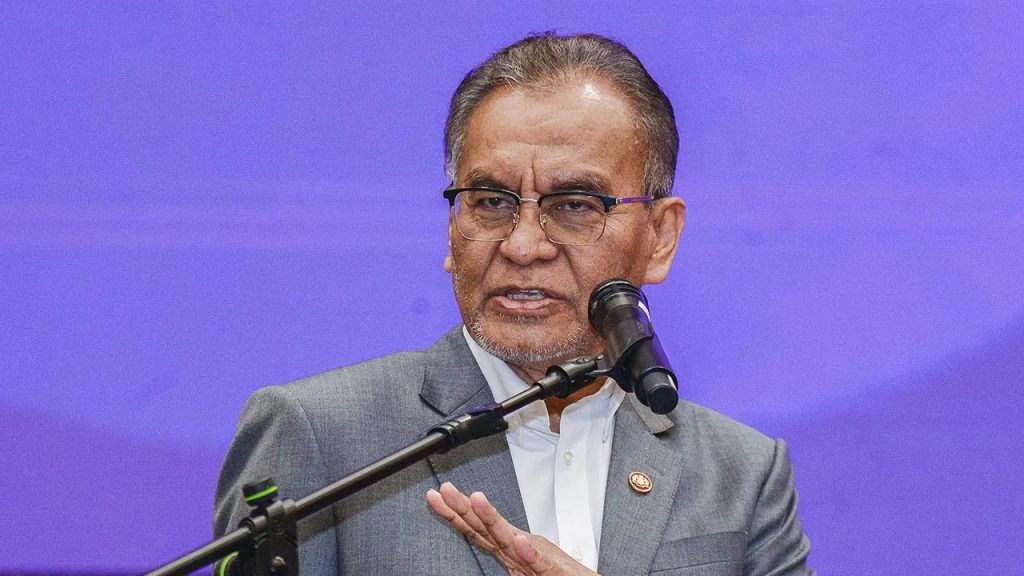
KUALA LUMPUR, MAY 20 — Malaysia has stressed the critical need to ensure access to humanitarian aid is not hindered in an increasingly uncertain geopolitical landscape.
Health Minister Datuk Seri Dr Dzulkefly Ahmad said under the theme “Reshaping Global Health: Shared Responsibility”, Malaysia calls on all countries to uphold the principles of humanity and respect humanitarian law.
“Protecting healthcare workers, infrastructure and the public must transcend political differences. Medical and health supply chains need to remain open and reliable, especially in times of crisis.”
“When health issues are politicized, or worse, weaponized, the most vulnerable groups will bear the greatest impact,” he said in a Malaysian statement at the 79th World Health Assembly in Geneva.
Dr Dzulkefly is currently in Geneva to attend the gathering which takes place from May 18 to 23.
He said Malaysia also expressed its appreciation for the report by the Director-General of the World Health Organization (WHO) which highlighted the organisation’s continued efforts in stabilising the health system and narrowing the global health gap.
At the domestic level, Dr Dzulkefly said the MADANI Health Reform, an initiative of the MADANI Government, is transforming the country’s healthcare system through the expansion of community-based care and accelerating digitalisation to ensure the delivery of quality and people-centred services.
He said the reform prioritized efforts to address non-communicable diseases and mental health through a “5S” strategic approach that focused on sugar, cigarettes, salt, stigma and a sedentary lifestyle.
He said the effort was also supported by the Behavioural Insights Action Plan which uses evidence-based psychology to refine public health interventions.
“In addition, our Lung Health initiative has unified treatment pathways for tuberculosis, chronic obstructive pulmonary disease (COPD) and lung cancer. Through the implementation of artificial intelligence (AI)-assisted screening nationwide, we are moving from a treat-when-you-get-ill approach to early detection and proactive treatment.
“We welcome member states to make this integrated model an example to achieve tangible benefits at the national level,” he said.
Concluding his speech, Dr Dzulkefly reiterated Malaysia’s commitment to continue supporting a WHO that is agile, responsible and future-ready, as well as strengthening the global health architecture towards a more resilient, inclusive and sustainable future for all.
— BERNAMA