On a typical Saturday morning, while much of the city is still waking up, dozens of Malaysians are already lacing up their running shoes, rolling out yoga mats or gathering for a cycling session with friends. What brings them together is not competition or the pursuit of athletic excellence. Instead, many are searching for something much simpler — a healthier lifestyle, a supportive community and a break from the pressures of everyday life. Across Malaysia, wellness and fitness communities are growing rapidly, attracting people from all walks of life. Whether it is a neighbourhood running club, a weekend hiking group or a community yoga class at a public park, these gatherings are becoming an important part of how Malaysians stay active and connected. For 29-year-old marketing executive Sarah Lim, joining a running club last year was initially about improving her fitness. What she did not expect was the sense of belonging she would find. "I thought I was signing up to exercise," she says. "But I ended up making friends who encourage me not just during runs, but in life as well." Sarah's experience is becoming increasingly common. As work schedules become more demanding and digital interactions replace face-to-face connections, many Malaysians are turning to wellness communities to fill a social gap. Unlike traditional gyms, where workouts can often feel solitary, community-based fitness activities offer a shared experience. Conversations happen between stretches, friendships are formed during long walks and support is readily available when motivation begins to fade. The appeal extends beyond physical health. Mental wellness has become a growing priority for many Malaysians, particularly among younger adults navigating fast-paced careers and rising daily pressures. Activities such as yoga, meditation and nature hikes are gaining popularity as people seek healthier ways to manage stress. For some, simply spending time outdoors and being present with others can have a powerful impact. "It's not about running the fastest or climbing the highest mountain," says outdoor enthusiast Amirul Hakim, who regularly participates in hiking groups around the Klang Valley. "It's about disconnecting from work for a few hours and reconnecting with yourself." Social media has also played a role in fueling the movement. Platforms such as Instagram and TikTok are filled with local fitness communities sharing their activities, inspiring others to join and making wellness feel more accessible. Yet many participants believe the real value lies beyond the photos and fitness trackers. What keeps people returning week after week is the human connection. At a time when loneliness and burnout have become increasingly common topics of conversation, wellness communities offer something many people may not realise they need: a support system. The beauty of the trend is that it does not require expensive memberships or specialised equipment. A comfortable pair of shoes, a willingness to show up and an open mind are often enough. As more Malaysians embrace active lifestyles, wellness is gradually becoming less about appearance and more about overall well-being. The focus is shifting from achieving a perfect body to building healthier habits, stronger relationships and greater balance in everyday life. In many ways, the rise of wellness communities reflects a broader cultural change. Malaysians are beginning to recognise that health is not only measured by physical strength or fitness levels, but also by the quality of their connections, their mental well-being and their sense of purpose. And perhaps that is why, every weekend, more people are choosing to gather in parks, trails and community spaces across the country. They may arrive as strangers, but many leave feeling healthier, happier and a little less alone. -- MINUTESMY / SUGAN BALAN
More Than Exercise: How Wellness Communities Are Helping Malaysians Find Connection and Balance

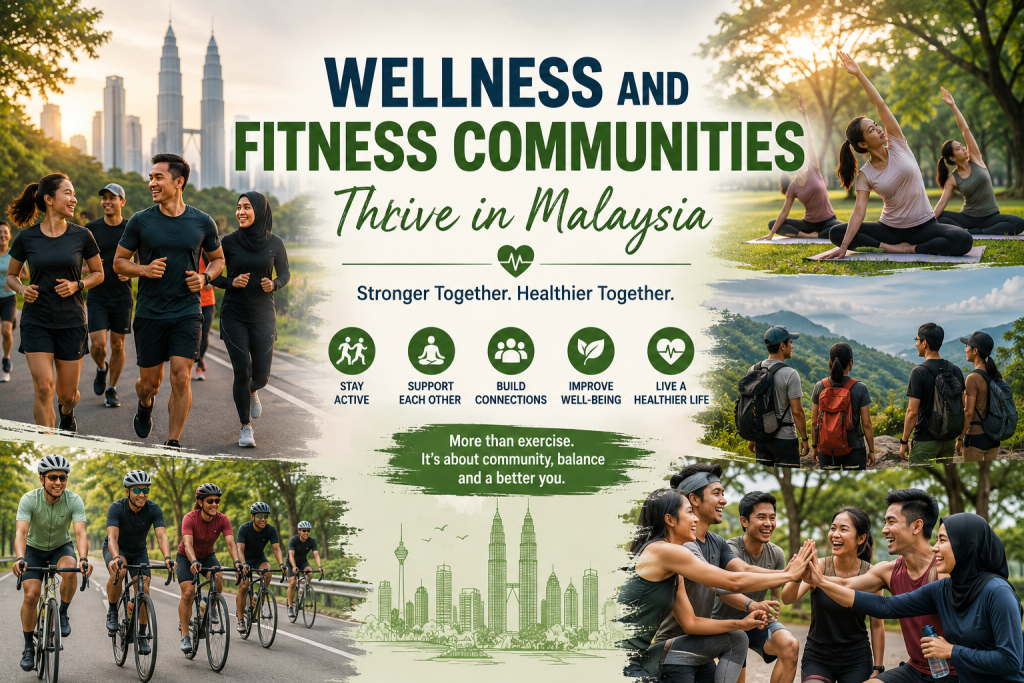
On a typical Saturday morning, while much of the city is still waking up, dozens of Malaysians are already lacing up their running shoes, rolling out yoga mats or gathering for a cycling session with friends.

What brings them together is not competition or the pursuit of athletic excellence. Instead, many are searching for something much simpler — a healthier lifestyle, a supportive community and a break from the pressures of everyday life.

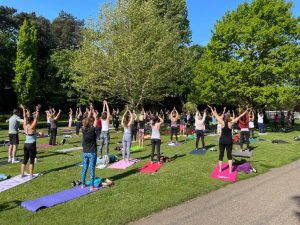
Across Malaysia, wellness and fitness communities are growing rapidly, attracting people from all walks of life. Whether it is a neighbourhood running club, a weekend hiking group or a community yoga class at a public park, these gatherings are becoming an important part of how Malaysians stay active and connected.

For 29-year-old marketing executive Sarah Lim, joining a running club last year was initially about improving her fitness. What she did not expect was the sense of belonging she would find.

“I thought I was signing up to exercise,” she says. “But I ended up making friends who encourage me not just during runs, but in life as well.”

Sarah’s experience is becoming increasingly common. As work schedules become more demanding and digital interactions replace face-to-face connections, many Malaysians are turning to wellness communities to fill a social gap.

Unlike traditional gyms, where workouts can often feel solitary, community-based fitness activities offer a shared experience. Conversations happen between stretches, friendships are formed during long walks and support is readily available when motivation begins to fade.

The appeal extends beyond physical health.

Mental wellness has become a growing priority for many Malaysians, particularly among younger adults navigating fast-paced careers and rising daily pressures. Activities such as yoga, meditation and nature hikes are gaining popularity as people seek healthier ways to manage stress.

For some, simply spending time outdoors and being present with others can have a powerful impact.

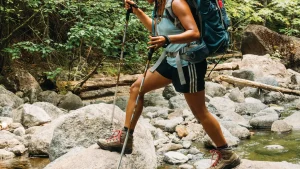
“It’s not about running the fastest or climbing the highest mountain,” says outdoor enthusiast Amirul Hakim, who regularly participates in hiking groups around the Klang Valley. “It’s about disconnecting from work for a few hours and reconnecting with yourself.”
Social media has also played a role in fueling the movement. Platforms such as Instagram and TikTok are filled with local fitness communities sharing their activities, inspiring others to join and making wellness feel more accessible.

Yet many participants believe the real value lies beyond the photos and fitness trackers.

What keeps people returning week after week is the human connection.

At a time when loneliness and burnout have become increasingly common topics of conversation, wellness communities offer something many people may not realise they need: a support system.

The beauty of the trend is that it does not require expensive memberships or specialised equipment. A comfortable pair of shoes, a willingness to show up and an open mind are often enough.

As more Malaysians embrace active lifestyles, wellness is gradually becoming less about appearance and more about overall well-being. The focus is shifting from achieving a perfect body to building healthier habits, stronger relationships and greater balance in everyday life.

In many ways, the rise of wellness communities reflects a broader cultural change. Malaysians are beginning to recognise that health is not only measured by physical strength or fitness levels, but also by the quality of their connections, their mental well-being and their sense of purpose.

And perhaps that is why, every weekend, more people are choosing to gather in parks, trails and community spaces across the country.

They may arrive as strangers, but many leave feeling healthier, happier and a little less alone.

— MINUTESMY / SUGAN BALAN

Related News