Informa Markets Puts Bangkok at the Center of Southeast Asia’s Pharma Industry, Uniting 400 Exhibitors, Experts from 70 Countries at CPHI South East Asia
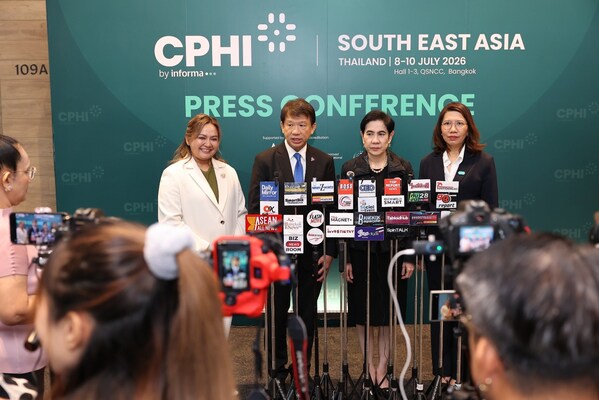
BANGKOK, May 24, 2026 /PRNewswire/ -- Informa Markets sets to organise CPHI South East Asia from 8–10 July 2026 at Queen Sirikit National Convention Center under the theme "The Gateway to the ASEAN Pharma Industry." The event is a comprehensive pharmaceutical manufacturing exhibition, technology showcase, and conference for Southeast Asia, featuring innovations from more than 400 companies worldwide. Highlights include international pavilion zones from eight markets, showcasing innovation trends from Mainland China, India, Indonesia, Malaysia, South Korea, Taiwan, Thailand, Vietnam, and Egypt. The event will also provide business matching opportunities and over 60 academic conference sessions. Organisers expect more than 10,000 visitors from over 70 countries during the three-day event, creating new business opportunities throughout the exhibition. Ms. Rungphech Chitanuwat, Regional Portfolio Director – ASEAN at Informa Markets said, "The pharmaceutical industry in Thailand continues to show strong growth potential, supported by several factors including the country's transition into a fully aged society, the increasing prevalence of non-communicable diseases (NCDs), healthcare system expansion, growth in medical tourism, and the use of essential medicines in hospitals under Thailand's universal healthcare system. In 2024, Thailand's pharmaceutical industry was valued at approximately THB 240 billion (around 6.9 billion dollars), and is projected to grow by 6–7% due to these supporting factors. Market research agencies also forecast that by 2030, the industry could reach a value of 480 billion baht or 13.9 billion dollars. Another key trend to watch is the increasing push from both the public and private sectors toward pharmaceutical development and innovation, including both generic drugs and newly developed medicines. This aligns with government efforts to strengthen pharmaceutical security. Pharmaceutical and healthcare security has therefore become a national policy priority aimed at raising public healthcare standards and strengthening the country's economy as Thailand seeks to join the OECD within five years. Policies also focus on reducing reliance on imported medicines, supporting domestic active pharmaceutical ingredient (API) production, and increasing manufacturing capacity for essential medicines in line with actual production costs. This is the driving force behind the organization of CPHI South East Asia, a technology and innovation exhibition with the important goal of contributing to Thailand's pharmaceutical security. The event aims to help drive both healthcare and the economy forward, positioning Thailand as a Medical Hub for Southeast Asia through internationally standardized pharmaceutical manufacturing and enhanced competitiveness in global export markets. Ms. Rungphech added, "Pharmaceutical security is a shared responsibility and a foundation of human security. Government and private sector must work in tandem to ensure Thailand not only has access to medicines, but becomes a country that the world trusts to produce them." "CPHI South East Asia is part of International Healthcare Week and will be held at Queen Sirikit National Convention Center from 8–10 July 2026 under the theme "The Gateway to the ASEAN Pharma Industry." The event will contribute to advancing Thailand's pharmaceutical industry in line with the country's strategic development goals." Ms. Supatra Boonserm, Secretary-General of the Food and Drug Administration (FDA), under the Food and Drug Administration Office (Thai FDA), Ministry of Public Health, stated that in a world where medical technology continues to advance rapidly, we are now entering the era of Advanced Therapy Medicinal Products (ATMPs). These are no longer just "medicines" in the traditional sense, but represent "new hope" for treating diseases once considered incurable — whether through cell therapy, gene therapy, or tissue engineering. Today, the role of the Thai FDA is no longer limited to being merely a "regulator" responsible for screening product safety. It has evolved into an "Innovation Facilitator," aiming to position Thailand as a true regional healthcare hub. The FDA's key mission in supporting ATMPs is built upon three major pillars: 1.Creating a Regulatory "Fast Track" (Regulatory Excellence) Complex innovations require regulations that are both flexible and rigorous. The FDA has therefore developed legal frameworks aligned with international standards, covering product classification and dedicated GMP standards specifically for ATMPs. This ensures that products developed by Thai innovators meet global standards and can confidently compete in international markets. 2. Serving as a Strategic Partner for Researchers and Entrepreneurs (Proactive Partnership) The FDA has implemented a Pre-submission Consultation mechanism to provide technical guidance before formal approval applications are submitted. It has also introduced Fast Track pathways for products addressing urgent medical needs, helping reduce unnecessary delays and barriers while maintaining patient safety as the highest priority. 3. Building an "Ecosystem of Trust" (Ecosystem of Trust) The FDA oversees clinical trials to ensure ethical compliance and maintains long-term post-market safety monitoring systems. This is intended to build confidence among both patients and healthcare professionals that these innovations will remain effective and safe in a sustainable manner. Mr. Surachai Ruengsuksilp, Honorary Chairman of the Pharmaceutical Industry Group under the Federation of Thai Industries and Vice President of the Thai Pharmaceutical Manufacturers Association (TPMA), stated that the pharmaceutical industry is not merely an economic driver, but also a "critical infrastructure for national security." Currently, Thailand's pharmaceutical market is valued at more than THB 240 billion. Amid these opportunities, the Federation of Thai Industries has established a strategic direction to position Thailand as a full-fledged Regional Pharma Hub through three key strategies: 1.Transforming from an "Importer" to a "Producer for Security" Reducing dependence on imported medicines by promoting domestic production of Active Pharmaceutical Ingredients (APIs), thereby reducing vulnerability to global crises. 2. Upgrading from "Basic Medicines" to "Advanced Innovation" Supporting Thai pharmaceutical manufacturers in upgrading to internationally recognized PIC/S GMP standards, enabling Thai medicines not only to serve the CLMV market but also to expand exports globally. 3. Building a Strong Pharmaceutical Ecosystem Driving collaboration with the government and the Board of Investment (BOI) to create an investment environment conducive to research and development, while also reforming procurement regulations to better reflect actual quality-based costs. This is intended to help Thai pharmaceutical companies remain competitive and achieve sustainable growth. The Federation of Thai Industries aims to make Thailand "a regional production base for high-quality and affordable medicines," focusing not only on economic growth figures, but also on ensuring that Thai people have sufficient access to safe medicines under all circumstances. Dr.Ponthip Wirachwong Ph.D. Deputy Managing Director, Government Pharmaceutical Organization (GPO), stated that beyond its primary role in pharmaceutical manufacturing, the organization's core mission is to ensure confidence in Thailand's healthcare system by guaranteeing that Thai people will never face medicine shortages during crises or at any time. In the past, Thailand has experienced epidemics and natural disasters, and the GPO has maintained reserve systems for essential medicines and medical supplies to ensure that hospital operations can continue without disruption caused by delays. "Even the most advanced medicine fails if it remains out of reach. GPO's mission is simple: ensure every Thai patient has access to safe, quality medicines — at a price that doesn't force them to choose between health and survival," she said. -- SOURCE : Informa Markets

BANGKOK, May 24, 2026 /PRNewswire/ — Informa Markets sets to organise CPHI South East Asia from 8–10 July 2026 at Queen Sirikit National Convention Center under the theme “The Gateway to the ASEAN Pharma Industry.” The event is a comprehensive pharmaceutical manufacturing exhibition, technology showcase, and conference for Southeast Asia, featuring innovations from more than […]

Malaysia has the potential to lead the development of ASEAN Energy Grid – TNB
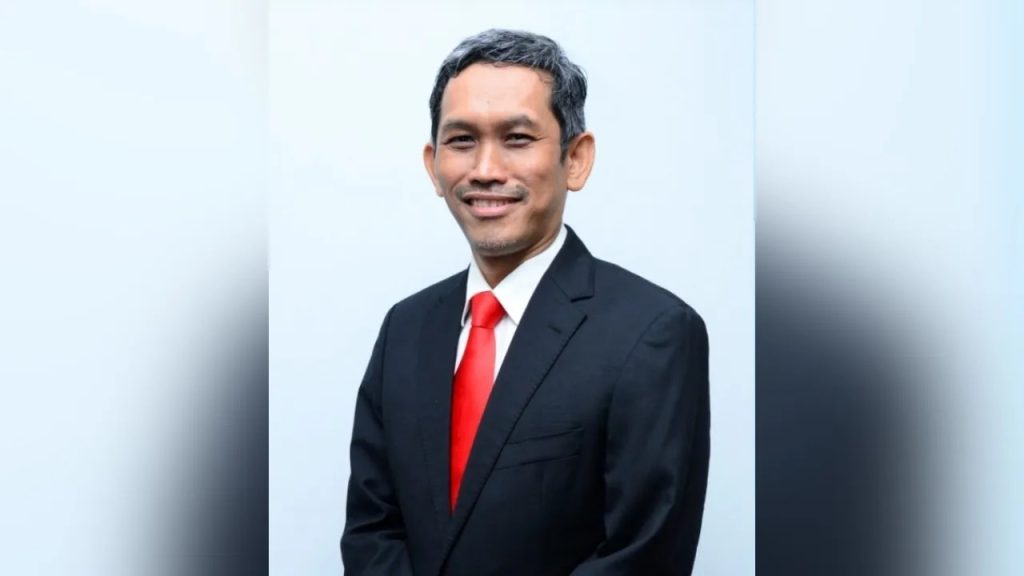
KUALA LUMPUR, May 24 -- Malaysia has a strong foundation to lead the development of smart and sustainable energy in the ASEAN region, especially through efforts to realise the ASEAN Power Grid (APG), said Tenaga Nasional Bhd (TNB) Senior Chief Strategy, Regulatory and Sustainability Officer, Datuk Muhamad Nazri Pazil. He said Malaysia's strategic position at the heart of ASEAN, world-class grid infrastructure, mature energy ecosystem and policies that support the energy transition agenda give the country an advantage to play a greater role at the regional level. "In terms of our strategic position, it allows us to collaborate with other energy utility partners through an initiative we call APG. "With this APG, we can share energy. When there is high demand in a country, we can help," he said in the Ruang Bicara program produced by BERNAMA TV on Thursday. Muhamad Nazri said the Energy Transition Conference 2026 (ETCon26) which will take place from June 3 to 5, 2026 at the Kuala Lumpur Convention Centre will be an important platform for ASEAN countries to discuss measures to accelerate the realisation of the APG. He said the conference would be attended by participants from Malaysia, the ASEAN region and outside ASEAN, with approximately 2,000 delegates from various countries and technical backgrounds expected to attend. "In the context of this ETCon, it is very noticeable because we provide the platform." "There will be participation from ASEAN countries and we can discuss how to further accelerate our desire to realise this APG," he said. Commenting further on cross-border energy cooperation, he said the Laos-Thailand-Malaysia-Singapore (LTMS) initiative was the first connection that enabled commercial energy transfers and for security of supply purposes. He said there were five other projects in planning and feasibility studies including the Vietnam-Malaysia-Singapore (VMS) connection, Sarawak-Peninsula-Singapore, as well as increasing Malaysia's connectivity with Thailand and Singapore. "If there is connectivity between ASEAN countries, we can strengthen the security of energy supply. "We know that right now there are geopolitical issues, gas costs are also rising, so when we have renewable energy (RE) that can be shared, this means costs can be controlled," he said. Muhamad Nazri said such collaborations also enable renewable energy from countries such as Laos, which has hydro resources, and Vietnam, which has wind resources, to be channeled to other countries including Malaysia and Singapore. Regarding ETCon26, he said the conference would be officiated by Prime Minister Datuk Seri Anwar Ibrahim, while Deputy Prime Minister and Minister of Energy Transition and Water Transformation Datuk Seri Fadillah Yusof would deliver the keynote address on the first day. He said more than 80 speakers have confirmed their participation, in addition to 40 sponsors who will open their respective stalls throughout the conference. He said ETCon26 would also focus on how energy and artificial intelligence (AI) could be combined to drive the energy transition in Malaysia and the Asian region. Muhamad Nazri said ETCon26 should not stop as a mere conference space but rather should be translated into clear follow-up actions through strategic collaboration, investment and implementation. "In ETCon26, there will be 16 strategic collaboration exchanges and launches," he said. He said the ultimate goal of ETCon is to be a catalyst for the actual implementation of the energy transition with visible impacts in the short, medium and long term. -- BERNAMA

KUALA LUMPUR, May 24 — Malaysia has a strong foundation to lead the development of smart and sustainable energy in the ASEAN region, especially through efforts to realise the ASEAN Power Grid (APG), said Tenaga Nasional Bhd (TNB) Senior Chief Strategy, Regulatory and Sustainability Officer, Datuk Muhamad Nazri Pazil. He said Malaysia’s strategic position at […]

Geopolitical uncertainty an opportunity for ASEAN to accelerate aviation reform

BANGKOK: ASEAN sees the current geopolitical and economic uncertainties involving the aviation sector as an opportunity to boost regional cooperation as well as accelerate long-overdue reforms. Deputy Secretary-General of the ASEAN Economic Community Satvinder Singh said the reforms included aspects of liberalising cargo services, standardising regulations and accelerating the implementation of the ASEAN Single Aviation Market (ASAM) which could further strengthen the Southeast Asian aviation sector. He is also optimistic that the current global challenges can strengthen the ASEAN aviation sector for the next one to two years. "I hope we can come together again in another year or two to say that this crisis has its benefits and this is what unites us," he said at a panel session at the Airports Council International (ACI) Asia Pacific and Middle East Regional Assembly, Conference and Exhibition here, today. Satvinder said ASEAN member states were seen to be using the crisis as a catalyst to improve coordination, strengthen resilience and accelerate reforms that had previously been at a slower pace. He said ASEAN was also finalising what was described as the world's largest regional digital agreement that had legal validity and was expected to be signed later this year in Manila. The agreement is expected to support the aviation sector and regional connectivity by improving payment systems, data flows and e-commerce integration. In addition, he said that despite concerns about trade disruptions and geopolitical tensions, ASEAN entered 2026 in a strong position with the region's Gross Domestic Product (GDP) growing by 4.9 percent in 2025, exceeding the initial projection of 4.2 percent. Regional trade also grew by 8.8 percent, rising from US$3.8 trillion (US$1= RM3.93) to US$4.3 trillion while foreign direct investment (FDI) grew by 10 percent. Satvinder said ASEAN leaders have also shown strong unity in addressing current challenges, including cooperation to ensure the resilience of the energy and aviation sectors. He cited Thailand's offer to support neighboring countries with surplus jet fuel as an example of the spirit of cooperation in the region. The current crisis is also an opportunity to strengthen aspects of intra-ASEAN travel and regional integration. In addition, he stressed the importance of accelerating the ratification process of aviation agreements within ASEAN to enhance the implementation of the ASAM. "We need to increase the ratification process in the region and leverage existing efforts to enable this agreement to be fully implemented," he said. ASEAN, he said, has made great progress in its efforts to liberalize third and fourth freedoms of traffic rights and is now continuing negotiations on air services agreements with key allies including the European Union, Japan, South Korea and the United Kingdom. "However, there is still much to be done, particularly in liberalising air cargo services, harmonising regulations and strengthening mutual recognition in the aviation safety system," he said. Satvinder also stressed the strategic importance of air cargo links to the ASEAN semiconductor industry, with the region producing 60 to 70 percent of the world's semiconductors and largely dependent on air transport services. Apart from aviation liberalisation, Satvinder said ASEAN is also working to advance broader regional initiatives in the aspects of digitalisation and sustainability. Commenting on sustainability, he said ASEAN countries are likely to increase efforts in the development of sustainable aviation fuel (SAF) and biofuels by leveraging the strong capabilities of the agricultural sector and the region's extensive agricultural waste resources. According to Satvinder, while the current crisis is creating operational challenges across the aviation sector, the situation also highlights the urgent need for ASEAN countries to move faster in terms of regional coordination, resilience and long-term transformation. -- BERNAMA

BANGKOK: ASEAN sees the current geopolitical and economic uncertainties involving the aviation sector as an opportunity to boost regional cooperation as well as accelerate long-overdue reforms. Deputy Secretary-General of the ASEAN Economic Community Satvinder Singh said the reforms included aspects of liberalising cargo services, standardising regulations and accelerating the implementation of the ASEAN Single Aviation […]

IBM, Micron, Boeing Among 22 US Firms Backing Malaysia’s Green Transition — NRES
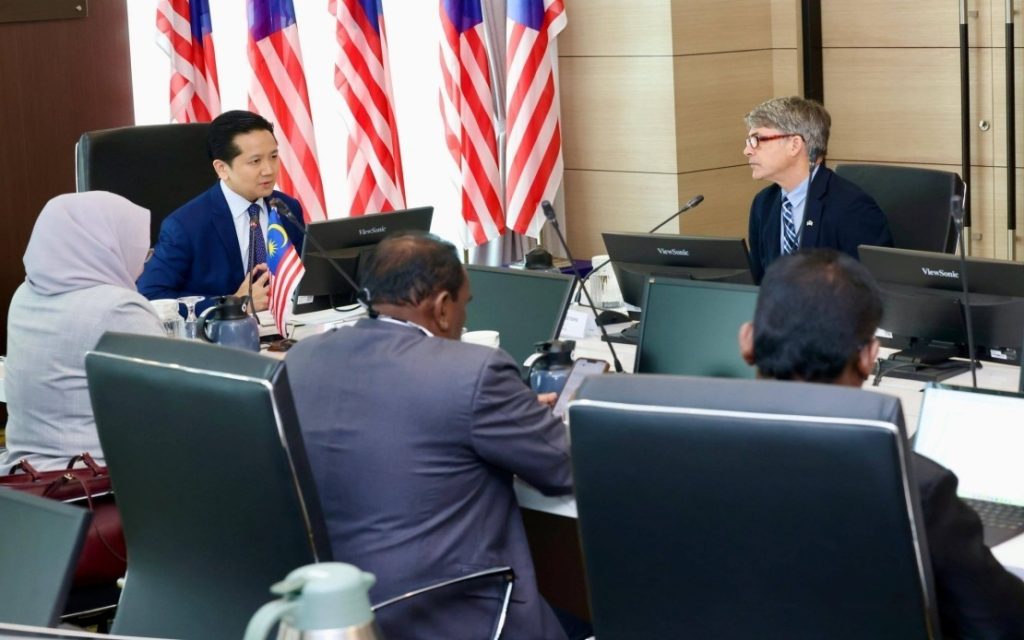
PUTRAJAYA, May 12 — IBM, Micron and Boeing are among 22 United States (US) companies supporting Malaysia’s green transition through strategic cooperation with the Ministry of Natural Resources and Environmental Sustainability (NRES). The commitment was conveyed during a meeting today between Minister of Natural Resources and Environmental Sustainability Datuk Seri Arthur Joseph Kurup and a […]

ASEAN Must Remain United in Facing Global Crises – PM Anwar Ibrahim
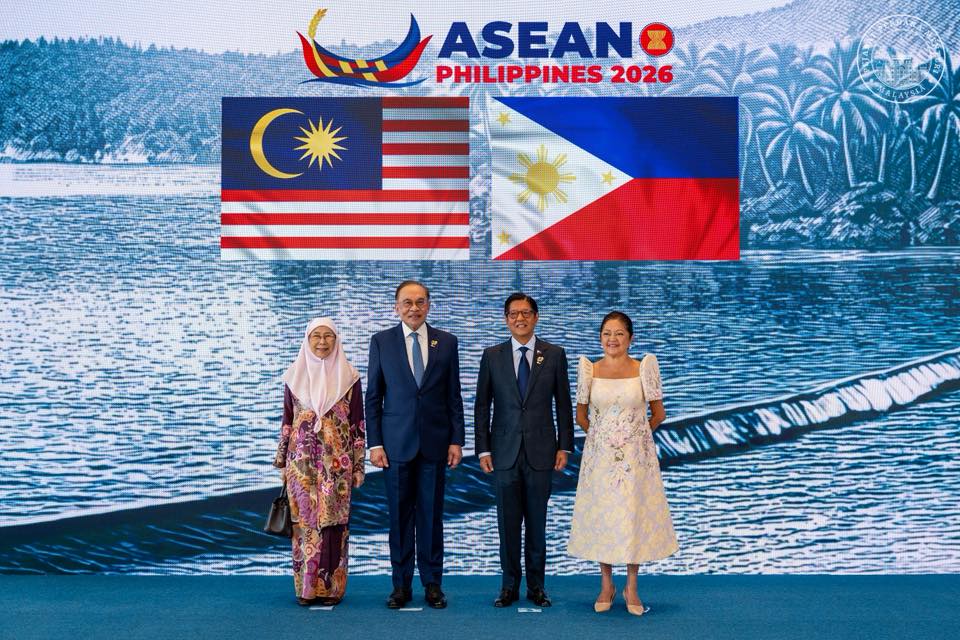
KUALA LUMPUR, May 8 — Prime Minister Anwar Ibrahim reaffirmed Malaysia’s strong commitment to strengthening ASEAN unity in addressing increasingly complex global challenges, particularly geopolitical crises that have directly impacted energy security, food security, and the stability of regional supply chains. Speaking at the 48th ASEAN Summit today, he stressed that no country could confront the ongoing global uncertainties alone, underscoring the need to further reinforce collective cooperation and regional solidarity within ASEAN. Anwar said Malaysia also expressed support for accelerating the ASEAN Power Grid initiative, strengthening regional petroleum security mechanisms, and expanding strategic cooperation networks, including through ASEAN-GCC-China collaboration, to ensure long-term energy resilience. On food security, he said ASEAN must take more decisive action through the coordination of emergency food stockpiles and the strengthening of the ASEAN Plus Three Emergency Rice Reserve (APTERR) mechanism to shield the region from food inflation and supply disruptions. He also emphasised that the safety of ASEAN citizens in conflict areas must remain a shared priority among member states. According to him, ASEAN should intensify information sharing, diplomatic cooperation, and emergency response mechanisms to safeguard the welfare of ASEAN citizens abroad. Anwar stressed that ASEAN must continue to serve as a platform for regional stability, inclusiveness, and resilience amid growing global uncertainty and intensifying geopolitical competition. -- MINUTESMY -- SOURCE: FB ANWAR IBRAHIM

KUALA LUMPUR, May 8 — Prime Minister Anwar Ibrahim reaffirmed Malaysia’s strong commitment to strengthening ASEAN unity in addressing increasingly complex global challenges, particularly geopolitical crises that have directly impacted energy security, food security, and the stability of regional supply chains. Speaking at the 48th ASEAN Summit today, he stressed that no country could confront […]

ASEAN targets 30 percent intra-regional trade by 2030 – Mohamad
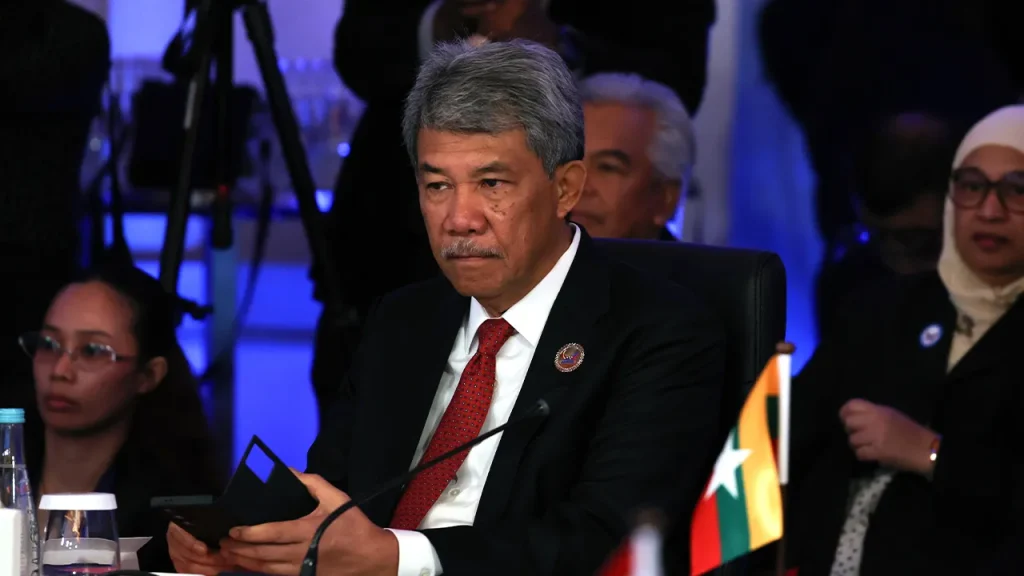
CEBU: ASEAN is committed to strengthening intra-regional trade, including increasing trade between member countries to at least 30 percent by 2030. Foreign Minister Datuk Seri Mohamad Hasan said ASEAN member states need to move as a more organised and united bloc to address the impact of global conflicts, including disruptions to regional trade, economy and security, especially during conflicts in West Asia. He said ASEAN needs to emphasize efforts to streamline free trade agreements (FTAs) and facilitate the movement of goods among member countries to strengthen intra-ASEAN trade. "Intra-ASEAN trade has not yet reached 25 percent. We want trade between ASEAN countries to reach at least 30 percent by 2030." "We are looking at the current status, the obstacles and the steps that need to be taken. Therefore, we want the memorandum of understanding (MoU), ASEAN FTA and the movement of goods to be streamlined." "If possible, trade between ASEAN countries should also not be subject to tariffs," he told Malaysian media on Thursday. Mohamad said the conflict in West Asia was an important lesson to ASEAN that cooperation and understanding among member countries was essential to face regional and global challenges. "Each has its strengths and advantages. We need to find a formula for how we can strengthen cooperation and help each other," he said. Regarding the ASEAN Foreign and Economic Ministers' Joint Meeting held on Thursday, Mohamad said it was an initiative initiated under the Malaysian chairmanship to ensure coordination between the political-security and economic pillars. He said that ASEAN's development had previously been largely based on political and security aspects, but the focus had now shifted to strengthening the economy and more comprehensive regional cooperation. He said that a joint meeting involving ASEAN Foreign Ministers and Economic Ministers was held to ensure that every decision could be coordinated across all ASEAN pillars, including economic, social and cultural.

CEBU: ASEAN is committed to strengthening intra-regional trade, including increasing trade between member countries to at least 30 percent by 2030. Foreign Minister Datuk Seri Mohamad Hasan said ASEAN member states need to move as a more organised and united bloc to address the impact of global conflicts, including disruptions to regional trade, economy and […]

PM Anwar Arrives In Cebu For 48th ASEAN Summit
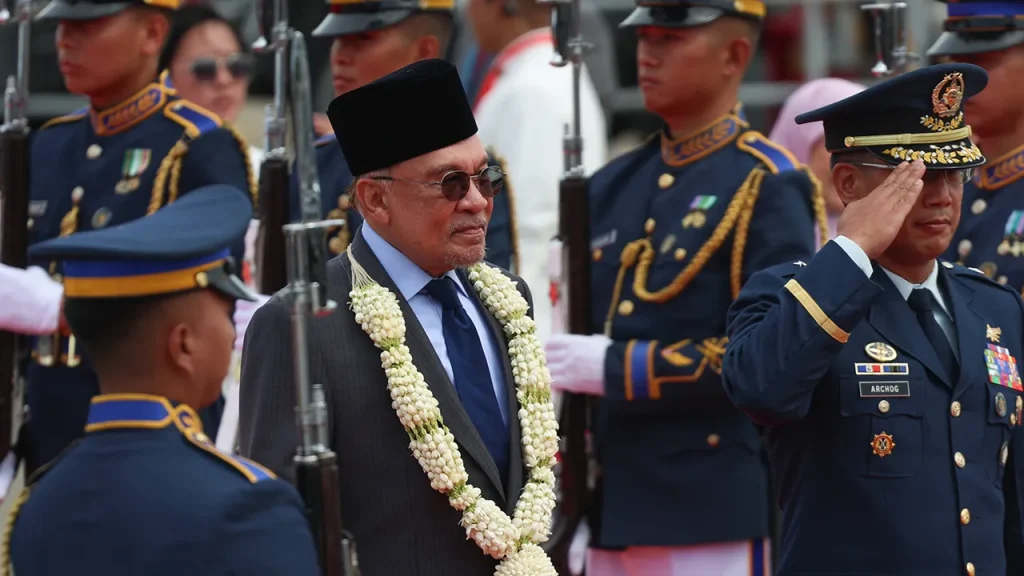
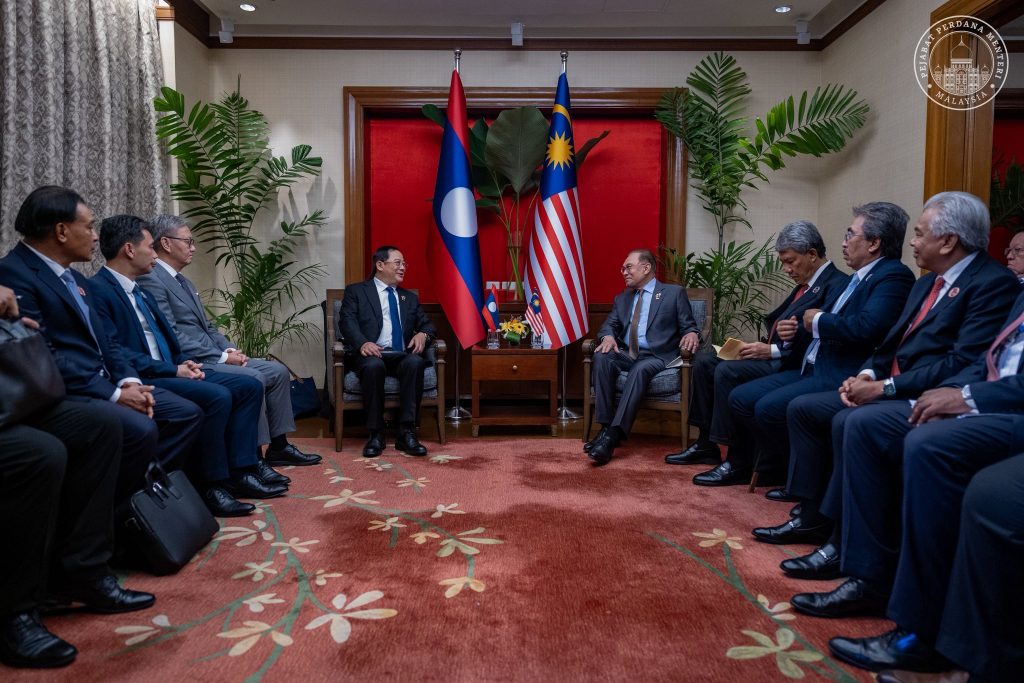
CEBU (Philippines), May 7 (Bernama) -- Prime Minister Datuk Seri Anwar Ibrahim arrived here today for a two-day visit to attend the 48th ASEAN Summit and Related Meetings. A special aircraft carrying Anwar and his wife, Datuk Seri Dr Wan Azizah Wan Ismail, landed at the Brigadier General Benito N. Ebuen Air Base here at 1.50 pm, which is the same time as Kuala Lumpur. They were welcomed by the Philippines’ Department of Energy Secretary Sharon S. Garin, Cebu Governor Pamela Baricuatro and Lapu-Lapu City Mayor Cynthia King-Chan. Also present was Malaysian Ambassador to the Philippines Datuk Abdul Malik Melvin Castelino Anthony. Anwar was also greeted by a guard of honour led by Brig Gen Joseph Archog, Wing Commander of the Philippine Air Force’s 220th Airlift Wing and welcomed by a troupe of traditional dancers at the airport. Upon arrival, Anwar will participate in the Special Brunei Darussalam-Indonesia-Malaysia-Philippines East ASEAN Growth Area (BIMP-EAGA) Summit, to be held on the sidelines of the ASEAN Summit, where discussions will focus on sub-regional development. Later, he is scheduled to hold bilateral meetings with his counterparts from Laos and Singapore, before attending the BIMP-EAGA leaders’ dinner hosted by Philippine President Ferdinand R. Marcos Jr. and his wife, Louise Araneta-Marcos. On May 8, Anwar will attend the opening of the 48th ASEAN Summit. He is also expected to hold bilateral meetings with his Vietnam and Thailand counterparts thereafter. He will later join a gala dinner hosted by Marcos and his wife before returning home. In a statement yesterday, the Foreign Ministry said the summit serves as an opportunity for Malaysia to share and exchange views on various issues on ASEAN Community building and the way forward.  Discussions will also focus on the impacts of the crisis in West Asia on the Southeast Asian region, ASEAN’s response towards ensuring regional energy and food security, as well as the safety of the bloc’s nationals in the affected areas. The Philippines took over the ASEAN chairmanship from Malaysia on Jan 1, 2026.  Themed “Navigating Our Future, Together,” the republic, during its tenure, seeks to steer ASEAN’s priorities through three pillars: Peace and Security Anchors, Prosperity Corridors, and People Empowerment.

CEBU (Philippines), May 7 — Prime Minister Datuk Seri Anwar Ibrahim arrived here today for a two-day visit to attend the 48th ASEAN Summit and Related Meetings. A special aircraft carrying Anwar and his wife, Datuk Seri Dr Wan Azizah Wan Ismail, landed at the Brigadier General Benito N. Ebuen Air Base here at 1.50 […]

UMNO Among ASEAN’s Oldest Political Parties As It Turns 80 – Ahmad Zahid
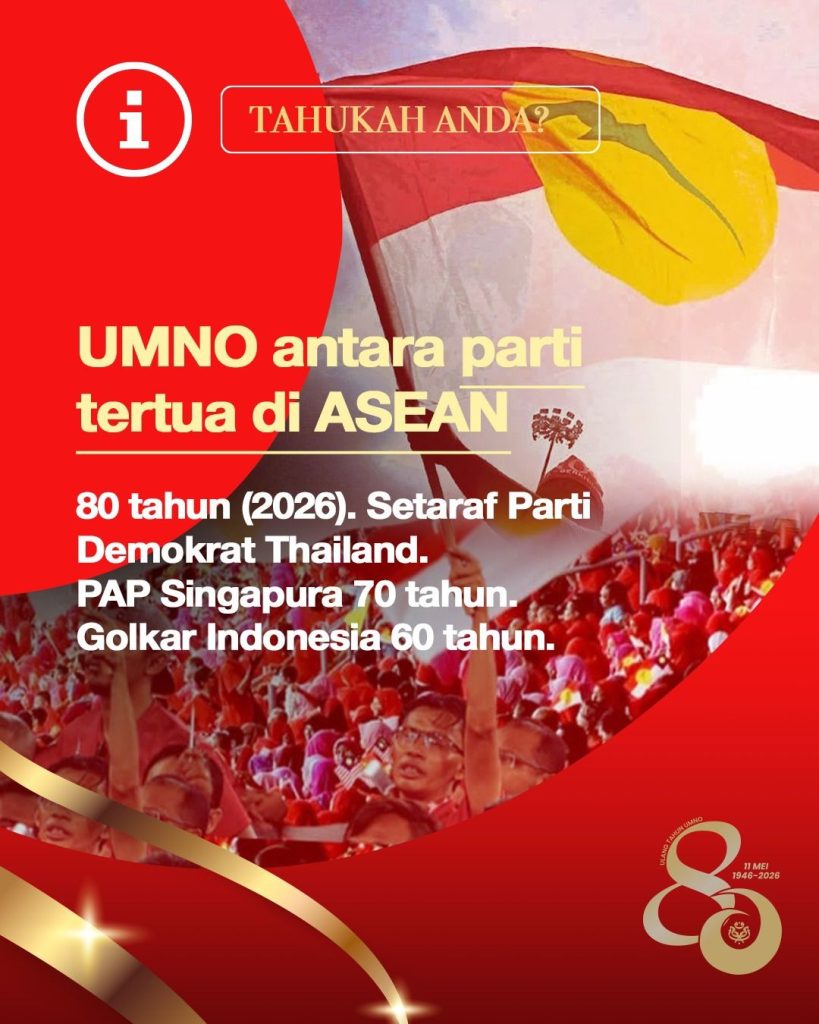
KUALA LUMPUR, April 10 -- UMNO president Datuk Seri Dr Ahmad Zahid Hamidi said UMNO, which is approaching its 80th anniversary, remains one of the oldest political parties in the Southeast Asian (ASEAN) region, with a legacy of struggle that reflects resilience and a key role in national development. The Deputy Prime Minister said that throughout its long history, UMNO has undergone various phases of struggle and shifts in the political landscape, reflecting its experience, resilience and key role in national development. "As time passes, efforts to produce capable leaders are very important to ensure the continuity of the struggle and remain relevant in the future," he posted on Facebook today. Ahmad Zahid, who is also Barisan Nasional (BN) chairman, posted this in conjunction with UMNO's 80th anniversary. According to the post, UMNO, which was founded in 1946, will reach eight decades this year, putting it on par with several long-established political parties in ASEAN, including Thailand's Democrat Party, as well as Singapore's People's Action Party, which is 70 years old, and Indonesia's Golkar Party, which is 60 years old.

KUALA LUMPUR, April 10 — UMNO president Datuk Seri Dr Ahmad Zahid Hamidi said UMNO, which is approaching its 80th anniversary, remains one of the oldest political parties in the Southeast Asian (ASEAN) region, with a legacy of struggle that reflects resilience and a key role in national development. The Deputy Prime Minister said that […]