TOKYO, June 10 — Prime Minister Datuk Seri Anwar Ibrahim has urged nations to strengthen dialogue, cooperation and institutional reform to address growing global uncertainties, warning against allowing international affairs to be dictated solely by power politics and geopolitical rivalries. Speaking at the Nikkei Future of Asia Conference in Tokyo on Wednesday, Anwar said the world faces a complex landscape shaped by conflicts, strategic competition, economic fragmentation and rapid technological advancements. Drawing an analogy from ancient seafarers, Anwar said while sailors of old could neither predict every storm nor control ocean currents, they succeeded because they possessed a clear sense of direction. "The challenge before us is not merely to navigate uncertainty, but to shape a more stable, just and cooperative international order," he said. The Prime Minister stressed that Asia's remarkable economic growth was built on the foundations of openness, trade, investment and regional cooperation. However, he noted that the institutions and frameworks that have supported decades of prosperity are increasingly under pressure from evolving global realities. According to Anwar, countries should neither abandon these institutions nor preserve them without change, but instead reform and renew them to remain relevant and effective. As a middle power, he said Malaysia remains committed to building bridges between nations and fostering consensus in an increasingly fragmented world. "In a world that is becoming more divided, dialogue, cooperation and mutual respect remain indispensable," he said. Anwar also highlighted the transformative potential of artificial intelligence (AI), while cautioning that technological progress must remain people-centred and inclusive. He stressed that developing nations should be given a meaningful role in shaping global AI governance frameworks to ensure innovation benefits societies broadly rather than deepening inequalities. The Prime Minister said ASEAN's longstanding commitment to inclusion, dialogue and cooperation remains crucial in addressing emerging challenges and opportunities. He added that these principles continue to guide Malaysia's partnerships across the region, including with Japan, particularly in strategic sectors such as semiconductors, energy transition, digital technologies and artificial intelligence. Anwar expressed confidence that the international community can overcome present challenges by embracing cooperation and institutional renewal. "Our world today does not suffer from a shortage of power, but a shortage of clarity — clarity that cooperation is preferable to division, that institutions must be renewed rather than abandoned, and that leadership requires initiative, not resignation," he said. He added that with such principles guiding global action, today's challenges can be transformed into tomorrow's opportunities. -- MINUTESMY -- SOURCE: FB ANWAR IBRAHIM

PM Anwar Calls for Greater Global Cooperation Amid Rising Geopolitical and Technological Challenges

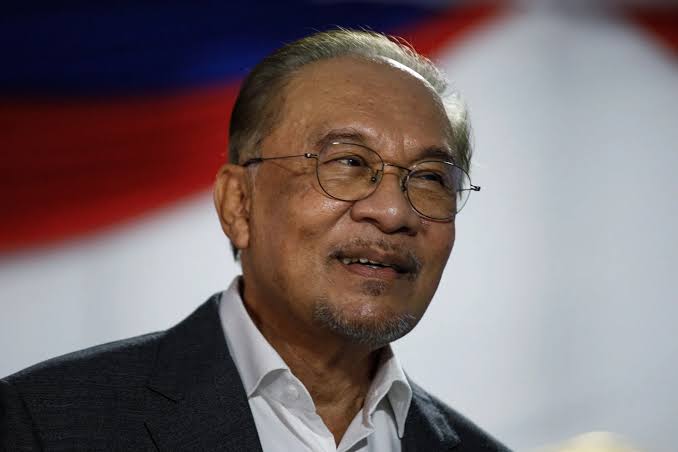
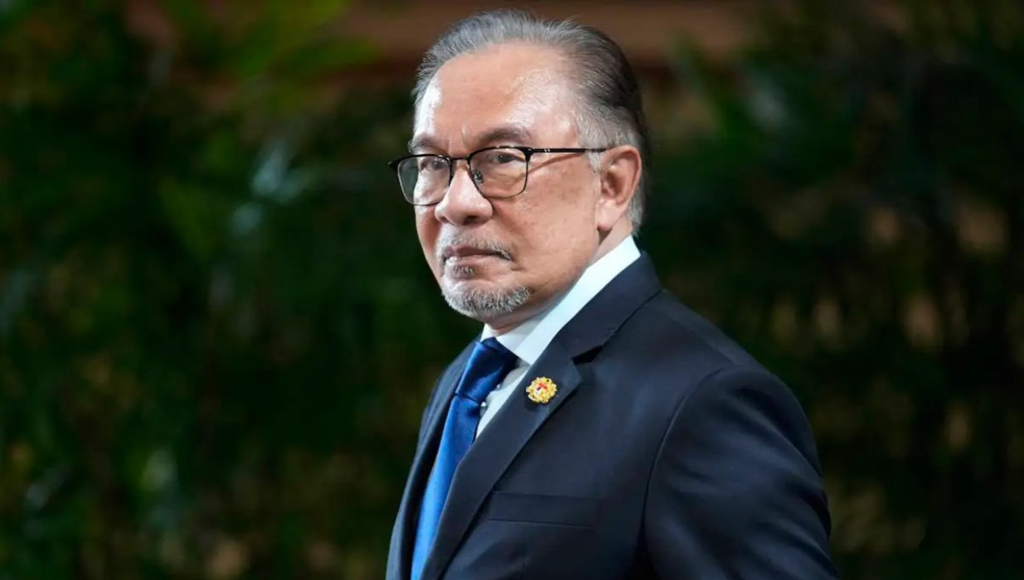
TOKYO, June 10 — Prime Minister Datuk Seri Anwar Ibrahim has urged nations to strengthen dialogue, cooperation and institutional reform to address growing global uncertainties, warning against allowing international affairs to be dictated solely by power politics and geopolitical rivalries.

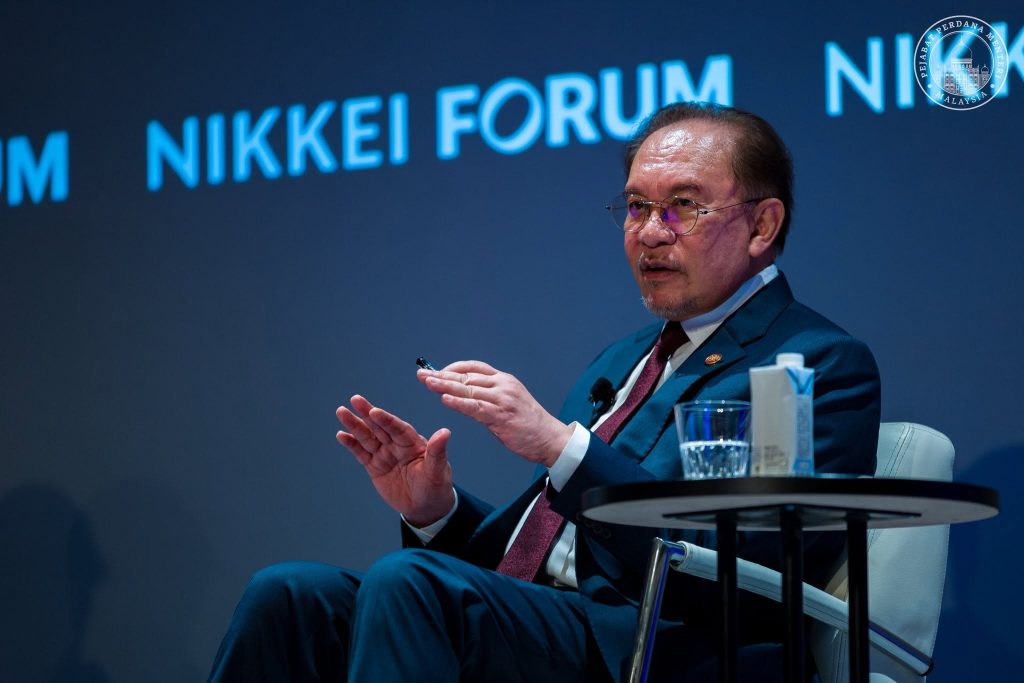
Speaking at the Nikkei Future of Asia Conference in Tokyo on Wednesday, Anwar said the world faces a complex landscape shaped by conflicts, strategic competition, economic fragmentation and rapid technological advancements.

Drawing an analogy from ancient seafarers, Anwar said while sailors of old could neither predict every storm nor control ocean currents, they succeeded because they possessed a clear sense of direction.

“The challenge before us is not merely to navigate uncertainty, but to shape a more stable, just and cooperative international order,” he said.

The Prime Minister stressed that Asia’s remarkable economic growth was built on the foundations of openness, trade, investment and regional cooperation. However, he noted that the institutions and frameworks that have supported decades of prosperity are increasingly under pressure from evolving global realities.

According to Anwar, countries should neither abandon these institutions nor preserve them without change, but instead reform and renew them to remain relevant and effective.

As a middle power, he said Malaysia remains committed to building bridges between nations and fostering consensus in an increasingly fragmented world.

“In a world that is becoming more divided, dialogue, cooperation and mutual respect remain indispensable,” he said.

Anwar also highlighted the transformative potential of artificial intelligence (AI), while cautioning that technological progress must remain people-centred and inclusive.

He stressed that developing nations should be given a meaningful role in shaping global AI governance frameworks to ensure innovation benefits societies broadly rather than deepening inequalities.

The Prime Minister said ASEAN’s longstanding commitment to inclusion, dialogue and cooperation remains crucial in addressing emerging challenges and opportunities.

He added that these principles continue to guide Malaysia’s partnerships across the region, including with Japan, particularly in strategic sectors such as semiconductors, energy transition, digital technologies and artificial intelligence.

Anwar expressed confidence that the international community can overcome present challenges by embracing cooperation and institutional renewal.

“Our world today does not suffer from a shortage of power, but a shortage of clarity — clarity that cooperation is preferable to division, that institutions must be renewed rather than abandoned, and that leadership requires initiative, not resignation,” he said.

He added that with such principles guiding global action, today’s challenges can be transformed into tomorrow’s opportunities.

— MINUTESMY
— SOURCE: FB ANWAR IBRAHIM

Related News