PM Anwar Chairs National Economic Action Council Meeting, Stresses Food Security, Refugee Enforcement and Manufacturing Resilience
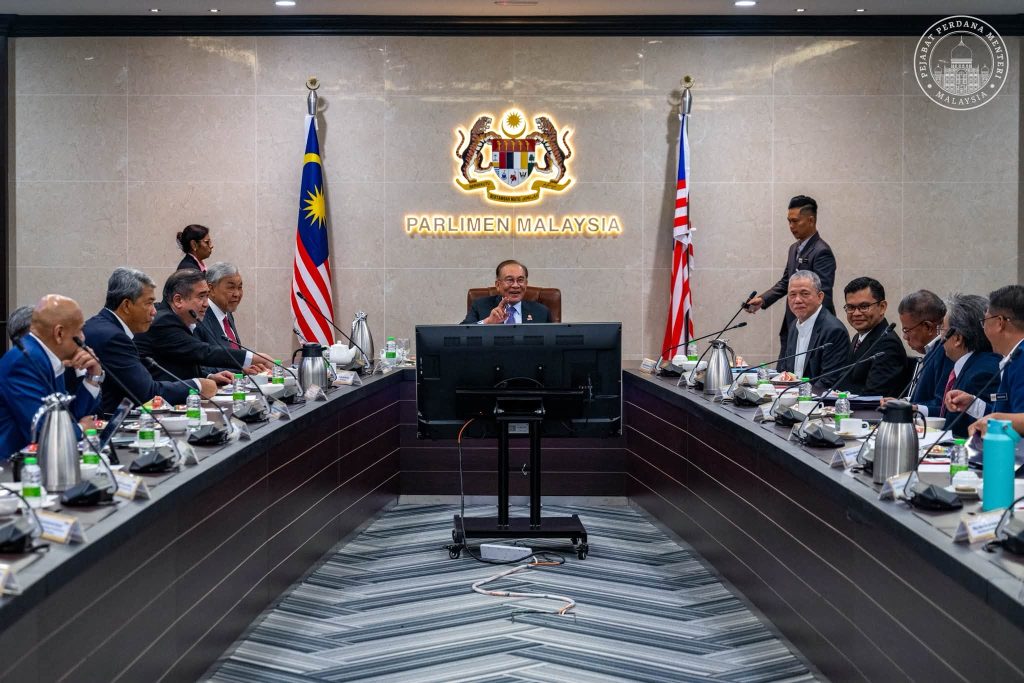
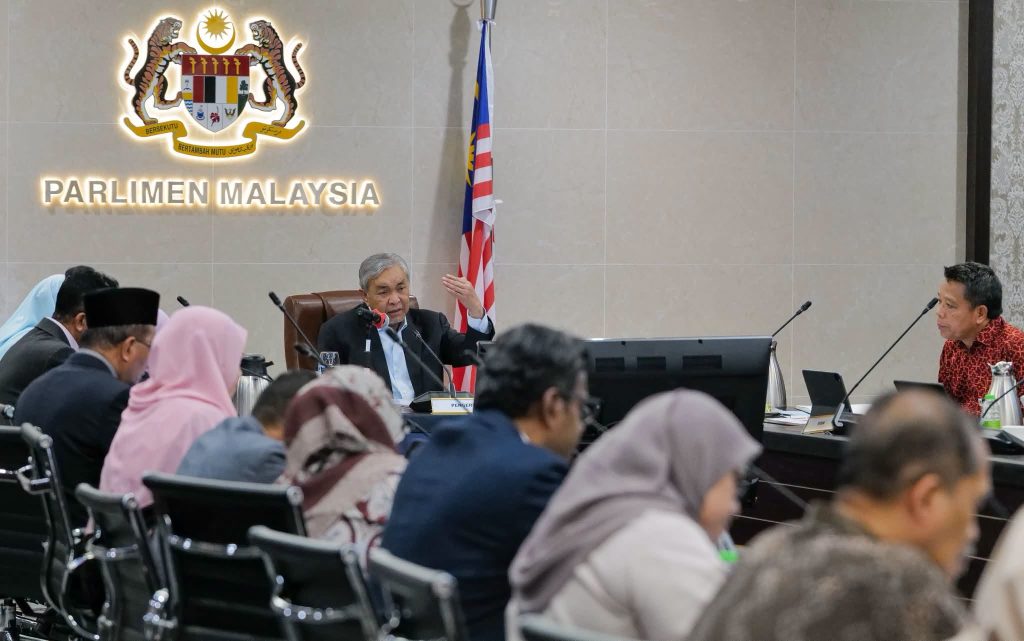
KUALA LUMPUR, July 14 — Prime Minister Datuk Seri Anwar Ibrahim chaired the National Economic Action Council (MTEN) meeting on Monday, where the government reviewed Malaysia's food security, refugee management, and measures to strengthen the country's manufacturing sector amid ongoing global supply chain challenges. Anwar said the meeting was informed that the country's supply of staple food remains stable and sufficient, with the government committed to ensuring continuous food security, maintaining affordable food prices, and safeguarding the welfare of paddy farmers and local food producers. He stressed that ensuring a secure and sustainable food supply remains a key priority under the MADANI Government as it continues efforts to strengthen the nation's food ecosystem. The meeting also focused on the management of refugees, an issue that has attracted increasing public attention. Anwar said the government is implementing a more systematic refugee registration process while leveraging technology and data analytics to combat smuggling, human trafficking, document fraud, and illegal border crossings. He reaffirmed the government's firm stance that no refugee is exempt from Malaysian law, including holders of United Nations High Commissioner for Refugees (UNHCR) cards. "Refugees who commit criminal offences have already been prosecuted, and enforcement actions will continue without compromise in accordance with the country's laws," Anwar said. On the economic front, MTEN reviewed strategies to enhance the resilience of Malaysia's manufacturing sector, which continues to face pressures arising from disruptions in global supply chains. Among the industries highlighted was the plastics sector, which plays a critical supporting role in several strategic industries, including food packaging, electrical and electronics, automotive manufacturing, and medical devices. Anwar said the government takes seriously the concerns raised by industry players regarding rising operational costs and current market challenges. He has instructed the Ministry of Investment, Trade and Industry (MITI), together with the Ministry of Economy, to conduct further engagement sessions with industry stakeholders to formulate practical solutions aimed at easing cost pressures while ensuring the long-term competitiveness and resilience of Malaysia's manufacturing ecosystem. The Prime Minister reiterated that the MADANI Government remains committed to balancing economic growth, national security, and the well-being of the people through coordinated policy implementation and effective governance. -- MINUTESMY

KUALA LUMPUR, July 14 — Prime Minister Datuk Seri Anwar Ibrahim chaired the National Economic Action Council (MTEN) meeting on Monday, where the government reviewed Malaysia’s food security, refugee management, and measures to strengthen the country’s manufacturing sector amid ongoing global supply chain challenges. Anwar said the meeting was informed that the country’s supply of […]

Moderate Earthquake Hits Mindanao, Philippines
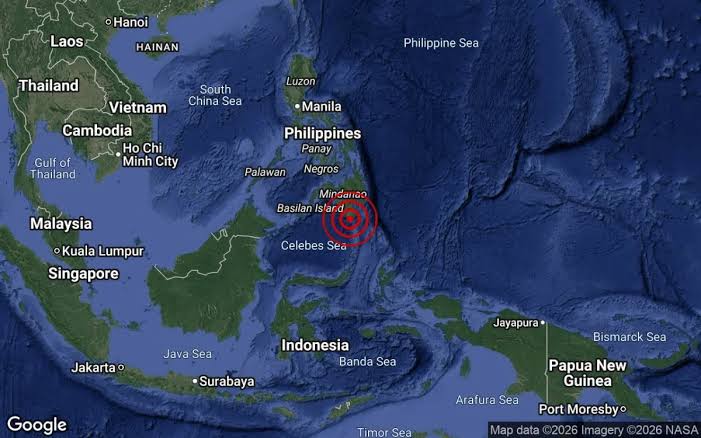
KUALA LUMPUR, July 6 -- A moderate earthquake, with a magnitude of 5.7, struck the Mindanao region of the Philippines at 4.11 pm today. The Malaysian Meteorological Department (MetMalaysia) in a statement said that the earthquake occurred at a depth of 10 kilometres (km), 171 km south of Koronadal City, Philippines. However, there is no tsunami threat to Malaysia. -- BERNAMA 

KUALA LUMPUR, July 6 — A moderate earthquake, with a magnitude of 5.7, struck the Mindanao region of the Philippines at 4.11 pm today. The Malaysian Meteorological Department (MetMalaysia) in a statement said that the earthquake occurred at a depth of 10 kilometres (km), 171 km south of Koronadal City, Philippines. However, there is no […]

Bumiputera Empowerment Must Be a National Agenda Across All Government Agencies – PM Anwar
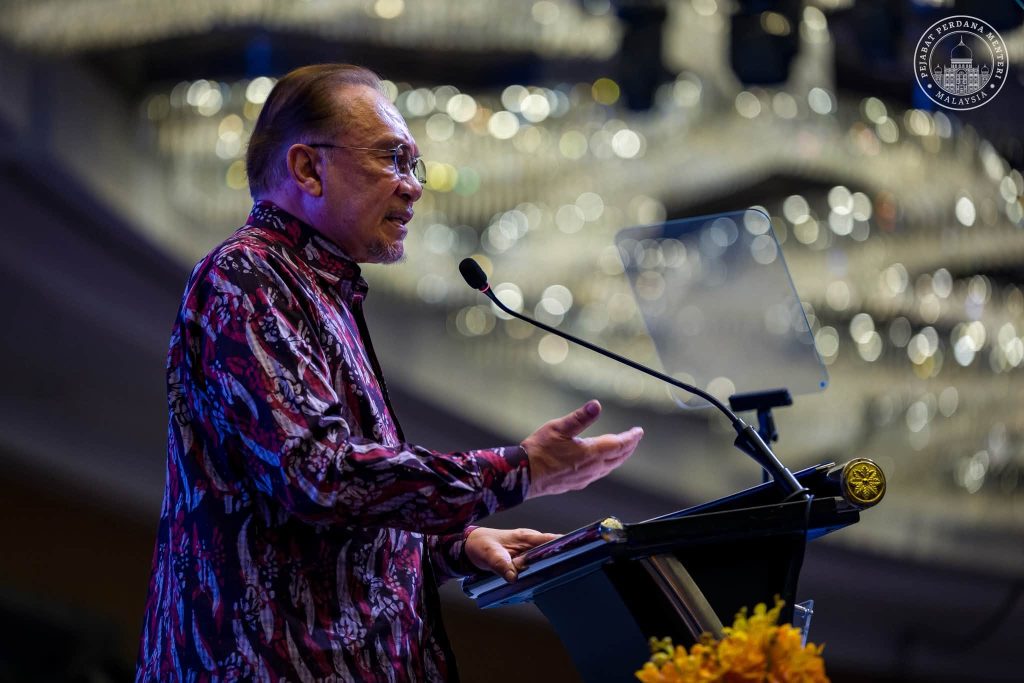
PUTRAJAYA, July 4 – Prime Minister Datuk Seri Anwar Ibrahim has stressed that the Bumiputera empowerment agenda must no longer be viewed as the responsibility of a handful of agencies, but instead become a national priority embraced by every ministry, government agency and government-linked company (GLC). Speaking while officiating the SPaRK 2026: Business Transformation programme organised by Perbadanan Usahawan Nasional Bhd (PUNB) today, Anwar said all government institutions must align their policies and programmes to ensure the Bumiputera development agenda is implemented comprehensively. He said the MADANI Government has introduced the Bumiputera Economic Transformation Plan 2035 (PuTERA35) as a long-term roadmap, with implementation closely monitored through regular progress reports submitted by ministries and agencies. "Every MADANI Government agency has a responsibility to implement national policies that not only drive economic growth but also ensure fair and equitable distribution of opportunities and wealth," he said. Anwar, who also serves as Finance Minister, emphasised that the government has no intention of establishing a new Bumiputera agency, preferring instead to strengthen existing institutions to improve policy implementation and avoid overlapping responsibilities. He noted that relying on outdated approaches while expecting different outcomes would not produce meaningful progress. "For that reason, I am not inclined to establish a new Bumiputera agency. Our focus is on empowering the institutions we already have and ensuring every ministry and agency plays its role effectively," he said. The Prime Minister also reaffirmed the government's commitment to driving Malaysia's economic transformation while ensuring that prosperity is shared fairly across all segments of society. He said the government remains committed to accelerating growth in high-value sectors such as artificial intelligence (AI), quantum computing, the digital economy and the energy transition, while ensuring that the benefits of development reach those who need them most. According to Anwar, the MADANI Government is pursuing a balanced strategy of "raising the ceiling" to strengthen Malaysia's global economic competitiveness, while simultaneously "raising the floor" to provide greater support and opportunities for lower-income communities. He said this inclusive approach reflects the government's commitment to building a stronger economy that delivers sustainable and equitable prosperity for all Malaysians. -- MINUTESMY

PUTRAJAYA, July 4 – Prime Minister Datuk Seri Anwar Ibrahim has stressed that the Bumiputera empowerment agenda must no longer be viewed as the responsibility of a handful of agencies, but instead become a national priority embraced by every ministry, government agency and government-linked company (GLC). Speaking while officiating the SPaRK 2026: Business Transformation programme […]

Johor Must Move Forward with MADANI Government for Greater Development – Datuk Seri Ramanan
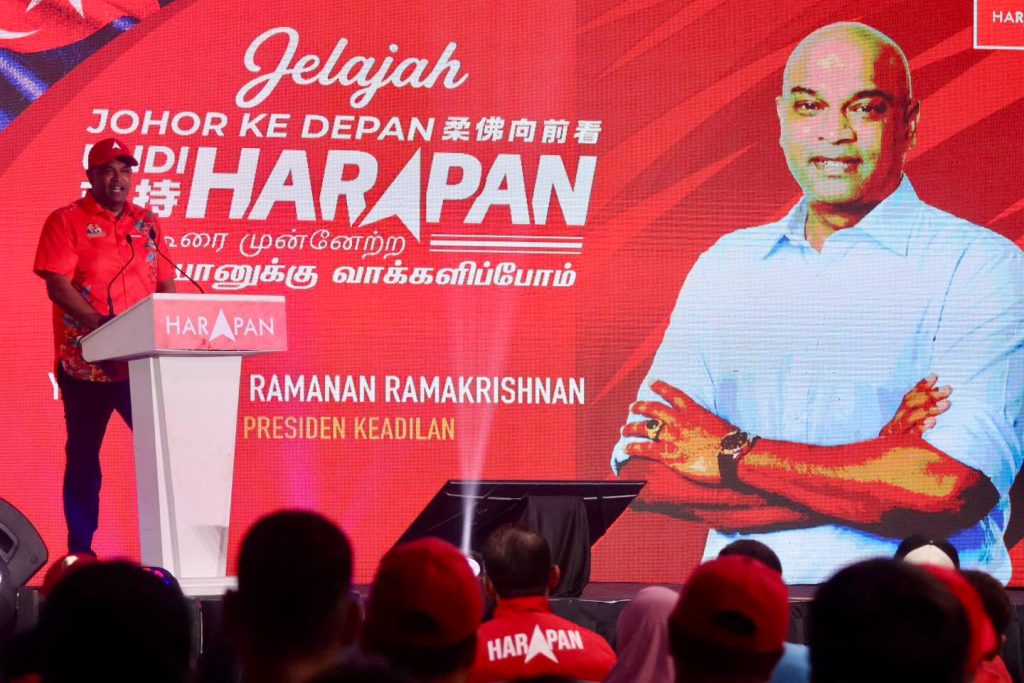
SIMPANG RENGGAM, July 4 – Minister of Human Resources Datuk Seri R. Ramanan said Johor's future development depends on strong cooperation between the state and federal governments under the MADANI administration to unlock the state's full economic potential. Speaking during the Johor Ke Depan Tour: Undi Harapan programme in Simpang Renggam, Ramanan said Johor possesses tremendous potential to become one of Malaysia's most developed and competitive states, provided both levels of government work closely to accelerate growth and deliver tangible benefits to the people. He highlighted that the MADANI Government has demonstrated its commitment to Johor through key initiatives, including the Johor-Singapore Special Economic Zone (JS-SEZ), expanded social protection measures, the strengthening of Technical and Vocational Education and Training (TVET), entrepreneur development programmes, and various people-centric initiatives aimed at improving livelihoods. Ramanan also addressed issues raised by local residents, including employment opportunities, basic infrastructure, internet connectivity, public safety and balanced local development, stressing that continuous efforts are needed to ensure no community is left behind in the state's progress. He expressed his appreciation to the residents of Simpang Renggam for their warm reception and strong support, describing their enthusiasm and confidence as motivation for Pakatan Harapan to continue working towards a more advanced, prosperous and inclusive Johor. "The future of Johor lies in continued collaboration with the MADANI Government to ensure sustainable development and shared prosperity for all," he said. -- MINUTESMY

SIMPANG RENGGAM, July 4 – Minister of Human Resources Datuk Seri R. Ramanan said Johor’s future development depends on strong cooperation between the state and federal governments under the MADANI administration to unlock the state’s full economic potential. Speaking during the Johor Ke Depan Tour: Undi Harapan programme in Simpang Renggam, Ramanan said Johor possesses […]

Johor Polls: PH-led Gov’ts Deliver Strong Economic Growth – Amirudin
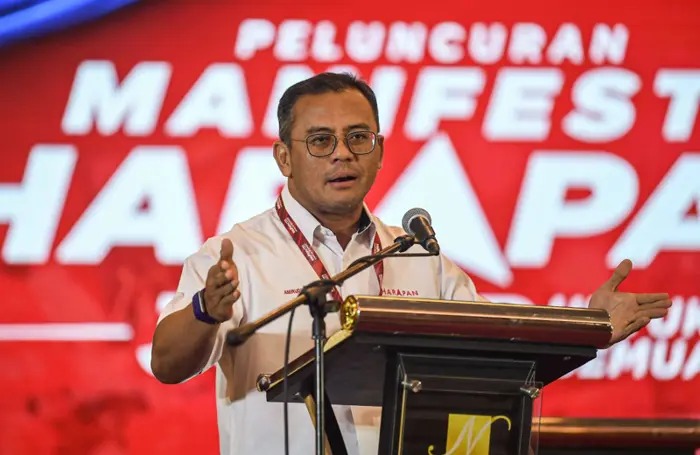
JOHOR BAHRU, July 3 — The Federal government, together with the Penang and Selangor state governments, has demonstrated the strength of Pakatan Harapan’s (PH) leadership by delivering robust economic growth, said PH Presidential Council member Datuk Seri Amirudin Shari. Amirudin, who is also Selangor Menteri Besar, said the MADANI Government led by PH and its […]

BUDI Diesel Expected To Reduce Leakages, Ensure Targeted Distribution To Elegible Groups

KUALA LUMPUR, July 3 -- The implementation of the BUDI MADANI Diesel (BUDI Diesel) initiative, which provides diesel at RM2.10 per litre through the MyKad verification mechanism from July 1, is expected to reduce subsidy leakages while ensuring government assistance reaches those who genuinely need it. Putra Business School (PBS) economic analyst Associate Professor Dr Ahmed Razman Abdul Latiff said a targeted subsidy mechanism is more sustainable than blanket subsidies as it enables the government to channel assistance more accurately to eligible groups. “Through the targeted price subsidy approach, those who depend on diesel for work or business, including operators of diesel-powered machinery and equipment, can directly benefit from lower operating costs,” he told Bernama. He explained that targeted fuel subsidies serve a different purpose from direct cash assistance. While cash aid provides households with greater flexibility in managing daily expenses, fuel subsidies help contain production, logistics and transportation costs. However, Ahmed Razman said the success of the BUDI Diesel initiative depends on the accuracy of recipient data and the technological capacity to support the distribution system, particularly in rural areas with limited internet connectivity. “The key challenge is ensuring that the database of eligible recipients is continuously updated to avoid complaints from those who may be left out. A transparent and efficient feedback and appeal mechanism is also essential because the effectiveness of the BUDI Diesel programme depends on accurate data,” he said. He added that targeted subsidies could also ease the government's fiscal burden by limiting benefits to eligible recipients and preventing higher-income groups and foreign nationals from enjoying subsidised fuel. “The savings generated can be redirected to high-impact sectors such as education, healthcare, public transport and infrastructure. The success of this approach can be measured through controlled inflation and a more manageable cost of living,” he said. Meanwhile, Bank Muamalat Malaysia Bhd chief economist Dr Mohd Afzanizam Abdul Rashid described the use of MyKad as the primary verification mechanism for subsidy distribution as a systematic and proven approach. We have already seen this mechanism successfully implemented for RON95 fuel. Applying the same approach to diesel is expected to generate savings of about RM2 billion while ensuring the subsidy is distributed in a more targeted and efficient manner,” he said. He said efforts to curb fuel smuggling and subsidy abuse would enable the government to manage subsidy expenditure more effectively and sustainably. “If fuel prices remain stable and the economy continues to grow, the government could eventually consider distributing subsidies based on income levels, further reducing future fuel subsidy expenditure,” he said. Mohd Afzanizam also stressed that fuel subsidies should be viewed as a temporary measure and called for the transition to electric vehicles (EVs) to be accelerated as part of Malaysia's green mobility agenda. “The shift to EVs must continue. To support this transition, charging infrastructure needs to be expanded and fast-charging technology further developed to address range anxiety,” he said. Meanwhile, the Muslim Consumers Association of Malaysia (PPIM) urged the Ministry of Domestic Trade and Cost of Living (KPDN) to strengthen enforcement to prevent traders from exploiting the implementation of the BUDI Diesel initiative by imposing unjustified price increases. Its chief activist, Datuk Nadzim Johan, said changes in fuel prices often trigger a chain reaction that drives up the prices of goods and services, ultimately burdening consumers. “When diesel prices increase, the prices of many other goods tend to rise as well. Once prices go up, they rarely come down. Therefore, strict enforcement is essential to prevent irresponsible parties from taking advantage of the situation,” he said. He also encouraged consumers to act as the government's eyes and ears by reporting unreasonable price increases, accompanied by supporting evidence such as purchase receipts and location. Besides monitoring prices, Nadzim urged the government to tighten controls on imported products to protect local producers and introduce policies to reduce food waste, including promoting the use of retort packaging technology to strengthen the country's food security. -- BERNAMA 

KUALA LUMPUR, July 3 — The implementation of the BUDI MADANI Diesel (BUDI Diesel) initiative, which provides diesel at RM2.10 per litre through the MyKad verification mechanism from July 1, is expected to reduce subsidy leakages while ensuring government assistance reaches those who genuinely need it. Putra Business School (PBS) economic analyst Associate Professor Dr […]

Royal Malaysian Navy Strengthens Community Ties Through Conservation and Welfare Initiative
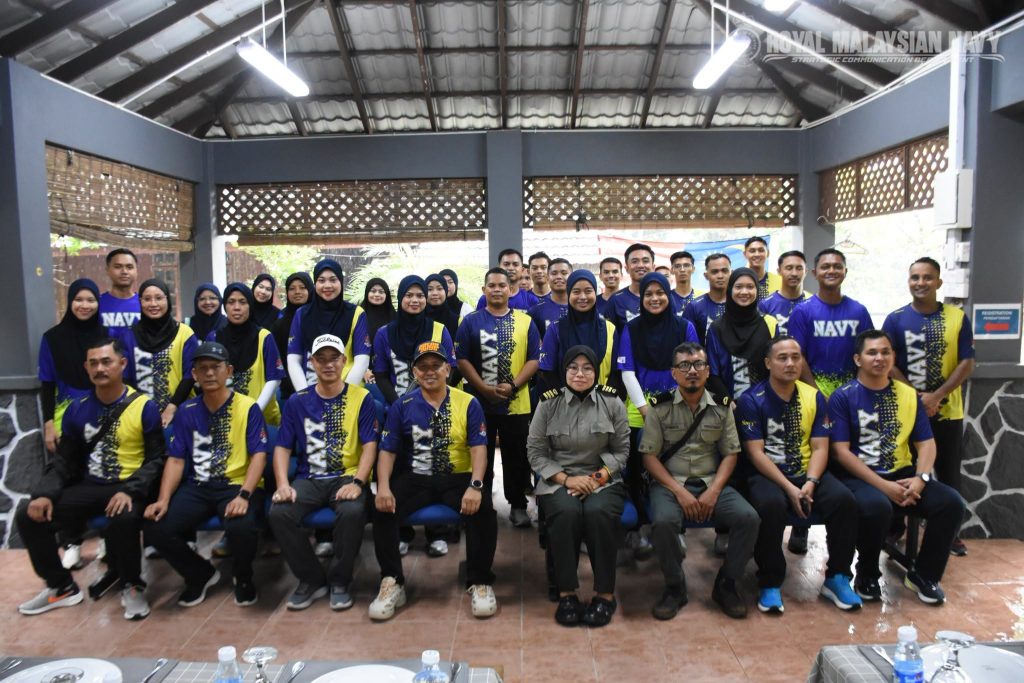
KUALA LUMPUR, June 2 — The Royal Malaysian Navy (TLDM) reaffirmed its commitment to environmental conservation and community development through the Navy People in MADANI Pure Souls Programme Series 2/2026, held at Sungai Tekala Eco Jungle Park and Sungai Lalang Baru Indigenous Village. Organised in collaboration with the Department of Indigenous People's Development (JAKOA), the Department of Islamic Development Malaysia (JAKIM), and the Forestry Department, the programme featured a range of community-focused activities, including the distribution of essential food supplies, river-cleaning efforts, and the restoration of public facilities such as football fields to enhance the quality of life for local residents. As a symbolic gesture of support, the Assistant Chief of Staff of the Secretariat, First Admiral Ismail bin Othman, presented food aid to representatives of the Indigenous community, reflecting the Navy's continued commitment to the welfare and wellbeing of local communities. The initiative underscores the Royal Malaysian Navy's dedication to fostering stronger ties with communities through volunteerism, environmental stewardship, and social responsibility, while promoting sustainable development and collective efforts to preserve the nation's natural heritage.     -- Source: Kementerian Pertahanan Malaysia -- Credit FB: Kementerian Pertahanan Malaysia  -- MINUTESMY 

KUALA LUMPUR, July 2 — The Royal Malaysian Navy (TLDM) reaffirmed its commitment to environmental conservation and community development through the Navy People in MADANI Pure Souls Programme Series 2/2026, held at Sungai Tekala Eco Jungle Park and Sungai Lalang Baru Indigenous Village. Organised in collaboration with the Department of Indigenous People’s Development (JAKOA), the Department […]

PM Anwar Chairs National Education Council Meeting, Calls for Bold Reforms to Future-Proof Malaysia’s Education System

PUTRAJAYA, July 1 — Prime Minister Anwar Ibrahim yesterday chaired the first National Education Council (MPN) Meeting for 2026, reaffirming the government's commitment to implementing bold and meaningful reforms to strengthen Malaysia's education system from schools to higher education. During the meeting, discussions centred on improving the quality of education at the district level, strengthening the Bumiputera education agenda, and developing a comprehensive STEM (Science, Technology, Engineering and Mathematics) talent pipeline to meet the nation's future workforce demands. Anwar said the National Education Council was established not merely to make incremental adjustments but to drive transformative changes that would ensure Malaysia's education system remains relevant in an increasingly competitive and rapidly evolving global landscape. He stressed that education reforms must include continuous improvements to educational content and curriculum while enhancing English language proficiency as a second language, without compromising the importance of the national language, cultural values, moral education and the principles of Malaysia MADANI. "The National Education Council was created not merely to make adjustments, but to drive bold and meaningful changes so that our education system remains relevant to the demands of the times," he said. Anwar added that the government remains committed to objectively evaluating the country's education system by taking into account the views, expertise and recommendations of educators, academics, industry players and other stakeholders. He said such an inclusive approach would ensure that every policy and initiative undertaken genuinely prepares future generations with the knowledge, skills and values needed to navigate future challenges. The Prime Minister also cautioned against complacency, saying that satisfaction with the existing education system should never become an obstacle to national progress. Instead, he urged all stakeholders to embrace change, foster innovation and work collectively to elevate the quality of Malaysia's education system to greater heights. The meeting reflects the MADANI Government's ongoing commitment to building a future-ready education ecosystem capable of producing highly skilled, competitive and values-driven Malaysians. -- MINUTESMY -- SOURCE: FB ANWAR IBRAHIM

PUTRAJAYA, July 1 — Prime Minister Anwar Ibrahim yesterday chaired the first National Education Council (MPN) Meeting for 2026, reaffirming the government’s commitment to implementing bold and meaningful reforms to strengthen Malaysia’s education system from schools to higher education. During the meeting, discussions centred on improving the quality of education at the district level, strengthening […]

KPKT Allocates RM216.44 Mln To Boost Development, Public Well-being In Johor

JOHOR BAHRU, June 25 -- The Ministry of Housing and Local Government (KPKT) has allocated RM216.44 million to Johor to boost housing development, public amenities, and community welfare. The minister, Nga Kor Ming, said the funds were allocated under the ministry’s development programme as part of the first rolling plan of the 13th Malaysia Plan. He said the funding covers several strategic initiatives, including affordable housing projects, the maintenance of stratified homes, public amenities, community safety, solid waste management, and urban and rural development. "This RM216.44 million allocation proves the MADANI Government's continuous commitment to ensuring the people of Johor enjoy access to quality housing, comfortable public amenities, and a more sustainable, prosperous living environment. "To give an example, this flat (Flat Taman Ungku Tun Aminah) is 41 years old and is the largest in Johor, with over 80 blocks. Today, through our community outreach programme, we are beginning renovation works on the first 10 blocks,” he said at the media conference for KPKT’s Sentuhan Kasih Programme 4.0, at Flat Taman Ungku Tun Aminah, Skudai, today. Nga said the majority of the funds would be used to advance the public housing agenda through various initiatives, including Rumah Malaysia, the People's Housing Project (PPR), the People's Residency Programme (PRR), and the MADANI Inclusive Housing Development (PIM). Additionally, the funds will be used to upgrade public infrastructure, including markets, MADANI stalls, drainage systems, public toilets, recreational parks, fire stations, and residential areas. To reinforce the sustainable development agenda, he said allocations were also channelled toward solid waste management projects, the safe closure of landfills, and the implementation of public landscaping projects. "The ministry is also continuing the Urban Housing Refurbishment Programme, the Non-Muslim Houses of Worship Maintenance Initiative, and New Village Development Projects, which aim to improve the welfare of those in need and strengthen community unity," he said. Nga said the ministry would continue to strengthen its strategic cooperation with the Johor state government and local authorities to ensure all projects are executed efficiently, transparently, and with high impact. -- BERNAMA 

JOHOR BAHRU, June 25 — The Ministry of Housing and Local Government (KPKT) has allocated RM216.44 million to Johor to boost housing development, public amenities, and community welfare. The minister, Nga Kor Ming, said the funds were allocated under the ministry’s development programme as part of the first rolling plan of the 13th Malaysia Plan. […]